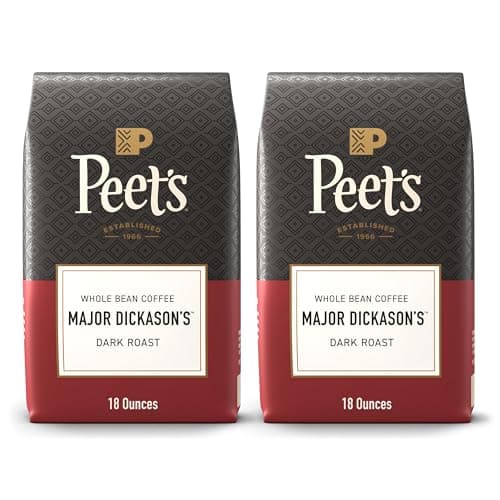
Your everyday bean is the one you reach for on autopilot, so it should be reliable, taste good in whatever you brew, and not cost a fortune. This list is ranked for exactly that — the bags that earn a permanent spot on the counter — starting with a widely loved dark roast and moving through the specialty, organic and high-caffeine picks for people who want something more specific.
The honest headline is the same as it is for espresso: freshness beats brand. A roast date within the last few weeks does more for your cup than any logo, and most supermarket bags print only a “best by” date, so you rarely know a bag’s age — we note which of these actually date their bags. Beyond that it comes down to roast level and priorities: bold and dark, bright and specialty, organic and ethically sourced, or low-acid for a sensitive stomach. Grind fresh whatever you pick — a burr grinder is the biggest upgrade most home brewers can make. If you specifically want beans for pulling shots, see our best espresso beans instead, and if you would rather settle on one roaster than one bag, our best coffee brands ranking compares them on roast-date honesty, range and price per pound.
How to choose everyday coffee beans
An everyday bean does not need to be exotic — it needs to be fresh, suit your brewer and match your taste. Here is what actually matters.
Roast level and flavor
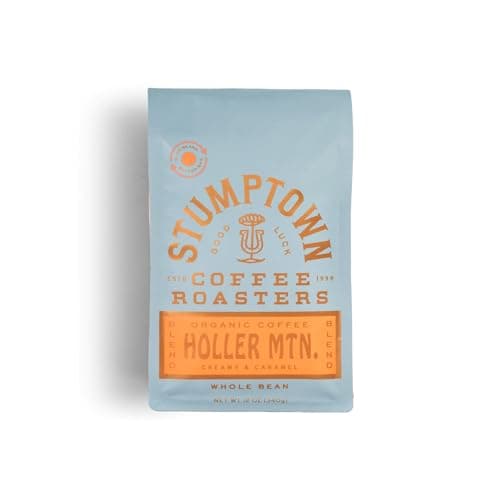
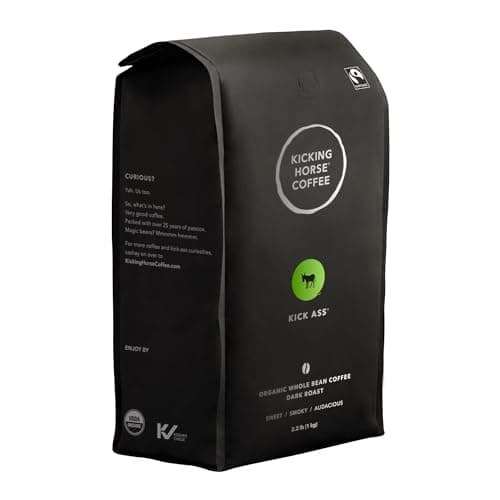
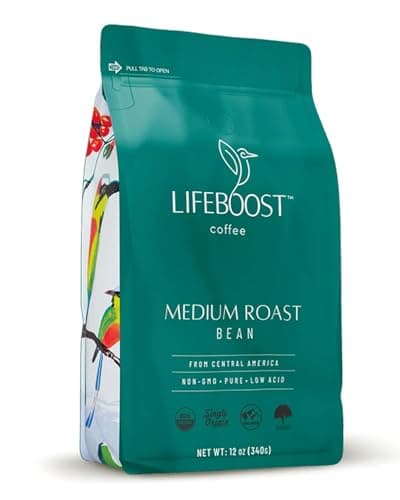
Roast level is the biggest lever on flavor. Dark roasts (Major Dickason’s, Kick Ass) are bold, smoky and low in perceived acidity; medium roasts (Holler Mountain, Lifeboost) keep more origin character, sweetness and brightness. Lighter roasts show the most fruit and acidity. None is objectively best — pick the style you actually enjoy drinking every morning, and do not assume “dark” means “strong,” because strength is really about the brew ratio, not the roast.
Freshness and the roast date
Freshness beats brand, full stop. Coffee is at its best from a few days to a few weeks after roasting. The problem is that most supermarket bags print only a “best by” date, which can be a year out and tells you nothing about age. Specialty roasters such as Stumptown print the roast date, which is why they rate higher here on freshness. Buy from a store with turnover, keep beans sealed and cool, and use a bag within a few weeks of opening.
Whole bean vs ground, and grinding
Buy whole bean and grind right before you brew. Ground coffee loses aroma within minutes and goes flat within days, so a whole-bean bag plus a burr grinder beats any pre-ground option on flavor. Match the grind to your brewer — coarse for a French press, medium for drip, finer for pour over. A burr grinder is the single upgrade that most improves everyday coffee.
Sourcing, organic and low-acid claims
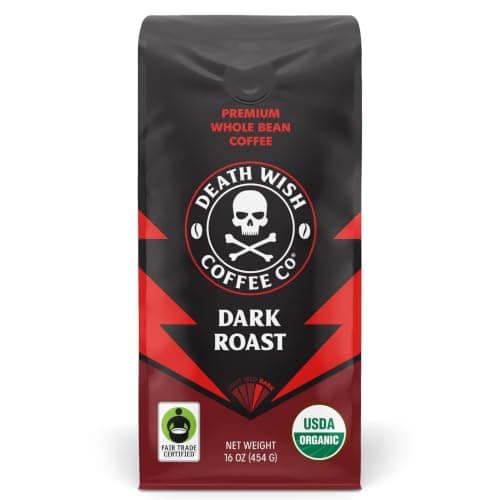
Certifications like organic and Fairtrade (Kick Ass, Death Wish) reflect how the coffee was grown and traded, not how it tastes — worth paying for if ethics matter to you. Low-acid claims (Lifeboost) can genuinely help sensitive stomachs, though a darker roast is a cheaper way to lower perceived acidity. Decide which of these you actually value rather than paying for a badge you do not need.
Brew method changes the answer
These picks are ranked on flavour, freshness policy and value as general-purpose beans. Immersion brewing is the one method where the shortlist genuinely shifts, because a French press extracts for four minutes at a coarse grind and rewards a different roast profile from a 25-second espresso or a three-minute pour-over. Those picks are on best coffee beans for French press.
How we picked
We did not lab-test this gear
Everyone in this category says they tested twenty machines. We have not lab-tested any of these, and we say so. What we did instead: compiled the published manufacturer specifications, read the manuals, ran the math where there was math to run (heat-up time, pressure, dose capacity, grind range, cost per cup), and scored each pick against a published rubric. The scores are judgments from documented research — not measurements we took, because we do not have a lab and we will not pretend we do. Where a number came from someone else's work, we name them in Sources.