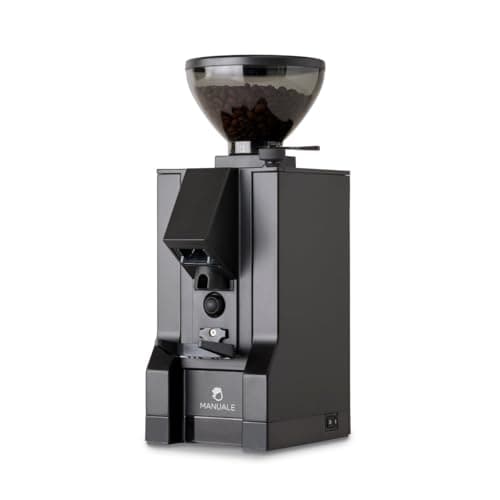
If you take one thing from this page: for espresso, the grinder matters more than the machine. Espresso is brewed at high pressure through a tightly packed puck, and tiny changes in particle size swing the shot from sour and gushing to bitter and choked. A great machine fed by a grinder that can’t adjust finely enough will never pull a great shot — so if your budget is split, protect the grinder.
Two specs separate an espresso grinder from a filter one. Fineness: it must reach genuinely fine, and hold that grind evenly. Precision: it needs small, repeatable steps between settings — ideally stepless micro-adjustment — so you can nudge the shot a hair finer without overshooting. Low retention helps too, so the dose you weigh in is the dose that comes out. If you’re still choosing the machine, see our best espresso machines; for a grinder that also handles filter, our best coffee grinders ranking is the wider view. New to the drink entirely? Start with what is espresso.
How to choose an espresso grinder
Espresso is unforgiving of the grinder, so weigh these three things above all.
Fineness and even particle size
An espresso grinder must reach a genuinely fine grind and hold it evenly across the dose. Too many large particles and water rushes through sour; too much dust and the puck chokes bitter. This is why filter-only grinders — even good ones — fall short here: they were never built to grind this fine consistently.
Adjustment precision: stepless beats stepped
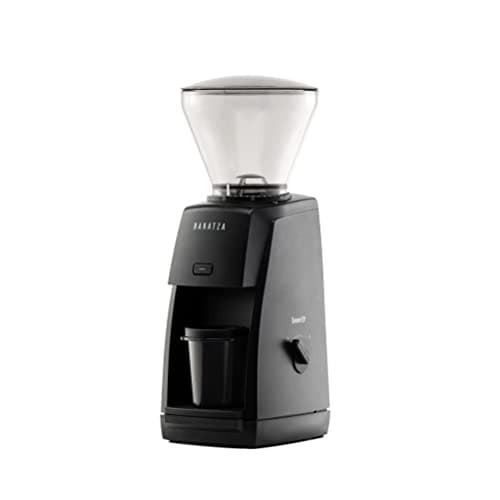
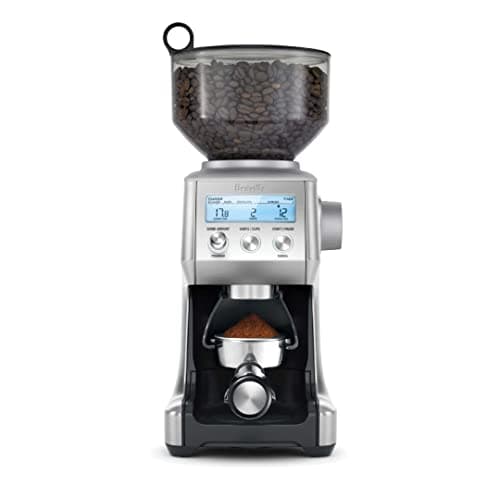
The difference between a good shot and a great one is often a hair of grind size. Stepless grinders (the Eureka Notte) let you rotate continuously and stop exactly where the shot tastes balanced. Stepped grinders (the Smart Grinder Pro, the Encore ESP) jump between fixed clicks, and sometimes one click runs too fast and the next too slow. Stepped grinders still make excellent espresso — stepless just gives you more room to dial in.
Retention and workflow
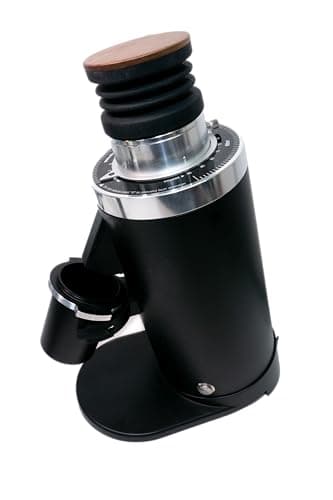
Retention is the coffee trapped inside after grinding. Single-dose grinders like the DF64 keep it near zero, so the dose you weigh in is the dose that comes out and beans stay fresh — at the cost of weighing each time. Hopper grinders are faster day to day but hold onto old grounds. A precise scale pays for itself either way, and once your grinder is sorted, the machine choice in our espresso machine ranking is the easier half of the setup.
If you already know which machine you are feeding
This ranking is machine-agnostic, and two machines come up often enough that the answer shifts. A grinderless Breville — a Bambino or Bambino Plus — has a 54mm basket and a more forgiving brew path, so the order changes and brand-matched dosing matters; we rank for that on best grinders for Breville espresso machines. The Gaggia Classic Pro is the opposite case: a 58mm commercial basket with no PID, where stepless fine adjustment is worth more than versatility, which is why it gets its own ranking on best grinder for the Gaggia Classic Pro.
If this is more grinder than you need yet
Espresso is the demanding case, and a grinder chosen for it will handle every other brew method comfortably. But if your espresso machine uses pressurized baskets, or you are buying the grinder before the machine, the entry end of this field sits inside a tighter budget than this page implies. The shortlist with a hard ceiling, still ranked espresso-capability first, is best coffee grinders under $200.
How we picked
We did not lab-test this gear
Everyone in this category says they tested twenty machines. We have not lab-tested any of these, and we say so. What we did instead: compiled the published manufacturer specifications, read the manuals, ran the math where there was math to run (heat-up time, pressure, dose capacity, grind range, cost per cup), and scored each pick against a published rubric. The scores are judgments from documented research — not measurements we took, because we do not have a lab and we will not pretend we do. Where a number came from someone else's work, we name them in Sources.