Skip to content
Tamp & Pour

Roundups & reviews · Coffee Makers

The best coffee makers under $100

Under $100 you are choosing between a machine that does the work and a brewer that makes better coffee. Here is the honest version of that trade, ranked, including what the bracket cannot buy at any price.

By Stephen V.Updated How we review
#ad

We earn a commission when you buy through our Amazon links, at no extra cost to you. It never changes a verdict, and we say so when the cheaper product is the better buy. How this works.

There are two completely different answers to “what is the best coffee maker under $100,” and which one is right for you depends on a question nobody asks first: do you want a machine that does the work, or a brewer that makes better coffee? Under $100 you cannot have both. Every electric drip and pod machine in this bracket buys its convenience by giving up control over the one thing that decides a cup, and every manual brewer in it gives you that control back in exchange for five minutes of your attention.

That is not a rhetorical framing. It is a direct consequence of what the bracket contains. The machines that hold the brew water in the 195–205°F window and saturate the grounds evenly — the ones that carry the Specialty Coffee Association’s certification, which is the only independent confirmation on the market that a drip machine brews correctly — start well above $100. We are not aware of a certified drip machine that sells for less, and none of the electric machines on this page publishes a brew temperature at all. Our main best coffee makers ranking is built around that certification precisely because it is the shortcut that works; under $100 the shortcut is simply not available, so this page ranks on different criteria.

How this page is ranked

Five criteria, applied in this order. They are the ones that still discriminate between products once certification is off the table.

  1. Does the design let you control extraction? A manual brewer puts grind, water temperature and contact time in your hands. An electric drip machine fixes all three at whatever the engineering happened to produce, and you cannot audit it.
  2. What does the coffee sit on after brewing? At this price a carafe is glass on a hot plate, which keeps coffee hot by continuing to cook it. Thermal carafes effectively do not exist under $100 on a programmable machine, and that single fact decides whether the second cup from a pot is worth drinking.
  3. Cost per cup over a year. Pods cost several times what loose grounds do per cup, and paper filters are a small but real consumable. A brewer with no consumable at all is cheaper to run than any machine here, and over a year the gap exceeds the purchase price difference.
  4. What does it force you to buy alongside it? A machine that only works well with a burr grinder is not really a $70 purchase. We say so for each pick.
  5. What it honestly cannot do. Every pick below gets a stated limit, not a hedge.

One thing is worth saying before the list, because it reorders everything: at this price the coffee matters more than the device. Fresh beans ground just before brewing will do more for your cup than any upgrade available inside this bracket, which is why a $25 dripper beats a $95 machine on taste and loses to it on convenience. If your plan is supermarket pre-ground coffee either way, buy for convenience and ignore the cup-quality rankings below — and read whole bean vs ground coffee to see what you are giving up.

The short answer

Quick picks

  • 01
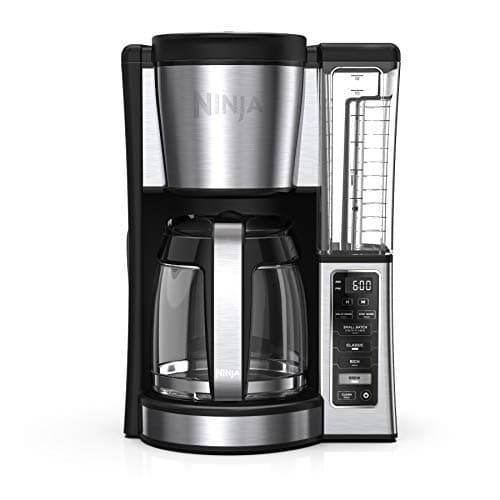
    Ninja Ninja Fresh Brew 12-Cup (CE251)
    Ninja Fresh Brew 12-Cup (CE251)

    The best machine answer in the bracket: a straightforward 12-cup programmable drip maker with a strength setting and a delay timer, which is the whole job most households want done.

    7.6Best overall under $100
  • 02
    Hamilton Beach Hamilton Beach 2-Way Programmable (49980RG)
    Hamilton Beach 2-Way Programmable (49980RG)

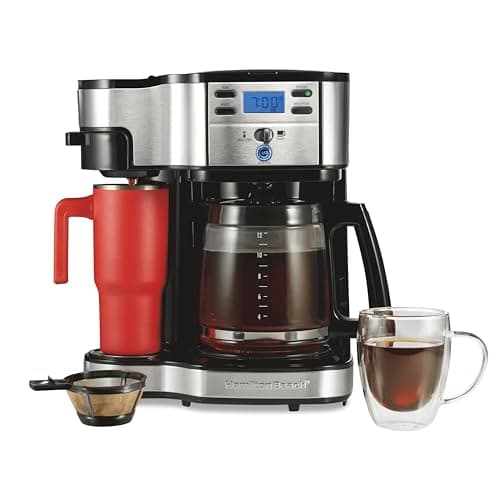
    The pick for a household that is split between a pot and a single mug: two separate reservoirs, a 12-cup carafe on one side and up to 14 oz into a travel mug on the other — and both sides brew from loose grounds, so neither costs pod money.

    7.7Best for one-cup and full-pot in one machine
  • 03
    AeroPress AeroPress Original Coffee Press
    AeroPress Original Coffee Press

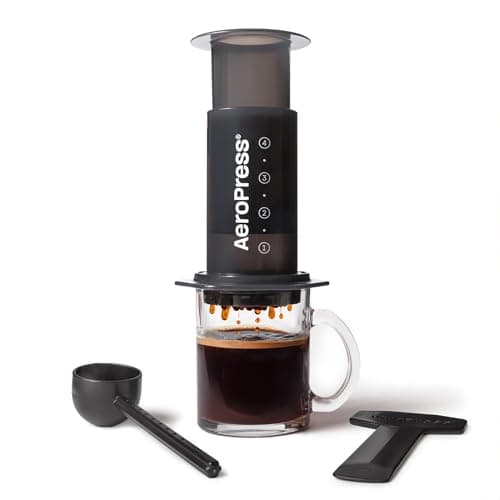
    The best cup in the bracket by a clear margin, and the cheapest to run: a paper-filtered immersion brewer that makes a clean, forgiving mug in under two minutes with no consumable beyond a filter disc.

    9.5Best cup quality for the money
  • 04
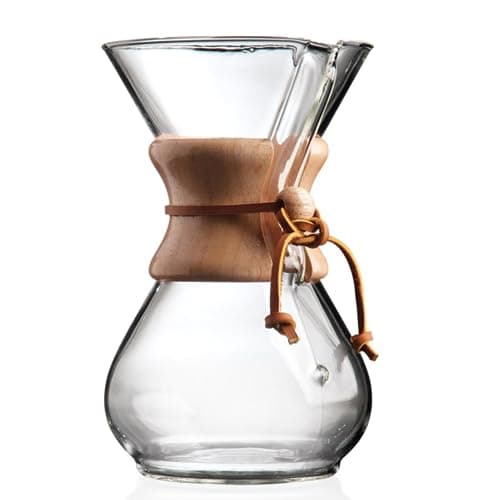
    Chemex Chemex Classic 6-Cup
    Chemex Classic 6-Cup

    The pick if you want a carafe of exceptionally clean filter coffee for several people and you are willing to pour it yourself: brewer and server in one piece of borosilicate glass.

    7.3Best for a clean carafe you serve from
  • 05
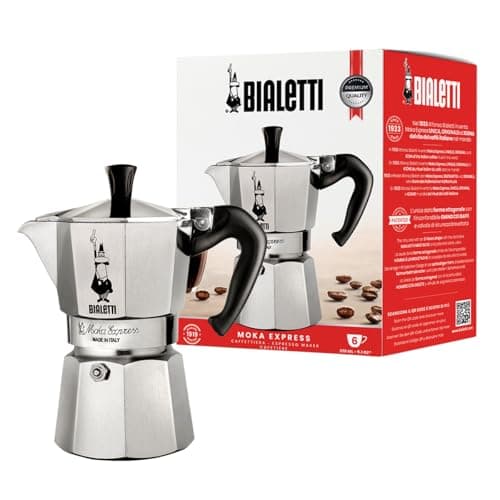
    Bialetti Bialetti Moka Express (6 cup)
    Bialetti Moka Express (6 cup)

    The cheapest route to strong, concentrated, espresso-adjacent coffee: cast aluminum, a stovetop, no electricity and no consumables — as long as you are willing to learn one thing about heat.

    7.6Best for strong, espresso-style coffee
  • 06
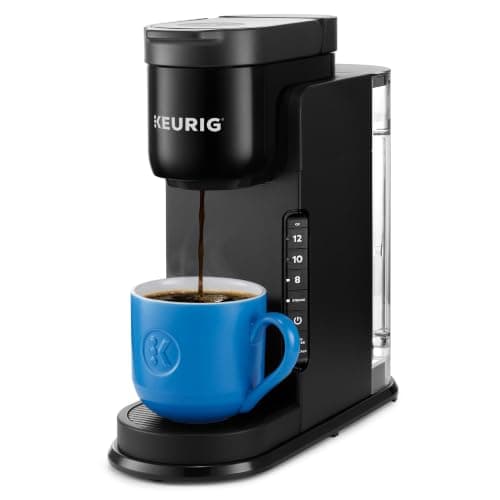
    Keurig Keurig K-Express
    Keurig K-Express

    The honest pod pick: the cheapest K-Cup machine that keeps the Strong button and a real 42oz reservoir — fastest cup here, and comfortably the most expensive to run.

    8.0Best pod machine under $100

#ad · Live prices from the Amazon Product API, as of November 2, 2026. Where we have no verified live price, we show none — a gap beats a number that has rotted.

In detail

The picks, in full

01
Ninja Ninja Fresh Brew 12-Cup (CE251)

Best overall under $100

Ninja Fresh Brew 12-Cup (CE251)

12-cup glass carafeClassic and Rich brew settings24-hour programmable delay brew60oz reservoir
7.6/10

The best machine answer in the bracket: a straightforward 12-cup programmable drip maker with a strength setting and a delay timer, which is the whole job most households want done.

Brew quality
7
Versatility
6
Ease of use
9
Build
7
Value
9

Pros

  • Does the one job most households actually need — a programmed pot ready when you wake up
  • The Rich setting slows the brew for a stronger cup, which is the useful half of Ninja's specialty features at a fraction of the price
  • Simple enough that there is very little to go wrong
  • A full 12-cup carafe at a price where the multi-mode machines are not competing
  • Removable reservoir and dishwasher-safe parts keep upkeep trivial

Cons

  • Glass carafe on a hot plate, which cooks the coffee bitter within about thirty minutes
  • No published brew temperature and no certification — you are trusting the engineering
  • No concentrate mode, so iced coffee is the usual watery compromise
  • No frother, no pod support, no single-serve
  • A strength setting changes contact time, not extraction quality — it is not a substitute for a decent grind

Don't buy this if…

…you drink one cup and walk away, or you want the pot to still taste good in two hours. A glass carafe on a hot plate is the defining limitation of this bracket, and a thermal machine solves it properly a bracket up.

Buy this one if what you want is a pot of coffee ready before you are awake, for the whole household, with nothing to learn. It wins the machine half of this bracket by not trying to be clever: a carafe, a timer, two strength settings and a reservoir you can lift out. Scores and specs are carried over unchanged from its entry on our best Ninja coffee makers ranking. The honest limit is the hot plate, and it is the same limit every programmable machine at this price has: drink the pot inside half an hour, or decant it into a thermos and treat the carafe as a brewing vessel rather than a serving one.

$69.99View on Amazon

$89.9922% off

Price as of November 2, 2026. Prices change — Amazon's at checkout is the one that counts.

#ad · we may earn a commission from this link to Ninja Fresh Brew 12-Cup (CE251)

02
Hamilton Beach Hamilton Beach 2-Way Programmable (49980RG)

Best for one-cup and full-pot in one machine

Hamilton Beach 2-Way Programmable (49980RG)

12-cup glass carafe + single-serve sideUp to 14 oz into a cup or travel mug2 separate water reservoirsSelect-a-Brew strength control2-hour auto shutoff
7.7/10

The pick for a household that is split between a pot and a single mug: two separate reservoirs, a 12-cup carafe on one side and up to 14 oz into a travel mug on the other — and both sides brew from loose grounds, so neither costs pod money.

Brew quality
6.5
Versatility
9
Ease of use
8
Build
6.5
Value
8.5

Pros

  • Genuinely solves the two-household problem: a pot for one person, a single mug for the other, without two appliances
  • The single-serve side uses a mesh scoop and loose grounds — so your cost per cup is grounds, not pods
  • Two separate reservoirs mean the single-serve side does not drain the carafe tank
  • Programmable for wake-up-ready coffee on the carafe side
  • 2-hour automatic shutoff is a real safety feature on a machine with a hot plate

Cons

  • Not compatible with K-Cup pods — Hamilton Beach states this plainly, so buy it for grounds or do not buy it
  • No published brew temperature or certification on either side
  • Glass carafe on a hot plate, same cooked-coffee problem as every machine in the bracket
  • At 13.9 inches tall and 12.2 wide it is the biggest footprint here, which is the price of two brewers in one body
  • Hamilton Beach does not publish a wattage or warranty term on the product page
  • Two brewing paths means two sets of parts to rinse

Don't buy this if…

…you want pod convenience. The single-serve side is a mesh basket you fill with ground coffee, which is cheaper per cup but not faster or tidier than a pod machine — if speed is the point, the K-Express below is the honest pick.

Buy this one iftwo people in your house want different volumes of coffee at different times and you have one outlet to give the problem. Hamilton Beach publishes the useful figures for the 2-Way Brewer directly: up to 12 cups on the carafe side, up to 14 oz into a cup or travel mug on the single-serve side, two separate easy-fill reservoirs, a Select-a-Brew strength control and a two-hour automatic shutoff. The one thing to be clear-eyed about is the pod question — the single-serve side is not K-Cup compatible, and Hamilton Beach says so on its own page. Read that as a cost feature rather than a flaw: you are brewing both sides from the same bag of grounds, which is the cheapest single-cup coffee in this whole roundup.

$88.95View on Amazon

Price as of November 2, 2026. Prices change — Amazon's at checkout is the one that counts.

#ad · we may earn a commission from this link to Hamilton Beach 2-Way Programmable (49980RG)

03
AeroPress AeroPress Original Coffee Press

Best cup quality for the money

AeroPress Original Coffee Press

Immersion brewing with plunger pressurePaper micro-filters10 oz capacity, 1-2 cups (AeroPress figure)BPA-free polypropylene, 7.75 oz full kit1 year warranty
9.5/10

The best cup in the bracket by a clear margin, and the cheapest to run: a paper-filtered immersion brewer that makes a clean, forgiving mug in under two minutes with no consumable beyond a filter disc.

Cup quality
8.5
Forgiveness
9.5
Cleanup
10
Portability
9.5
Value
10

Pros

  • Makes a materially better cup than any electric machine in this bracket, because you control the temperature and the contact time
  • Paper micro-filter means genuinely zero sediment
  • Extremely forgiving — the immersion phase means grind precision matters far less than in pour-over
  • Cleanup is five seconds: pop the puck into the bin, rinse the seal
  • Nearly indestructible and packs into a bag — the default travel and office brewer
  • Cheapest cost per cup here: no pods, and filters are a trivial consumable

Cons

  • Makes one drink per cycle — 10 oz is AeroPress's published capacity
  • You have to be present for the whole brew; there is no timer and no walking away
  • Needs hot water from somewhere, so a kettle is an unlisted part of the purchase
  • It is a plastic tube, and it will never look like an appliance on a counter
  • Paper filters are a small ongoing consumable
  • Thin-bodied next to a press if a heavy, oily cup is what you actually want

Don't buy this if…

…you brew for more than one or two people at a time, or the appeal of a coffee maker is that it works while you do something else. One drink per cycle and full attention for two minutes are the real costs here.

Buy this one ifthe cup is what you care about and you drink alone. It ranks below the two machines above on this page only because the page is ranked for “coffee maker” intent, where most people mean a device that brews while they get dressed — on cup quality per dollar the AeroPress is not close to anything else here. Scores and specs are carried over unchanged from our AeroPress review, and AeroPress vs French press settles it against the other obvious cheap immersion brewer. One cost it is easy to miss: it does not heat water, so budget for a kettle if you do not own one.

$39.95View on Amazon

Price as of November 2, 2026. Prices change — Amazon's at checkout is the one that counts.

#ad · we may earn a commission from this link to AeroPress Original Coffee Press

04
Chemex Chemex Classic 6-Cup

Best for a clean carafe you serve from

Chemex Classic 6-Cup

One-piece hourglass carafeThick bonded paper filtersBrews and serves 6 cupsBorosilicate glass
7.3/10

The pick if you want a carafe of exceptionally clean filter coffee for several people and you are willing to pour it yourself: brewer and server in one piece of borosilicate glass.

Brew control
7.5
Consistency (forgiving)
7.5
Ease of use
7
Build
7
Value
7.5

Pros

  • The thick bonded filters make one of the cleanest, brightest cups you can brew at any price
  • Brews and serves several cups from one carafe — the only manual brewer here that scales past one person
  • Dripper and server in one, so nothing extra to pour into
  • No electricity, no electronics, nothing to fail
  • A genuinely beautiful object that doubles as decor

Cons

  • The heavy proprietary filters are pricier than standard cones and can slow or clog the brew
  • One-piece glass is fragile and awkward to clean by hand
  • Rewards technique more than the AeroPress does — a bad pour makes a thin cup
  • Needs a kettle, and ideally a gooseneck one, which is a real added cost
  • No heat retention at all: it is a brewing and serving vessel, not a thermos

Don't buy this if…

…you brew one cup at a time, or you want body in your coffee. The Chemex shines at volume and clarity, and its filters strip out the oils that give a cup weight.

Buy this one if you have people over, or you want the clean, tea-like clarity that only a thick paper filter produces, and the ritual is part of the appeal rather than an obstacle. Scores and specs are carried over unchanged from its entry on our best pour-over coffee makers ranking, and Chemex vs V60 works through the choice between the two classic drippers. Add a kettle to the budget before you decide it is the cheap option — our gooseneck kettle picks cover what that actually costs.

$47.03View on Amazon

Price as of November 2, 2026. Prices change — Amazon's at checkout is the one that counts.

#ad · we may earn a commission from this link to Chemex Classic 6-Cup

05
Bialetti Bialetti Moka Express (6 cup)

Best for strong, espresso-style coffee

Bialetti Moka Express (6 cup)

Cast aluminum, octagonal body6-cup size, about 9oz of brewGas and electric hobs, not inductionReplaceable gasket and filter plate
7.6/10

The cheapest route to strong, concentrated, espresso-adjacent coffee: cast aluminum, a stovetop, no electricity and no consumables — as long as you are willing to learn one thing about heat.

Forgiveness
6.5
Ease on day one
6.5
Cup quality
8
Cost to run
9.5
Cleanup
7.5

Pros

  • Makes a genuinely strong, chocolatey concentrate for a fraction of the price of any espresso machine
  • No filters, no pods, no power and nothing electronic to fail — the gasket is the only wear part
  • A workable base for a cheap home latte or cappuccino if milk drinks are what you are after
  • Parts are available everywhere, which is why these last for decades
  • The only brewer here that makes something an espresso drinker will recognize

Cons

  • It is not espresso — the pressure is a fraction of what an espresso machine produces, and there is no real crema
  • Heat control is a genuine skill: too hot and it sputters and tastes scorched, which is the most common beginner complaint
  • Aluminum will not work on an induction cooktop, and it is hand wash only
  • It must be filled to its rated size — a 6-cup pot brewing 3 cups brews badly
  • Needs a stove, so it is the one pick here that depends on your kitchen

Don't buy this if…

…you want a mug of long black coffee. This makes a small volume of very concentrated brew, so it is the wrong tool if what you picture is a full cup you sip for twenty minutes.

Buy this one ifwhat you are really missing is the strength of a café drink and you were considering a cheap espresso machine to get it. A moka pot is the honest version of that purchase in this bracket — under $100 there is no espresso machine we would recommend, and the cheapest one we do rate is the De’Longhi Dedica Deluxe, several brackets up. Scores and specs are carried over unchanged from our best moka pots ranking. The one skill to learn is heat: medium flame, take it off the moment it starts to gurgle.

$48.69View on Amazon

$59.9919% off

Price as of November 2, 2026. Prices change — Amazon's at checkout is the one that counts.

#ad · we may earn a commission from this link to Bialetti Moka Express (6 cup)

06
Keurig Keurig K-Express

Best pod machine under $100

Keurig K-Express

3 brew sizesStrong Brew button42oz removable reservoirCompact body
8.0/10

The honest pod pick: the cheapest K-Cup machine that keeps the Strong button and a real 42oz reservoir — fastest cup here, and comfortably the most expensive to run.

Cup quality
6.5
Speed & convenience
9
Pod cost
8
Footprint
7.5
Value
9

Pros

  • Fastest cup of anything on this page, by a wide margin — a mug in under a minute with nothing to measure
  • Keeps the Strong setting, which is the one feature that actually changes a K-Cup brew
  • 42oz tank is a real reservoir, unlike the single-cup Keurigs
  • Nothing to clean beyond emptying the used pod
  • Smallest footprint of the electric machines here

Cons

  • Cost per cup is several times brewing from grounds, which over a year dwarfs the purchase price
  • Cup quality is capped by whatever is sealed in the pod — no setting can raise it
  • No iced mode and no hot water on demand
  • Only three brew sizes, and build feels lighter than the K-Elite
  • Pod packaging is the largest waste stream of any pick here

Don't buy this if…

…you are price-sensitive over the life of the machine. This is the cheapest purchase and the most expensive ownership on this page, and if the appeal is saving money the AeroPress or the Ninja beats it inside a few months.

Buy this one ifspeed and zero effort genuinely outrank cost and cup quality — which is a legitimate position, not a failing, and it is why this pick is on the page at all. It is last in the ranking because the criteria at the top of this page weigh extraction control and cost per cup, and a pod machine is designed to remove the first and accept the second. Scores and specs are carried over unchanged from our best Keurig coffee makers ranking; best pod coffee makers compares it against the Nespresso side of the market.

$69.99View on Amazon

$109.9936% off

Price as of November 2, 2026. Prices change — Amazon's at checkout is the one that counts.

#ad · we may earn a commission from this link to Keurig K-Express

What $100 cannot buy, at all

Worth knowing before you shop, because four things in this category are simply not available at this price and chasing them will waste your money.

  • An SCA-certified machine.Certification means an independent lab confirmed the brewer holds roughly 195–205°F for the correct time with even saturation. We are not aware of a certified drip machine selling under $100. None of the electric machines on this page publish a brew temperature either, so there is nothing to compare.
  • A thermal carafe on a programmable machine. Under $100 a carafe means glass on a hot plate. The hot plate keeps coffee hot by continuing to cook it, which turns a good pot bitter in roughly half an hour. There is no fix for this inside the bracket; the workaround is to decant into a thermos.
  • A built-in grinder worth having. Grind-and-brew machines start a bracket or two up, and the cheap ones use blade-style or low-quality burrs that undo the point. See best coffee makers with grinders for where that category actually starts.
  • Espresso. Machines sold as espresso makers under $100 are pressurized-basket appliances at best and steam toys at worst. If espresso is the goal, a moka pot is the honest purchase in this bracket and the Dedica is the cheapest real machine we rate.

Cost per cup is the number that actually matters

Over a year of daily coffee, how you brew costs more than what you brewed with. The ordering is not close: loose grounds in a manual brewer are the cheapest, loose grounds in a drip machine add a paper filter, and pods cost several times either. That is why the K-Express sits last on this page despite having the lowest purchase price — it is the cheapest machine and the most expensive ownership, and a buyer choosing it to save money is reading only the first number.

We do not print per-cup figures here, because pod and bean prices move constantly and a stale number is worse than none. The mechanism is stable enough to decide on: a pod is a single portion of coffee, packaging, a filter and a license, sold one at a time. A bag of beans is coffee. The ratio follows from that.

Glass carafe and the hot plate, specifically at this price

Every programmable machine here ends the brew by putting a glass pot on a heating element. That is not a design failure, it is the cheapest way to keep coffee hot, and it works exactly as intended for the first twenty or thirty minutes. After that the coffee continues to extract and oxidize against the heat and turns flat and bitter — the taste most people associate with office coffee.

Three honest responses, in order of cost. Drink the pot quickly, which is free. Decant it into any insulated bottle you already own and switch the plate off, which is also free and genuinely works. Or spend past this bracket on a thermal machine, which is the proper fix and the reason our main coffee maker ranking weighs carafe type heavily.

The upgrades that beat a bigger machine

If you have $100 and you want the best cup you can get from it, the allocation that wins is not the most expensive machine. It is a cheap brewer plus better coffee.

A hand grinder plus an AeroPress makes better coffee than any $95 electric machine with pre-ground coffee, and it is not a close contest — grind freshness and consistency set the ceiling that everything else operates under. Our best budget coffee grinders and best manual coffee grinders pages cover the cheap end of that honestly, including which price points are a waste. After the grinder, the next best spend is fresher beans: best coffee beans.

And one free upgrade that applies to every pick on this page: measure your coffee and water instead of guessing. Most weak or bitter home coffee is a ratio problem rather than an equipment problem, and coffee to water ratio fixes it in five minutes at no cost.

Which one, in one line each

A pot ready before you wake, for a household: Ninja CE251. A pot for one person and a mug for another, from the same bag of grounds: Hamilton Beach 2-Way. The best cup on the page, for one drinker: AeroPress. A clean carafe you pour yourself, for guests: Chemex. Strong, café-style coffee without an espresso machine: Bialetti Moka Express. A mug in under a minute and you accept the running cost: Keurig K-Express. If you are buying your first coffee maker of any kind, our best coffee maker for beginners page ranks on forgiveness instead of price, which is a better lens for a first purchase.

A note on prices in this bracket

Every price on this page renders live and is timestamped, because a $100 threshold is a real line and products cross it. Several machines that would otherwise belong here — a couple of 12- and 14-cup programmables we rate elsewhere on the site — sit just above $100 as of this writing, which is why they are not on the list. If a pick above has drifted over the line when you read it, that is the market moving rather than a sleight of hand: check the live figure on the card, and if the gap matters, our Black Friday coffee deals page tracks when this category has historically discounted.
How we picked

We did not lab-test this gear

Everyone in this category says they tested twenty machines. We have not lab-tested any of these, and we say so. What we did instead: compiled the published manufacturer specifications, read the manuals, ran the math where there was math to run (heat-up time, pressure, dose capacity, grind range, cost per cup), and scored each pick against a published rubric. The scores are judgments from documented research — not measurements we took, because we do not have a lab and we will not pretend we do. Where a number came from someone else's work, we name them in Sources.

Questions

Frequently asked

Is there a good coffee maker under $100?
Yes, but you have to pick which kind of good. For convenience, a 12-cup programmable drip machine like the Ninja CE251 does the job properly. For cup quality, a manual brewer such as an AeroPress or a Chemex beats every electric machine in the bracket, because you control water temperature and contact time instead of trusting undisclosed engineering.
Are any coffee makers under $100 SCA certified?
We are not aware of one. Specialty Coffee Association certification confirms a machine brews in roughly the 195–205°F window with even saturation, and certified drip machines start well above this bracket. None of the electric machines on this page publish a brew temperature at all, which is the main reason this list is ranked on other criteria.
Why does my cheap coffee maker's coffee taste bitter after a while?
Almost always the hot plate. A glass carafe stays warm because an element underneath keeps heating it, and the coffee keeps extracting and oxidizing against that heat, which turns it flat and bitter in roughly half an hour. Switch the plate off and decant into an insulated bottle, or buy a thermal-carafe machine a bracket up.
Is a pod machine cheaper than a drip machine?
Cheaper to buy, considerably more expensive to own. Per cup, pods cost several times what brewing from loose grounds does, so over a year of daily coffee the running cost dominates the purchase price. Buy a pod machine for speed and zero effort, which is a fair reason, not to save money.
Should I spend the whole $100 on the machine?
Usually not. A cheap brewer plus a basic burr grinder makes better coffee than the most expensive machine in this bracket filled with pre-ground coffee, because grind freshness and consistency set the ceiling everything else works under. Split the budget rather than maximizing the appliance.
Can I get an espresso machine for under $100?
Not one we would recommend. Machines at that price use pressurized baskets at best, and the cheapest real espresso machine we rate is the De’Longhi Dedica Deluxe, several brackets higher. If what you want is strong, concentrated coffee rather than literal espresso, a Bialetti Moka Express delivers it for a fraction of the price.
Do I need a kettle for the manual picks?
Yes, and it is the cost people forget. Neither the AeroPress nor the Chemex heats water, so factor in a kettle you do not already own. The Chemex specifically benefits from a gooseneck spout for pour control; the AeroPress is happy with any kettle at all.

Keep reading

Receipts

Sources

We do not run a testing lab, and we do not pretend to. Where a measured number came from someone else's work, we name them and link them. Where we could not verify something, we say so on the page rather than quietly leaving it out. Read our full method.