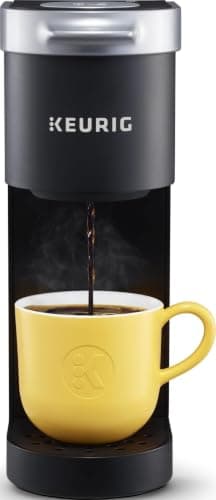
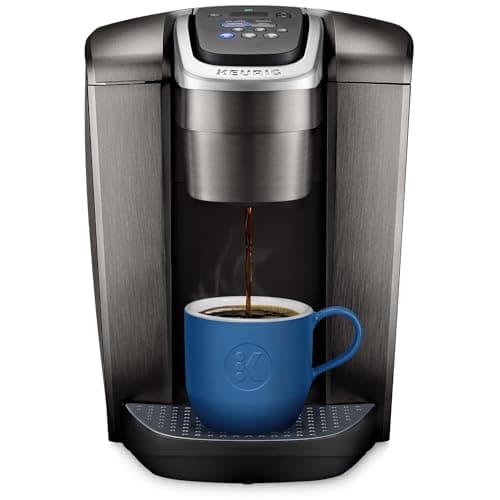
Pod machines exist because a real cup of coffee takes four minutes and a pod takes forty seconds, with no grinder, no filter and nothing to clean. That is a genuine trade a lot of people should make, and we are not going to pretend otherwise. What we will do is be blunt about the price of it: pods are the most expensive way to drink coffee, and the cup is decent rather than great.
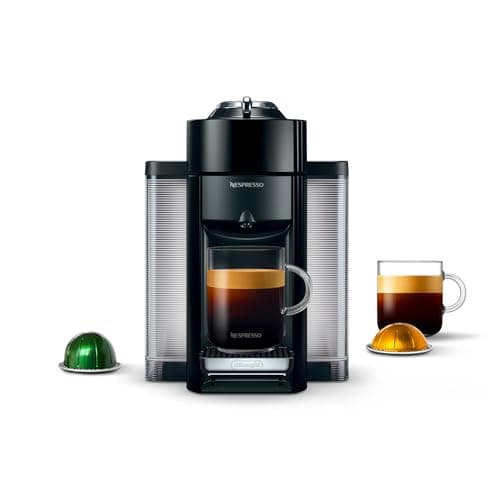
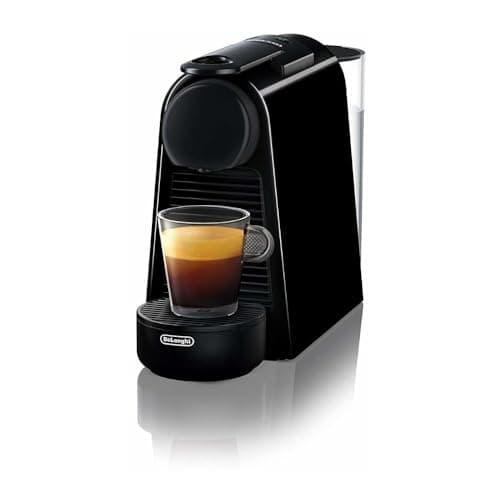
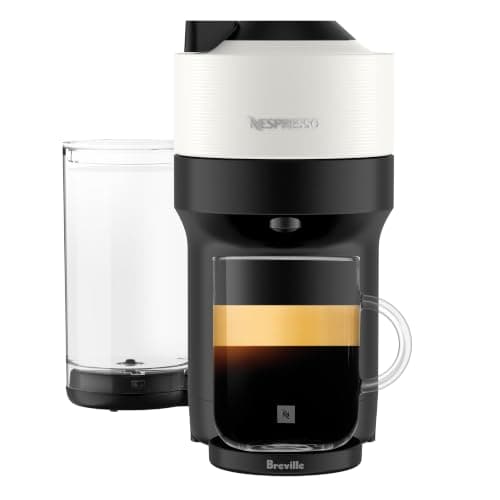
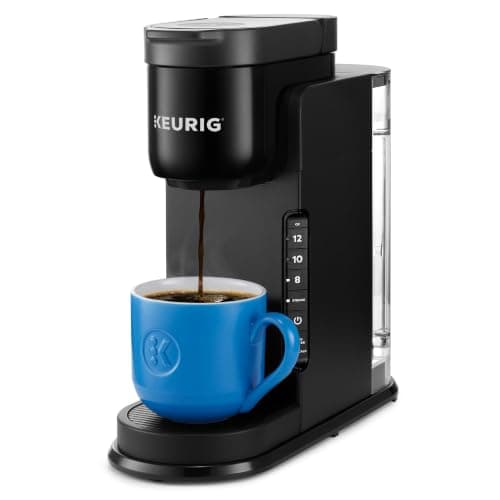
The first decision is not which machine, it is which pod system — because the pod locks you in. There are three, and they are not interchangeable. K-Cup (Keurig and its licensees) makes American-style mug coffee, 6 to 12 ounces, with by far the widest pod selection and the cheapest pods. Nespresso Original makes small, crema-topped espresso-style shots under high pressure, with a large third-party pod market. Nespresso Vertuo reads a barcode on each pod and spins it to brew anything from an espresso to a large mug, with the best cup quality here and pods available almost exclusively from Nespresso itself.
Ranked below on cup quality, running cost and footprint. If the cost per cup is what bothers you, the buyer’s guide does the math and points at the cheaper alternatives.
Do the cost-per-cup math before you buy
This is the number that decides whether a pod machine is right for you, and it is worth confronting honestly. A K-Cup typically costs somewhere in the region of 50 to 80 cents; Nespresso Original pods land around 70 cents to a dollar; Vertuo pods are usually at the top of that range. Brewing the same drink from whole beans costs roughly 20 to 35 cents.
At two cups a day, the gap between a pod and a home-ground cup is on the order of several hundred dollars a year — comfortably more than the price of a good drip machine and a burr grinder combined, in the first year. That does not make pods a bad purchase; it makes them a purchase you should make with your eyes open, buying convenience rather than value.
Why pod coffee tastes the way it does
Two structural reasons, neither of which a better machine fixes. First, dose: a K-Cup holds roughly 9 to 12 grams of coffee, while a properly brewed 10oz cup wants closer to 17 grams. The machine is brewing a large volume through a small dose, which is why pod coffee reads as thin. Strong-brew settings help by slowing the water down, but they cannot add coffee that is not there. Second, freshness: the coffee was ground months before you bought it. Sealed nitrogen-flushed packaging slows staling dramatically, which is why pods taste as good as they do, but it cannot beat coffee ground thirty seconds ago.
The three systems, and the lock-in
K-Cup is an open ecosystem: hundreds of brands make compatible pods, store-brand pods are cheap, and refillable stainless baskets let you use your own coffee. It brews at low pressure, so it makes drip-style mug coffee — no crema, no espresso.
Nespresso Original is semi-open. Nespresso’s patents on the Original capsule have largely expired, so third-party pods are plentiful and often cheaper. It brews under high pressure, producing genuine espresso-style shots with crema, in small sizes only.
Nespresso Vertuo is closed. Each pod carries a barcode the machine reads to set volume, temperature and spin speed, and the practical effect is that you buy pods from Nespresso. The cup quality is the best here and the flexibility is the worst. Choose it knowing you are choosing a subscription in all but name.
Reusable pods: what they do and do not solve
Refillable stainless or plastic baskets exist for K-Cup machines and work reasonably well — they cut cost and waste, and let you use fresh coffee. The catch is that they need a medium-fine grind and firm, even filling to brew properly, and they reintroduce the grinding and cleaning steps you bought the machine to avoid. If you are willing to do that, an AeroPress makes a better cup in about the same time. Reusable Vertuo pods are not practical, because of the barcode.
The waste question, briefly
K-Cups are mixed-material plastic; some are labeled recyclable but require separating the lid, filter and grounds, which few people do. Nespresso capsules are aluminum and genuinely recyclable, but through Nespresso’s own mail-back program rather than curbside. If waste is a deciding factor for you, Nespresso’s aluminum with an active return scheme is the better of the two, and a machine using loose coffee is better than both.
Who should buy something else
If you drink more than two cups a day, or you make coffee for a household, a drip machine is cheaper and better within months. If you want real espresso rather than espresso-style, no pod machine gets there — see espresso machines under $500. And if the appeal is one good cup with no cleanup, an AeroPress costs less than any machine here and makes a better drink, at the price of ninety seconds of your attention.
Why pod machines keep winning in dorm rooms
It is not really about the coffee. Pod machines are sealed appliances with automatic shutoff and no exposed element, which is the attribute most residence-hall appliance policies turn on, and there is nothing to carry to a sink. That combination is why they dominate student housing despite having the highest running cost in coffee — for a daily drinker the pods overtake the price of the machine within months. The full comparison against brewers that cost far less to run is on best espresso machines for college students.