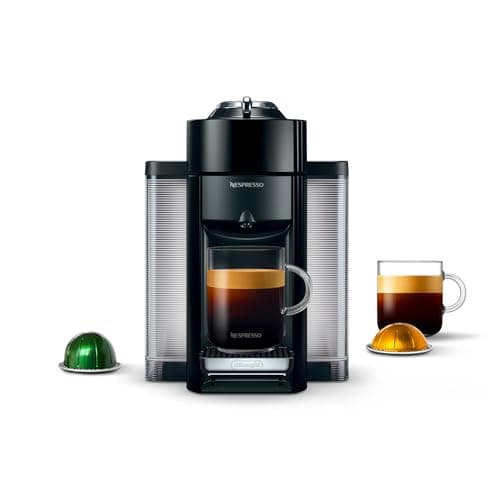
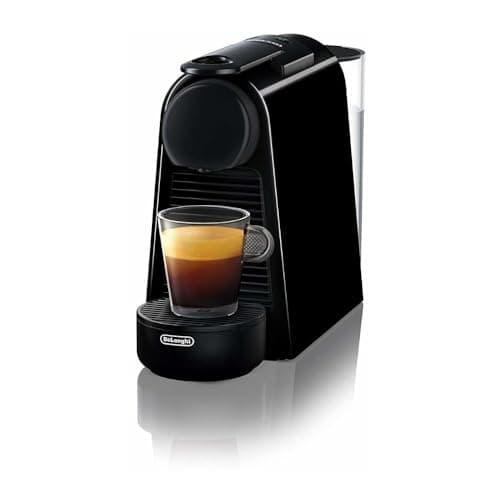
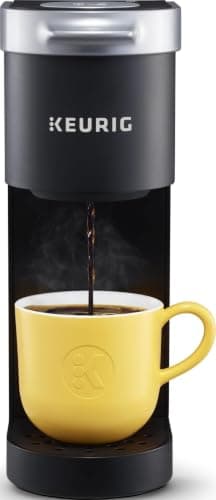
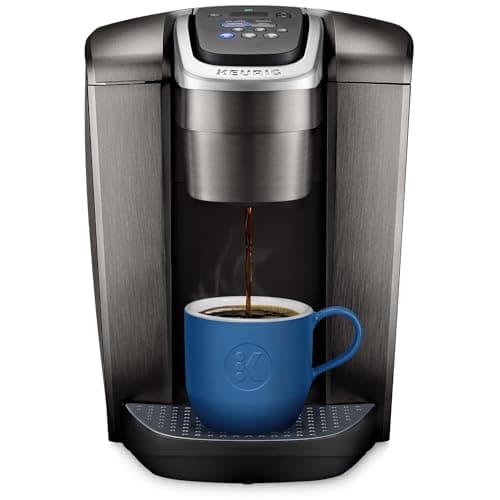
The most common mistake in pod shopping is treating this as a brand comparison. It is a drink comparison. Keurig brews an American-style mug of coffee — 6 to 12 ounces, low pressure, no crema. Nespresso brews a small, concentrated, crema-topped espresso-style shot under high pressure. If you want a mug to sip at your desk, no Nespresso machine makes it well; if you want a cortado, no Keurig gets close.
Once you know which drink you want, the rest — cup quality, pod price, lock-in — follows. Note that Nespresso is really two systems: Original (small espresso-style shots, open to third-party pods) and Vertuo (barcode-read pods, sizes from espresso to a mug, closed ecosystem). That distinction matters more than Keurig versus Nespresso does, and we compared the two directly in Vertuo vs Original.
The short answer
Keurig if you drink mug-sized black coffee, want the cheapest and widest pod selection, or share the machine with people who like different things. Nespresso Original if you want espresso-style shots at the lowest running cost with real third-party choice. Nespresso Vertuo if cup quality is the priority and you accept buying pods from one company forever.
Side by side
| | Keurig (K-Cup) | Nespresso Original | Nespresso Vertuo |
|---|
| Drink | Mug of drip-style coffee | Espresso and lungo | Espresso through large mug |
| Cup sizes | ~4–12 oz | ~1.35 oz and ~3.7 oz | ~1.35 oz up to ~18 oz |
| Brewing | Low-pressure drip through the pod | High-pressure extraction | Centrifugal spin, barcode-controlled |
| Crema | None | Yes | Yes, thick |
| Third-party pods | Extensive and cheap | Extensive | Effectively none |
| Typical pod cost | Lowest | Middle | Highest |
| Reusable pods | Yes, widely available | Some options | Not practical (barcode) |
| Pod material | Mixed plastic | Aluminum | Aluminum |
| Best for | Households, offices, black mug coffee | Small strong shots, tight budgets | Best cup, least flexibility |
Pressure is the real technical difference
A Keurig pushes hot water through the pod at low pressure — it is a very fast drip brewer with the filter and grounds pre-packaged. That is why there is no crema and why the result tastes like weak filter coffee rather than like espresso.
Nespresso Original uses a high-pressure pump, which is genuinely espresso-like extraction: the water is forced through a compacted bed of fine grounds, emulsifying oils into crema. It is not identical to a portafilter machine — the dose is smaller and you have no control over grind, dose or time — but it is the same physical process.
Vertuo does something different again: it spins the capsule at high speed so centrifugal force drives water through the coffee, with a barcode on the rim telling the machine the volume, temperature and rotation speed. It produces a thick crema across a wide range of cup sizes, which is a genuine engineering achievement — and the barcode is exactly what makes third-party pods impractical.
Running cost over five years
Machines are the small number here. At two drinks a day, the pod bill dwarfs the machine price within the first year and keeps going. K-Cups are the cheapest, especially store brands and bulk boxes; Nespresso Original sits in the middle with real third-party competition holding prices down; Vertuo is the dearest and has no competitive pressure on it at all.
Weigh that against the machine price, which usually runs the other way — the cheapest machines often lock you into the dearest pods. Over five years, the pod system you choose matters far more to your wallet than which machine within it you buy.
Milk drinks on either system
Neither system textures milk the way an espresso machine’s steam wand does. Nespresso bundles or sells a separate Aeroccino-style frother, which whips milk into a decent foam for a cappuccino-ish drink, and some Vertuo bundles include one. Keurig has no equivalent, so a latte means brewing a strong K-Cup and adding separately heated milk. If milk drinks are the main event, a machine with a real steam wand from our milk frother ranking will make you far happier than either of these.
Descaling matters more than people expect
Both systems have narrow internal water paths that scale up quickly in hard water, and a scaled pod machine brews cooler, slower and weaker — which most owners misdiagnose as the machine wearing out. Descale on the schedule your machine prompts for, using a proper descaler rather than vinegar, which can leave a taste and is harsh on seals. Our cleaning supply picks cover what to buy.
The honest third option
If this comparison has mostly convinced you that pods are expensive and the coffee is only fine, that is a reasonable conclusion. An AeroPress costs less than any machine here, makes a better cup, and takes about ninety seconds including cleanup. A drip machine makes a pot for a household at a fraction of the per-cup cost. Pods buy you speed and zero cleanup, and nothing else — buy them for that or do not buy them.
How we picked
We did not lab-test this gear
Everyone in this category says they tested twenty machines. We have not lab-tested any of these, and we say so. What we did instead: compiled the published manufacturer specifications, read the manuals, ran the math where there was math to run (heat-up time, pressure, dose capacity, grind range, cost per cup), and scored each pick against a published rubric. The scores are judgments from documented research — not measurements we took, because we do not have a lab and we will not pretend we do. Where a number came from someone else's work, we name them in Sources.