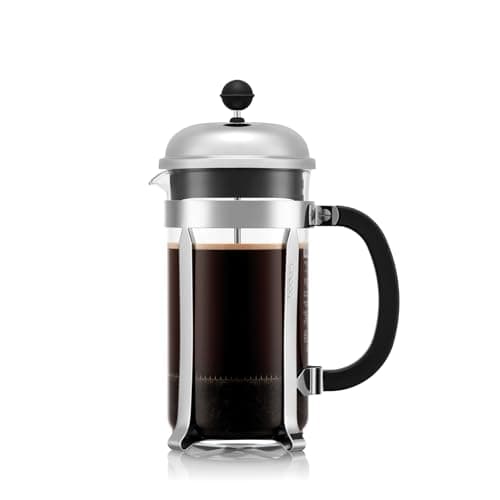
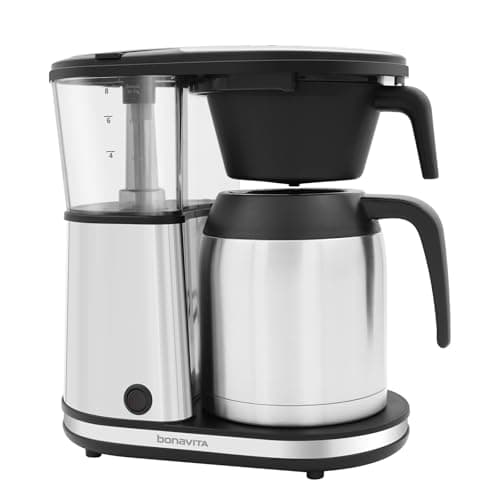
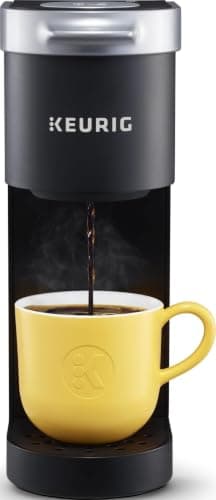
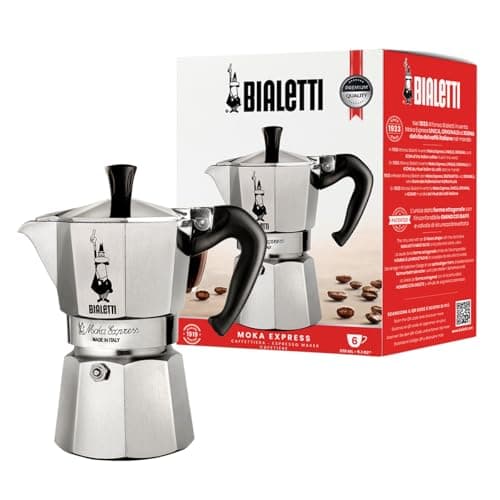
Almost every answer to “what coffee maker should a beginner buy” is a brand, and that is the wrong end of the question. What separates a good first coffee maker from a bad one is not features, capacity or a certification badge. It is forgiveness: how much you can get wrong at 7am, half awake, with beans of unknown age and a grinder you do not own yet, and still end up with something you want to drink. Rank the category that way and the list looks nothing like a normal coffee maker roundup — and the winner costs less than most people expect.
Three things change when you are buying your first brewer rather than your fifth. The first is that the price on the box is not the cost of entry. A brewer that only makes sense with paper filters, a gooseneck kettle and a burr grinder costs several times its sticker before it makes a good cup, and a beginner who does not know that buys the device, skips the rest, and concludes the device was bad. The second is that the learning curve is a real, recurring cost: a brewer that demands a technique you have not learned yet will make disappointing coffee for a few weeks and then live in a cupboard forever. The third is cleanup, which sounds trivial and decides everything — a brewer that takes two minutes to rinse out gets used on weekends, and one that takes five seconds gets used daily.
That leads to the finding this page is really built on, and it is not what the category wants you to hear: below roughly the $100 mark, manual brewing beats an automatic machine on cup quality, and it is not close. The reason is temperature. Coffee extracts properly in a narrow band of hot water — the Specialty Coffee Association and the National Coffee Association both put the target around 195–205°F — and inexpensive drip machines routinely fail to reach it or fail to hold it across a full brew. That, far more than the beans, is why cheap machine coffee tastes thin and sour. A press or a dripper takes its water straight from a kettle, so the person spending forty dollars manually gets correct-temperature water by default while the person spending forty dollars on a machine does not. Machines become the better answer higher up the ladder, where the certified models live — that ranking is our best coffee makers roundup.
So the six picks below span methods rather than brands, and each one is the honest answer to a different beginner. Every pick is scored on the same five things: forgiveness, how easy it is on day one, the cup it produces, what it costs to run once you include filters and pods, and cleanup. Every pick carries the cons that matter and a plain line telling you who should not buy it. One more thing before the table, because it decides more than the brewer does: whatever you choose, a burr grinder and beans with a roast date on the bag will improve your coffee more than doubling your brewer budget. If it is espresso specifically that you want to learn, that is a different ladder with different rules — start at best espresso machines for beginners instead.
Pick the method first, then the product
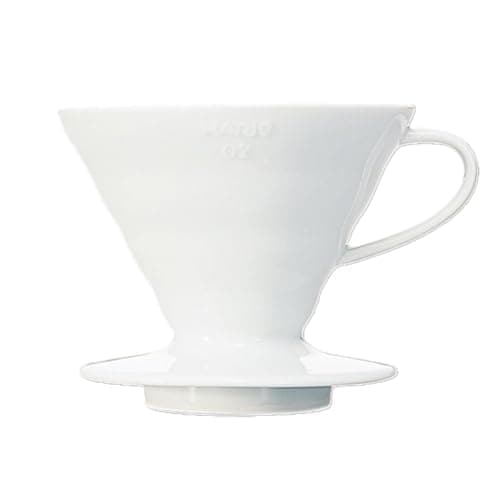
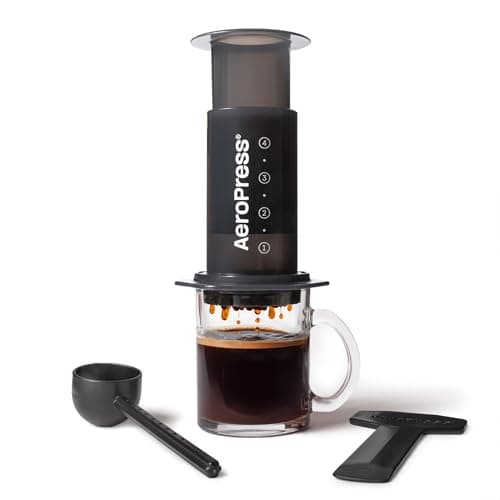
Beginners lose money in this category by shopping for a brand before deciding what kind of coffee drinker they are, and the four honest questions are simple. How many cups do you make at once — one, or a pot? Do you want something to practice, or something to press? Are you drinking it black, or building a milk drink? And how much of your morning are you actually willing to spend? One cup, no practice, black coffee, two minutes: that is the AeroPress. A pot for a household with no technique at all: a certified machine. A strong base for a latte on a budget: a moka pot. A method to get good at: a dripper. Those answers barely overlap, which is why a single “best coffee maker” is always the wrong shape of answer. Our coffee brewing methods guide lays all of them out side by side if none of those descriptions fits you yet.
Why a cheap machine loses to a cheap press
This is the single most useful thing a beginner can know. Good extraction needs water in a fairly narrow hot band — the industry target sits around 195–205°F — and it needs that water spread evenly over the whole coffee bed for the whole brew. Cheap drip machines cut cost on exactly those two things: an underpowered heating element that never quite reaches temperature, and a single-stream showerhead that drills a channel through one part of the bed while the rest stays dry. The coffee that results is under-extracted and thin, which most people read as “weak” and try to fix by using more coffee, which does not help. A kettle, meanwhile, produces correct-temperature water for free. That is the whole reason a forty-dollar press out-brews a forty-dollar machine, and why the machines worth buying start where certification does.
Budget the grinder into the purchase, not after it
If you spend your entire budget on the brewer, you will grind with whatever you have, and for most people that is either a blade grinder or the supermarket’s. Neither produces an even grind, and unevenness is the problem: the dust over-extracts into bitterness while the boulders never give up their sugars, in the same cup, and no brewer can separate them afterwards. If you are choosing between a better brewer and adding a modest burr grinder, add the grinder — it is the biggest single improvement available to a beginner, and our budget grinder picks exist for exactly this decision. The mechanism, in one page, is burr vs blade.
Count the running cost, not just the sticker
The six picks here have wildly different ownership shapes and the box price hides it. A press and a moka pot have essentially no running cost at all — no filters, no pods, an occasional gasket. An AeroPress or a dripper costs a paper filter per cup, which is small but not nothing, and the dripper quietly expects a gooseneck kettle and a scale to reach its potential. A drip machine adds filters plus periodic descaling. A pod machine inverts the whole equation: the cheapest hardware here and, per pound of coffee, by far the most expensive thing to feed. Work out how many cups a day you actually drink and multiply — for a daily drinker, the running cost overtakes the purchase price faster than almost anyone expects.
Match capacity to how you actually drink
Buying too big is the most common sizing mistake and it degrades the coffee. Drip machines brew a half-batch worse than a full one, because a partial bed of coffee saturates unevenly. A moka pot has to be filled to its rated size or it brews badly, so buy the size that matches a normal serving rather than the largest one on the shelf. A press scales down more gracefully, but a mostly-empty glass carafe loses heat fast. If you are one person drinking one or two cups, the whole single-serve half of this page — AeroPress, dripper, small moka — is genuinely the better fit, and a carafe machine is money spent on capacity you will brew badly.
The three mistakes that make beginners think they dislike home coffee
First: stale coffee. Coffee is at its best roughly four days to three weeks after roasting, and a bag with only a best-by date is telling you nothing about that. Buy something with a printed roast date and the difference is immediate. Second: the wrong grind for the method — pre-ground coffee is generally cut for drip machines, which is too fine for a press and too coarse for a moka pot, and both mismatches taste like the brewer’s fault. Third: water that boiled a second ago, or never got close. Boiling water scorches delicate coffee and lukewarm water under-extracts it; let a kettle stand for about thirty seconds after it boils and you are in the right band. None of those three costs money to fix, and together they explain most of the gap between a beginner’s coffee and a café’s.