Skip to content
Tamp & Pour

Roundups · Coffee Beans

The best single-origin coffee beans

One country, one region, one distinct character. Ranked by what each origin actually tastes like and which brewing method shows it off.

By Stephen V.Updated How we review
#ad

We earn a commission when you buy through our Amazon links, at no extra cost to you. It never changes a verdict, and we say so when the cheaper product is the better buy. How this works.

A single-origin coffee comes from one country, and usually one region or farm, in one harvest. A blend combines beans from several places to hit a consistent flavor target every batch. That is the whole distinction, and it explains both the appeal and the catch: single origins taste distinctly of somewhere, and they change from season to season, while a blend tastes the same in November as it did in March.

Neither is better. Blends are engineered for consistency, which is what you want in a daily driver and in espresso, where a shifting bean means re-dialing your grinder. Single origins are what you buy when you want to taste the difference between an Ethiopian and a Sumatran, and when you are willing to adjust as bags change.

The picks below are one per major flavor family rather than a ranking of the “best coffee,” because taste is personal and an Ethiopian and a Sumatran are not competing for the same job. Each entry names the brewing method that shows it off.

The short answer

Quick picks

#ad · Live prices from the Amazon Product API, as of Sep 2, 2026. Where we have no verified live price, we show none — a gap beats a number that has rotted.

In detail

The picks, in full

01
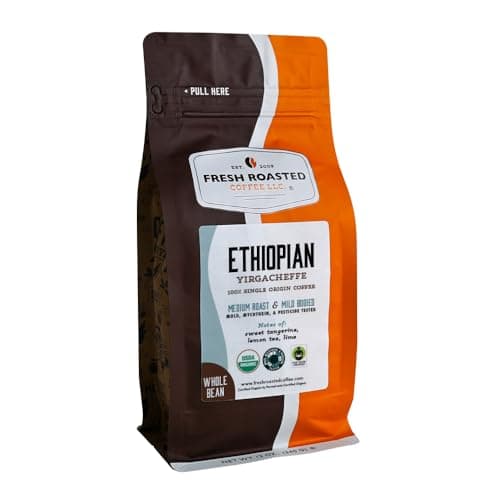
Fresh Roasted Coffee Fresh Roasted Coffee Organic Ethiopian Yirgacheffe (light roast)

Best bright & floral

Fresh Roasted Coffee Organic Ethiopian Yirgacheffe (light roast)

Light roastEthiopia, Yirgacheffe regionUSDA Organic, third-party testedWhole bean
8.1/10

The classic bright origin: floral, citrus-forward and tea-like, roasted light enough that the fruit survives. The bean that convinces people single origins are worth it.

Origin character
9.5
Roast suitability
8.5
Versatility
6
Freshness policy
8
Value
8.5

Pros

  • The most distinctive flavor profile on this list — jasmine, lemon and stone fruit, not adjectives you get from a blend
  • Light roast preserves the acidity that makes Yirgacheffe famous
  • Organic certification and third-party testing, unusual at this price
  • Outstanding through a pour-over cone

Cons

  • Light roasts are demanding — they need hotter water and a finer grind to extract properly
  • The delicate character is largely lost in a French press or with milk
  • Bright acidity is genuinely not to everyone's taste

Don't buy this if…

you drink your coffee with milk or brew it in a press. This is a bean for black, filtered coffee, and everything that makes it special disappears otherwise.

Brew this as a pour-over with water near 205°F. It is the single best demonstration of why paper-filtered percolation and a light single origin belong together.

$21.98View on Amazon

Price as of Sep 2, 2026. Prices change — Amazon's at checkout is the one that counts.

#ad · we may earn a commission from this link to Fresh Roasted Coffee Organic Ethiopian Yirgacheffe (light roast)

02
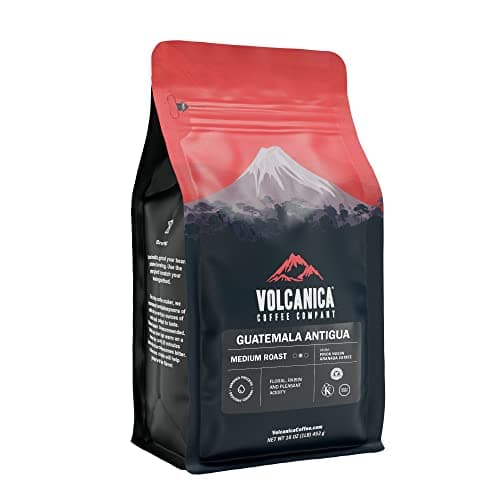
Volcanica Volcanica Guatemala Antigua (organic, medium roast)

Best all-rounder

Volcanica Guatemala Antigua (organic, medium roast)

Medium roastGuatemala, Antigua valleyUSDA Organic16oz whole bean
8.6/10

The best all-rounder here: cocoa and toasted nut with a clean, gentle acidity, roasted medium so it works in almost any brewer including espresso.

Origin character
8
Roast suitability
9
Versatility
9.5
Freshness policy
8
Value
8.5

Pros

  • Balanced enough to brew as pour-over, drip, press or espresso without disappointing in any of them
  • Chocolate and nut character that takes milk well, unlike the brighter origins
  • Volcanic-soil Antigua is a genuinely distinctive growing region, not a generic label
  • Fresh-roasted to order rather than sat in a warehouse

Cons

  • Less dramatic than an Ethiopian if you are chasing a striking flavor
  • Roast date is not always printed on the bag
  • Costs more than supermarket single origins

Don't buy this if…

you want the most distinctive cup you can find — a well-roasted Yirgacheffe or Kenyan is far more attention-grabbing.

$22.99View on Amazon

Price as of Sep 2, 2026. Prices change — Amazon's at checkout is the one that counts.

#ad · we may earn a commission from this link to Volcanica Guatemala Antigua (organic, medium roast)

03
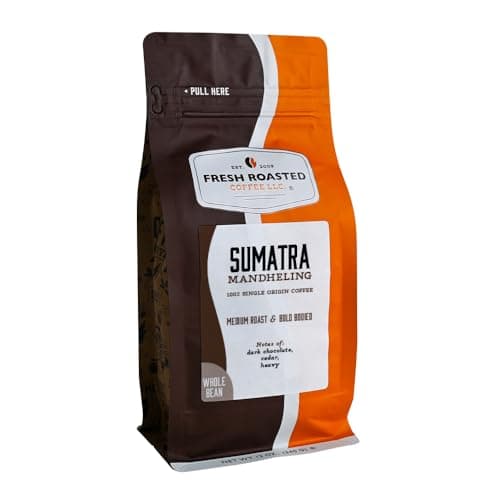
Fresh Roasted Coffee Fresh Roasted Coffee Sumatra Mandheling (medium roast, 12oz)

Best full-bodied & earthy

Fresh Roasted Coffee Sumatra Mandheling (medium roast, 12oz)

Medium roastSumatra, MandhelingWet-hulled processing12oz whole bean
8.3/10

The heavy, earthy end of the origin spectrum: low acidity, syrupy body and a herbal, cedar-like depth from Indonesia's wet-hulled processing.

Origin character
9
Roast suitability
8
Versatility
7.5
Freshness policy
8
Value
9

Pros

  • The lowest-acid origin here — a genuine option if bright coffee bothers your stomach
  • Big, syrupy body that a French press shows off beautifully
  • Distinctive earthy, herbal character you cannot get from Central American beans
  • Well-priced for a named single origin

Cons

  • Wet-hulled processing gives an earthy note some people actively dislike
  • Not a bean for anyone chasing brightness or fruit
  • Less clean in the cup than washed coffees from other regions

Don't buy this if…

you like bright, fruity, acidic coffee. Sumatra is the opposite of that by design, and it will taste muddy to you.

$17.99View on Amazon

Price as of Sep 2, 2026. Prices change — Amazon's at checkout is the one that counts.

#ad · we may earn a commission from this link to Fresh Roasted Coffee Sumatra Mandheling (medium roast, 12oz)

04
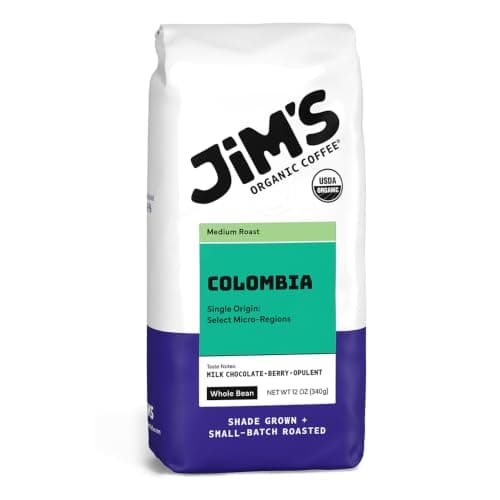
Jim's Organic Coffee Jim's Organic Coffee Colombian Single Origin (medium roast)

Best everyday value

Jim's Organic Coffee Colombian Single Origin (medium roast)

Medium roastColombiaUSDA Organic12oz whole bean
8.2/10

The everyday single origin: classic Colombian balance — caramel sweetness, mild citrus, no rough edges — at a price that makes it realistic as a daily bag.

Origin character
7
Roast suitability
8.5
Versatility
9
Freshness policy
7
Value
9.5

Pros

  • The most approachable profile here — almost nobody dislikes a good Colombian
  • Cheapest bag on this page, and priced to be a regular purchase rather than a treat
  • Organic certification at a supermarket-competitive price
  • Works in drip, pour-over and press equally well

Cons

  • Deliberately unremarkable — this is balance, not excitement
  • Colombian is the most common single origin, so it feels less special
  • No printed roast date

Don't buy this if…

you are buying a single origin specifically to taste something unusual — this is the safe, pleasant one.

$16.99View on Amazon

Price as of Sep 2, 2026. Prices change — Amazon's at checkout is the one that counts.

#ad · we may earn a commission from this link to Jim's Organic Coffee Colombian Single Origin (medium roast)

05
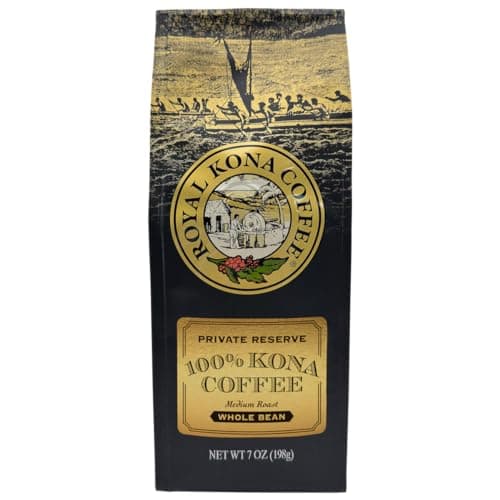
Royal Kona Royal Kona 100% Hawaiian Kona Private Reserve (medium roast)

Best splurge

Royal Kona 100% Hawaiian Kona Private Reserve (medium roast)

Medium roast100% Hawaiian KonaPrivate Reserve gradeWhole bean
7.5/10

The splurge: genuine 100% Kona, which is smooth, soft-acid and buttery in a way nothing else here is — and priced accordingly.

Origin character
8.5
Roast suitability
8.5
Versatility
8
Freshness policy
7
Value
5.5

Pros

  • Distinctly smooth and buttery — a genuinely different texture, not just a different flavor
  • 100% Kona rather than a 10% Kona blend, which is what most cheap 'Kona' bags are
  • Low, soft acidity that suits people who find other origins sharp

Cons

  • By far the most expensive coffee here, per ounce
  • Subtle enough that a careless brew wastes it
  • The Kona name attracts blends that are mostly not Kona — you must read labels carefully

Don't buy this if…

you are still working out your brewing. Spend the money on a grinder first; a mediocre grind wastes an expensive bean completely.

$37.95View on Amazon

Price as of Sep 2, 2026. Prices change — Amazon's at checkout is the one that counts.

#ad · we may earn a commission from this link to Royal Kona 100% Hawaiian Kona Private Reserve (medium roast)

What the major origins actually taste like

OriginTypical characterBest brewed as
Ethiopia (Yirgacheffe, Sidamo)Floral, citrus, tea-like, high acidityPour-over, light roast
KenyaBlackcurrant, intense, wine-like acidityPour-over
ColombiaCaramel, mild citrus, balancedAnything — drip, press, espresso
Guatemala (Antigua)Cocoa, toasted nut, gentle acidityAnything, including espresso
BrazilNutty, chocolatey, very low acidityEspresso, milk drinks
Sumatra (Mandheling)Earthy, herbal, syrupy, very low acidityFrench press
Hawaii (Kona)Smooth, buttery, soft acidityDrip or pour-over, medium roast

Roast level can erase the origin

This is the point most single-origin buying goes wrong. The further you roast a bean, the more the roast character — caramelization, then smoke — replaces the origin character. A dark-roasted Ethiopian tastes mostly like dark roast; the floral notes you paid for are gone. If the reason you are buying a single origin is to taste that origin, buy it light or medium. If you want a dark roast, buy a well-made dark blend instead and save money.

Processing method matters as much as country

Washedcoffees have the fruit stripped before drying, giving a clean, clear cup where the origin’s acidity shows plainly — most Colombians and Ethiopian Yirgacheffes are washed. Natural (dry-processed) coffees dry with the fruit still on, which pushes heavy berry and fermented-fruit notes into the bean. Wet-hulled, which is largely an Indonesian practice, produces the earthy, low-acid, full-bodied character that defines Sumatran coffee. A bag’s processing method tells you more about how it will taste than the country alone.

Single origin and espresso: a real tension

Single origins can make outstanding espresso, and they are harder work. Blends are built to be consistent, so once you dial in your grinder it stays dialed; a single origin changes with each harvest and each roast batch, and a bright, acidic origin pulled as espresso concentrates that acidity into something genuinely sour if you are even slightly under-extracted. If you want to try it, start with a medium-roast Central American like the Guatemala Antigua above, and read our espresso bean picks for the blend-first alternative.

Freshness and seasonality

Single origins are harvest products. Ethiopian coffees typically arrive from around late autumn, Central Americans in spring, Indonesians later — so the best bags of a given origin appear at fairly predictable times of year, and a bag bought far out of season is more likely to be old crop. As always, buy whole bean, look for a printed roast date, and aim to drink it within a month of roasting. Storage guidance is the same as for any coffee: airtight, room temperature, away from light.

How we picked

We did not lab-test this gear

Everyone in this category says they tested twenty machines. We have not lab-tested any of these, and we say so. What we did instead: compiled the published manufacturer specifications, read the manuals, ran the math where there was math to run (heat-up time, pressure, dose capacity, grind range, cost per cup), and scored each pick against a published rubric. The scores are judgments from documented research — not measurements we took, because we do not have a lab and we will not pretend we do. Where a number came from someone else's work, we name them in Sources.
Questions

Frequently asked

What does single origin coffee mean?
That all the beans in the bag come from one country, and usually one region, estate or cooperative, from a single harvest. A blend mixes beans from several places to hit a consistent flavor target batch after batch.
Is single origin coffee better than a blend?
Not better, different. Single origins taste distinctly of a place and vary between harvests; blends are consistent and are usually the smarter choice for espresso, where a changing bean means re-dialing your grinder.
Which single origin should a beginner buy?
A washed Colombian or a Guatemalan Antigua. Both are balanced, forgiving and work in any brewer, which makes them a good baseline before you try something as distinctive as an Ethiopian or a Sumatran.
Can you use single origin beans for espresso?
Yes, though it is more work — single origins change between harvests, so you re-dial more often, and bright acidic origins can pull genuinely sour. Medium-roast Central Americans and Brazilians are the easiest starting point.
Why is Kona coffee so expensive?
It is grown in a very small area on the Hawaiian island of Hawaii under US labor costs, so supply is limited and production is expensive. Watch the label: many bags sold as “Kona” are 10% Kona blends, not 100% Kona.

Keep reading

Receipts

Sources

We do not run a testing lab, and we do not pretend to. Where a measured number came from someone else's work, we name them and link them. Where we could not verify something, we say so on the page rather than quietly leaving it out. Read our full method.