Skip to content
Tamp & Pour

Roundups · Accessories

The espresso accessories starter kit, ranked by what you actually need

Five pieces, ordered from mandatory to genuinely optional. What each one fixes, what it costs, and the two most people can skip without losing anything in the cup.

By Stephen V.Updated How we review
#ad

We earn a commission when you buy through our Amazon links, at no extra cost to you. It never changes a verdict, and we say so when the cheaper product is the better buy. How this works.

Search for an espresso accessories kit and you get twelve-piece boxed sets full of things that will sit in a drawer. The useful version of this list is much shorter, and it is ordered — because two of these pieces change what is in your cup and three of them change how pleasant your counter is to work on. Both are worth money. They are not worth the same money, and no boxed set will tell you which is which.

Here is the split up front. Mandatory: a tamper that matches your basket diameter, because a mismatched tamper guarantees channeling no matter how good your coffee is. Very close to mandatory: a 0.1g scale, because espresso is a ratio and you cannot repeat a ratio you never measured. Cheap and genuinely useful: a distribution tool, which breaks up the clumps that cause channeling in the first place. Nice to have: a tamping mat. Convenience only: a knock box. Nothing below that line is worth delaying the pieces above it.

One rule governs the whole list and it is worth reading before the picks: size first, everything else second. Most home baskets are 58mm (commercial-style machines and the Gaggia Classic), 54mm (Breville, which takes a 53.3mm tamper) or 51mm (many De'Longhi models). Buy the wrong diameter and the best tamper in the world is useless. If you are not certain which you have, start with our tamper size guide, then come back. The picks below default to 58mm because it is the most common, and each one names its alternative sizes.

The short answer

Quick picks

  • 01
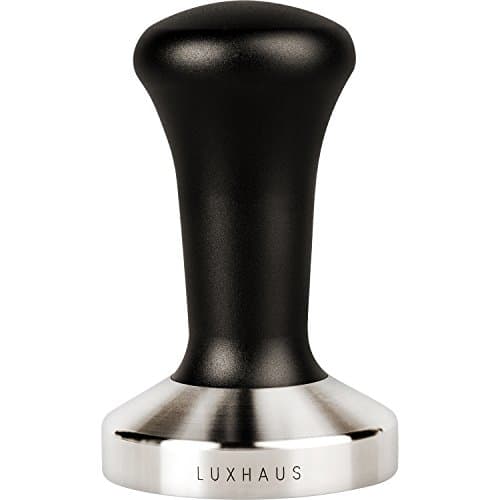
    LuxHaus LuxHaus 58mm Tamper
    LuxHaus 58mm Tamper

    The one piece you cannot skip, at a sane price: a flat 58mm stainless base heavy enough to tamp level without effort, and nothing else you are paying for.

    9.0Mandatory — buy this first
  • 02
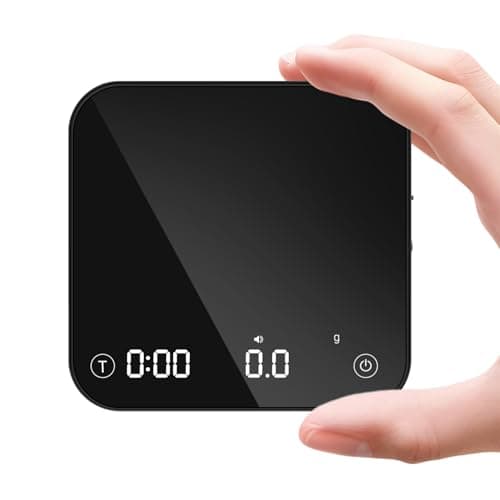
    Mini Mini Espresso Scale with Timer (0.1g)
    Mini Espresso Scale with Timer (0.1g)

    The cheapest large improvement in the kit: 0.1g resolution and a timer, in a footprint small enough to actually live on the drip tray instead of in a cupboard.

    8.8Near-mandatory — the consistency piece
  • 03
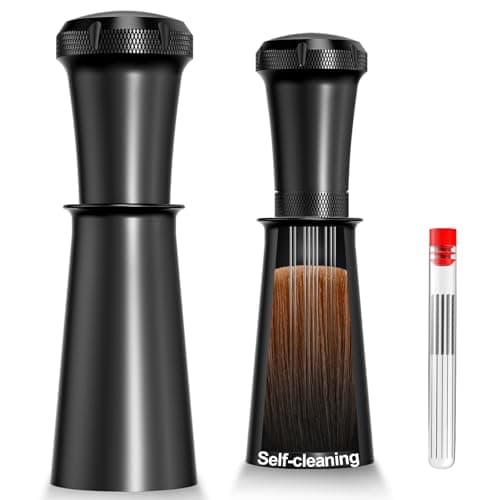
    Nessus Nessus WDT Espresso Distribution Tool
    Nessus WDT Espresso Distribution Tool

    The best value in the entire kit: a handful of fine needles that break up the clumps causing your channeling, for less than the price of a bag of good coffee.

    8.1Cheap and genuinely useful
  • 04
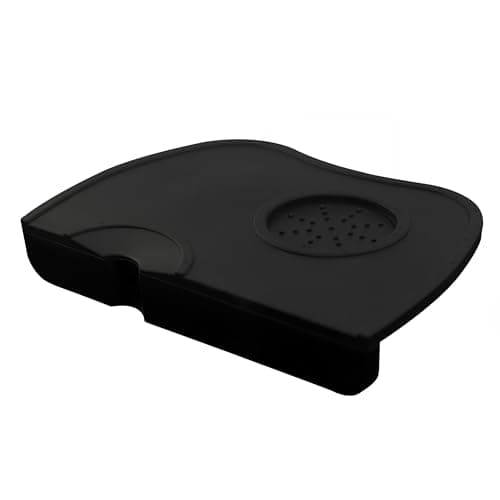
    Apexstone Apexstone Silicone Coffee Tamper Mat (8 x 6 inch)
    Apexstone Silicone Coffee Tamper Mat (8 x 6 inch)

    Pure quality of life and honestly labeled as such: it saves your countertop and gives the portafilter a grippy place to sit, and it changes nothing at all about the coffee.

    5.9Nice to have
  • 05
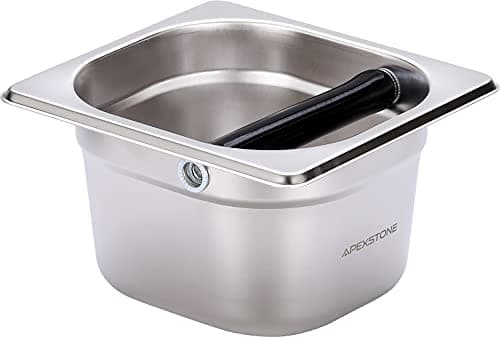
    Apexstone Apexstone Coffee Knock Box (6.9 inch)
    Apexstone Coffee Knock Box (6.9 inch)

    The most skippable thing on the list, and still a genuinely good version of itself: a stainless box with a padded bar that takes the spent puck without spraying grounds across the kitchen.

    5.6Convenience only — buy last

#ad · Live prices from the Amazon Product API, as of Sep 6, 2026. Where we have no verified live price, we show none — a gap beats a number that has rotted.

In detail

The picks, in full

01
LuxHaus LuxHaus 58mm Tamper

Mandatory — buy this first

LuxHaus 58mm Tamper

58mm flat stainless baseSolid weight, wooden handleNo calibration spring58mm baskets only
9.0/10

The one piece you cannot skip, at a sane price: a flat 58mm stainless base heavy enough to tamp level without effort, and nothing else you are paying for.

Necessity
10
Impact on the cup
8.5
Ease of use
8.5
Value
9

Pros

  • The diameter is the whole job and this one gets it right — a proper 58mm base leaves no gap around the puck for water to escape through
  • Heavy enough that the tamp comes from the tamper rather than from your shoulder, which is what makes tamps repeatable
  • Costs a fraction of a calibrated tamper and does the same fundamental job
  • Simple, sealed construction with nothing to wear out or come loose

Cons

  • Not calibrated, so consistency comes from your hands rather than a click — you will develop a feel for it, but it takes a few weeks
  • 58mm only; Breville owners need 53.3mm and many De'Longhi owners need 51mm, and neither is a substitute
  • The handle is a matter of taste and some people find a wooden handle slippery with wet hands

Don't buy this if…

you know you want a repeatable click from day one, or your basket is not 58mm. A calibrated spring tamper in the correct diameter is the better buy in both cases — our size guide names one per size.

The tamper is where the shopping list starts because the failure it prevents is total. If the base is smaller than the basket, the puck has a ring of loose coffee around its edge, water finds it immediately, and the shot channels — sour and bitter in the same cup, every single time, forever. No grinder or machine fixes that. Get the diameter right and you have removed the single most common cause of a bad home shot. The full ranking, including calibrated options, is our best espresso tampers roundup.

$24.99View on Amazon

Price as of Sep 6, 2026. Prices change — Amazon's at checkout is the one that counts.

#ad · we may earn a commission from this link to LuxHaus 58mm Tamper

02
Mini Mini Espresso Scale with Timer (0.1g)

Near-mandatory — the consistency piece

Mini Espresso Scale with Timer (0.1g)

0.1g / 2000gBuilt-in shot timerRechargeableSmall drip-tray footprint
8.8/10

The cheapest large improvement in the kit: 0.1g resolution and a timer, in a footprint small enough to actually live on the drip tray instead of in a cupboard.

Necessity
9
Impact on the cup
8.5
Ease of use
8.5
Value
9

Pros

  • 0.1g resolution is what makes a dose repeatable, and a repeatable dose is the precondition for every other adjustment being meaningful
  • The timer lets you check the standard target — roughly double the dose in liquid, in about 25 to 30 seconds — without a second device
  • Small enough to sit under the cup on most machines, which is the difference between a scale you use and one you own
  • Rechargeable rather than eating button cells

Cons

  • A small platform means a wide mug can obscure the readout
  • Not sealed against espresso drips, and a scale that lives on a drip tray will eventually meet one
  • Slower to settle than an expensive competition scale, so during a fast shot you are reading a number that lags slightly

Don't buy this if…

you already own any 0.1g kitchen scale that fits under your cup. It will do this job — the only real advantages here are the footprint and the built-in timer.

A scale does not make one shot better; it makes a good shot repeatable, and that is the harder problem. Weigh in, weigh out, note the time, change one thing. Without it, the standard advice — grind finer if the shot is fast and sour, coarser if it is slow and harsh — is unusable, because you have no idea whether the dose changed too. More options are in our coffee scales ranking.

$21.99View on Amazon

$23.998% off

Price as of Sep 6, 2026. Prices change — Amazon's at checkout is the one that counts.

#ad · we may earn a commission from this link to Mini Espresso Scale with Timer (0.1g)

03
Nessus Nessus WDT Espresso Distribution Tool

Cheap and genuinely useful

Nessus WDT Espresso Distribution Tool

Fine distribution needlesBuilt-in standWorks with any basket sizeLowest-cost fix here
8.1/10

The best value in the entire kit: a handful of fine needles that break up the clumps causing your channeling, for less than the price of a bag of good coffee.

Necessity
7.5
Impact on the cup
8
Ease of use
7.5
Value
9.5

Pros

  • Directly attacks channeling at its source — ground espresso clumps, and stirring the bed before tamping is the only thing that undoes that
  • Size-agnostic, so unlike almost everything else in this kit it works whatever basket you own
  • Takes about ten seconds per shot once it is a habit
  • Costs very little, which makes it the highest return per dollar on this page

Cons

  • Fiddly at first, and it is easy to overdo it and disturb the bed rather than settle it
  • Fine needles bend if you are heavy handed, and bent needles drag rather than stir
  • Does very little on a pressurized basket, where the basket rather than the puck controls resistance

Don't buy this if…

your machine uses a pressurized (dual-wall) basket. Those baskets create their own back-pressure, so puck distribution barely affects the result — spend the money on beans instead.

A WDT tool is the cheapest thing on this page and the one that most often produces a visible change — a bottomless portafilter that used to spray sideways starts pouring straight. If you are wondering whether you need one when you already have a tamper, the answer is that they fix different problems, which we lay out in WDT tool vs tamper. The full ranking is our best WDT tools roundup.

$9.99View on Amazon

Price as of Sep 6, 2026. Prices change — Amazon's at checkout is the one that counts.

#ad · we may earn a commission from this link to Nessus WDT Espresso Distribution Tool

04
Apexstone Apexstone Silicone Coffee Tamper Mat (8 x 6 inch)

Nice to have

Apexstone Silicone Coffee Tamper Mat (8 x 6 inch)

8 x 6 inch siliconeFlat, not corneredDishwasher safeNo effect on the shot
5.9/10

Pure quality of life and honestly labeled as such: it saves your countertop and gives the portafilter a grippy place to sit, and it changes nothing at all about the coffee.

Necessity
4
Impact on the cup
2
Ease of use
9
Value
8.5

Pros

  • Stops a metal portafilter from marking a stone or laminate counter, which is a real repair cost avoided for very little money
  • Grippy enough that the portafilter does not slide while you lean on it, which makes a level tamp easier
  • Wipes or rinses clean in seconds, unlike a wooden tamping station
  • Cheap enough that it is not competing with anything important in your budget

Cons

  • Changes nothing about the espresso — this is comfort and counter protection, and we would rather say so
  • A flat mat gives the portafilter no vertical support, so a corner-style mat is easier if you tamp hard
  • Silicone attracts coffee dust and looks grubby quickly on a light counter

Don't buy this if…

your budget is tight and any piece above this one is still missing. A folded towel does the counter-protection job free; the tamper, scale and WDT tool do not have free substitutes.

We have ranked this fourth on purpose and scored it honestly. A mat is a pleasant thing to own and it protects a counter that costs a great deal more than the mat does. It does not improve extraction, it does not improve consistency, and any list that presents it alongside a tamper as equally essential is selling you a boxed set rather than advising you.

$8.99View on Amazon

Price as of Sep 6, 2026. Prices change — Amazon's at checkout is the one that counts.

#ad · we may earn a commission from this link to Apexstone Silicone Coffee Tamper Mat (8 x 6 inch)

05
Apexstone Apexstone Coffee Knock Box (6.9 inch)

Convenience only — buy last

Apexstone Coffee Knock Box (6.9 inch)

Stainless steel bodyPadded knock bar6.9 inch — countertop sizeRemovable bar for cleaning
5.6/10

The most skippable thing on the list, and still a genuinely good version of itself: a stainless box with a padded bar that takes the spent puck without spraying grounds across the kitchen.

Necessity
3.5
Impact on the cup
2
Ease of use
9
Value
8

Pros

  • Knocking a puck into a bin lid usually means grounds everywhere; a padded bar at the right height solves that completely
  • Stainless rather than plastic, so it does not stain or hold coffee odor
  • The bar unscrews, which is the difference between a knock box you can clean and one that gets grim
  • Cheap for a stainless item and a reasonable countertop size

Cons

  • Solves a tidiness problem, not a coffee problem — this is the definition of optional
  • Takes permanent counter space next to a machine that already takes plenty
  • A bin and a firm wrist genuinely does the same job for nothing

Don't buy this if…

counter space is tight or the budget is finite. Every other item on this page earns its place ahead of this one, and a compost caddy does the job for free.

Ranked last, and we would still rather own one than not. The honest framing is that a knock box buys you a tidier counter and about ten seconds a day, and nothing else. If you want the full range including drawer-style boxes that sit under the machine, that is our best knock boxes roundup.

$14.99View on Amazon

Price as of Sep 6, 2026. Prices change — Amazon's at checkout is the one that counts.

#ad · we may earn a commission from this link to Apexstone Coffee Knock Box (6.9 inch)

Buy in this order, and stop when the budget runs out

The value of this list is the sequence rather than the contents. Tamper first, because a mismatched or missing tamper guarantees a bad puck. Scale second, because without measured dose and yield every troubleshooting instruction you read online is unusable. Distribution tool third, because it is cheap and it attacks the same failure the tamper does from the other side. Mat and knock box last, because they improve your counter rather than your coffee. If you can only afford two things, buy the first two and stop — a kit missing its mat still makes excellent espresso, and a kit missing its tamper does not.

What the twelve-piece boxed sets get wrong

Boxed espresso kits look like value because the piece count is high, and they usually fail on exactly the thing that matters most: the tamper diameter is generic rather than matched to your basket, and it is frequently a loose 51mm or an undersized 58mm that leaves a gap. They also pad the count with items nobody needs — a dosing ring you will use twice, a spoon, a second brush. The right kit is four or five correctly sized pieces, and it usually costs less than the boxed alternative.

Pressurized baskets change this list

If your machine came with a dual-wall or pressurized basket — common on machines under about $300 — the basket itself creates the back-pressure that makes crema, rather than the coffee puck. That is a deliberate design choice that makes cheap machines forgiving, and it also means puck preparation barely matters: distribution tools and precise tamping have very little to work with. On a pressurized setup, buy the tamper and the scale, skip the WDT tool, and put the difference into fresher beans. The full explanation is in pressurized vs non-pressurized portafilters.

What we deliberately left out

A bottomless portafilter is genuinely useful, but as a diagnostic rather than a permanent part of the kit — it shows you where your puck is failing and it makes a mess while it teaches you. It belongs in a second wave of buying, and our bottomless portafilter roundup covers it. A puck screen keeps the shower screen cleaner and marginally evens the incoming water; it is a maintenance nicety, not a starter item, and it is covered in best puck screens. A milk pitcher is essential if you drink lattes and irrelevant if you do not, which is why it is not on a general starter list — see milk frothing pitchers if that is you.

Sizing, one more time, because it is the returns line

The tamper and every basket-specific item must match your machine. Measure the inside diameter of your basket with a ruler before ordering. Breville machines are 54mm baskets taking a 53.3mm tamper; the Gaggia Classic and most commercial-style machines are 58mm, usually best served by a 58.5mm tamper; many De'Longhi models are 51mm. Our tamper size guide lists this by machine, and the fitment pages for the two big sizes are Breville 54mm and 58mm.

How we picked

We did not lab-test this gear

Everyone in this category says they tested twenty machines. We have not lab-tested any of these, and we say so. What we did instead: compiled the published manufacturer specifications, read the manuals, ran the math where there was math to run (heat-up time, pressure, dose capacity, grind range, cost per cup), and scored each pick against a published rubric. The scores are judgments from documented research — not measurements we took, because we do not have a lab and we will not pretend we do. Where a number came from someone else's work, we name them in Sources.
Questions

Frequently asked

What espresso accessories do I actually need?
Two things genuinely: a tamper that matches your basket diameter, and a 0.1g scale. A distribution tool is a cheap third that attacks the same problem as the tamper. A mat and a knock box are comfort items that do not change the coffee.
Are boxed espresso accessory kits worth it?
Usually not. They win on piece count and lose on the only spec that matters — the tamper is generic rather than matched to your basket size, so the most important item in the box is the one most likely to be wrong. Four correctly sized pieces beat twelve generic ones.
Do I need a WDT tool if I have a tamper?
They do different jobs. A WDT tool breaks up clumps so the coffee is evenly distributed; a tamper compresses that bed level. Distribution before compression is the order, and a tamper cannot fix a clumped bed. The exception is a pressurized basket, where neither matters much.
What size tamper do I need?
Measure the inside of your portafilter basket. Breville machines use 54mm baskets and take a 53.3mm tamper; the Gaggia Classic and most commercial-style machines are 58mm and are best served by a 58.5mm tamper; many De'Longhi models are 51mm.
Can I skip the knock box?
Yes. It buys a tidier counter and a few seconds a day, and nothing else. Knocking the puck into a bin works perfectly well — it is just messier.
Does a tamping mat improve espresso?
No. It protects the countertop, gives the portafilter a grippy place to sit and makes tamping more comfortable. Those are real benefits and none of them is in the cup.

Keep reading

Receipts

Sources

We do not run a testing lab, and we do not pretend to. Where a measured number came from someone else's work, we name them and link them. Where we could not verify something, we say so on the page rather than quietly leaving it out. Read our full method.