A home espresso setup is not one purchase, it is a sequence, and the order matters far more than the total. Almost everyone starts at the machine, gets shots that run too fast or taste sour, and then goes shopping for another machine. That is nearly always the wrong next purchase. This page is the map of what to buy after the machine, ordered by how much each step changes the cup per dollar spent — with the cluster of detailed guides linked at every stage.
The logic behind the order is simple and worth stating once. Espresso is water forced through a compacted bed of coffee, so everything that decides the shot happens in that bed: how evenly the coffee is ground, how much of it you use, and how evenly it is packed. A machine controls pressure and temperature, which matter, but they are the variables that are already roughly right on almost any machine. The variables that are wrong on a beginner setup are grind consistency, dose accuracy and puck preparation — and all three are fixed with equipment that costs a fraction of a machine upgrade.
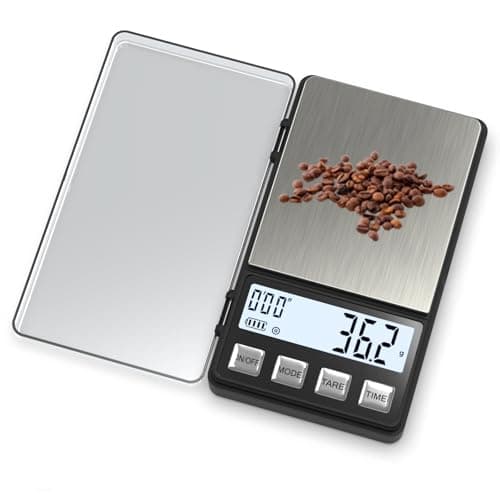
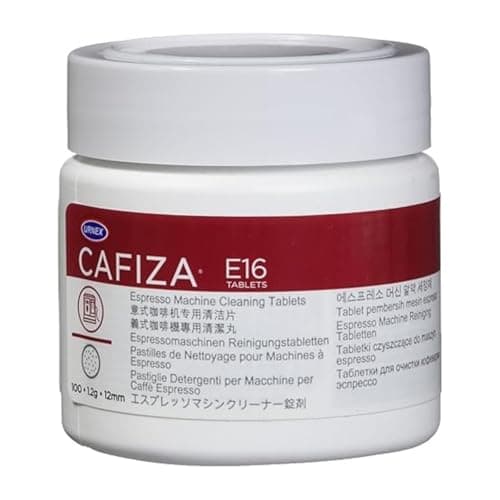
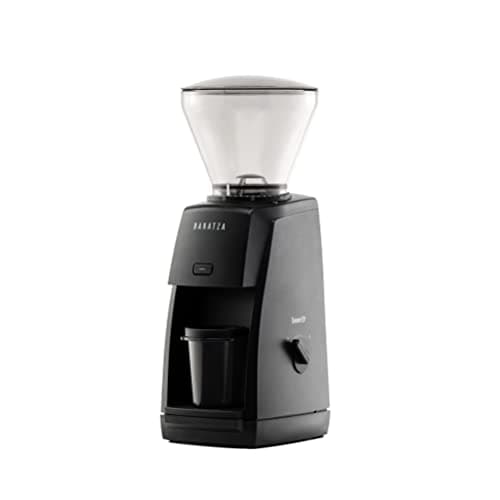
So the sequence is: grinder, then scale, then puck prep, then maintenance. The three picks below are the anchor purchases at each stage, ranked by impact per dollar rather than by price. Below them is the full stage-by-stage guide, and the accessory cluster that goes with it — the starter accessory kit, the tamper size guide (get this wrong and nothing else helps), and the fitment pages for Breville 54mm and 58mm machines.
Stage 1 — the grinder, before anything else
If your shots are inconsistent, the grinder is the cause far more often than the machine. Espresso needs a very fine, very even grind and needs it adjustable in small steps, because the difference between a shot that gushes in eight seconds and one that runs correctly is a fraction of a turn. Grinders built for drip coffee cannot make that adjustment — they are not defective, they simply do not have the resolution at the fine end. This is why we say on every machine page that a cheaper machine plus a real grinder beats an expensive machine plus a cheap one. Start at best espresso grinders, or if your budget is tight, at budget grinders — and if you want the grinder and tamper chosen together as a matched pair, that is exactly what our grinder and tamper pairings page does.
Stage 2 — the scale, because you cannot fix what you cannot measure
Espresso is a ratio. The widely used starting point is roughly 1:2 — about 18g of coffee in, about 36g of espresso out, in about 25 to 30 seconds. Every one of those numbers is invisible without a scale, which means every adjustment you make is a guess about a shot you did not measure. A 0.1g scale with a timer is the cheapest item in this whole sequence and it is the one that turns troubleshooting from superstition into arithmetic. If your shot runs fast and tastes sour, grind finer. Slow and harsh, grind coarser. Neither instruction means anything until the dose is fixed.
Stage 3 — puck prep, which is where the cheap wins live
Once the grind and dose are under control, the remaining variable is how evenly the coffee sits in the basket before the water arrives. Ground coffee clumps, and a clumped bed lets water carve a channel through the weak spot instead of soaking through everything — that is channeling, and it produces a shot that tastes sour and bitter at the same time. The fixes are inexpensive: a distribution (WDT) tool to break the clumps, a tamper that actually matches your basket to pack the bed level, and optionally a puck screen to keep the shower screen clean. The whole shopping list, in order of necessity, is our starter accessory kit, and if you are not sure whether you need both a WDT tool and a tamper, we answer that directly in WDT tool vs tamper.
The one thing that must be right before you buy any of it: basket size
Almost every accessory in stage three is size-specific, and buying the wrong diameter is the most common and most annoying mistake in this category. Commercial-style machines and the Gaggia Classic use a 58mm basket. Breville machines use a 54mm basket, which takes a 53.3mm tamper. Many De'Longhi models use 51mm. A tamper that is too small leaves a ring of loose grounds for the water to blast through; one that is too large will not seat at all. Measure the inside of your basket before you order anything, and use the tamper size guide if you are not certain. The fitment pages for the two dominant sizes are Breville 54mm accessories and 58mm accessories.
Stage 4 — maintenance, and the difference between cleaning and descaling
These are two different jobs and mixing them up is why some machines slowly stop making good coffee. Cleaning removes coffee oils from the group head, portafilter and baskets, and it is a weekly job with a detergent-type product. Descaling removes mineral scale from the boiler and water path, and it is a quarterly job on typical municipal water with an acid-type descaler. Oil buildup makes shots taste harsh; scale insulates the heating element and drops brew temperature, which makes shots taste sour. If your coffee has slowly gone downhill and the grind has not changed, it is almost always one of these two.
What to skip, honestly
Not everything sold as an espresso accessory earns a place. A bottomless portafilter is a brilliant diagnostic — it shows you exactly where your puck is failing — but it is a learning tool, not a permanent upgrade, and it makes a mess while you learn. A knock box is convenience, not quality; a bin and a bit of care do the same job. A tamping mat protects your counter and your wrist and changes nothing about the coffee. Pressure gauges, bottomless baskets and dosing rings are all fine purchases once the first three stages are done and genuinely wasted before that. The order is the point: each stage fixes something the next one depends on.
How we picked
We did not lab-test this gear
Everyone in this category says they tested twenty machines. We have not lab-tested any of these, and we say so. What we did instead: compiled the published manufacturer specifications, read the manuals, ran the math where there was math to run (heat-up time, pressure, dose capacity, grind range, cost per cup), and scored each pick against a published rubric. The scores are judgments from documented research — not measurements we took, because we do not have a lab and we will not pretend we do. Where a number came from someone else's work, we name them in Sources.