Picking a brand is a different decision from picking a bag. A bag is one roast of one coffee; a brand is a promise about every bag you buy for the next year — how fresh it will be, whether you can find out where it came from, whether there is a decaf and a light roast when you want one, and what a pound actually costs you. This page ranks brands on those four things, then names one representative bag per brand so you can act on it today.
Here is the rubric, stated before the picks so you can disagree with it. Freshness policycomes first, because it is the only criterion that reliably separates good coffee from mediocre coffee: a brand that prints a roast date is telling you what you are buying, and a brand that prints only a “best by” date is not. Stumptown says plainly that its coffee “usually tastes best within two weeks of its roast date” and that quality “really starts drop off after the 30-day mark” — that is a company publishing the honest shelf life of its own product, and almost no supermarket brand will. Sourcing transparency is second: can you find the country, the region, the co-op, the certification? Range is third — a brand you can standardize on has to cover dark and light, whole bean and decaf, or you end up shopping three brands anyway. Value is last and is measured per pound, not per bag, because bag sizes here run from 10 ounces to 2.2 pounds and the sticker price hides a three-fold difference.
One thing the rubric deliberately does not include is taste, because taste is personal and a “best brand” list that ranks flavor is really one person’s preference wearing a lab coat. What we can tell you is roast style, so every pick names it plainly. And one caveat applies to all ten: a bag bought from a supermarket shelf or a marketplace warehouse is almost always older than the same bag bought direct from the roaster, however good the roaster is. If freshness is your priority, buy direct and buy small. If convenience is your priority — and for most people it honestly is — pick a brand whose worst day is still good, which is exactly what the top of this list is for. Whichever you land on, a burr grinder will do more for the cup than trading up a brand, and if you want individual bags ranked rather than brands, our best coffee beans roundup does that instead.
The short answer
Quick picks
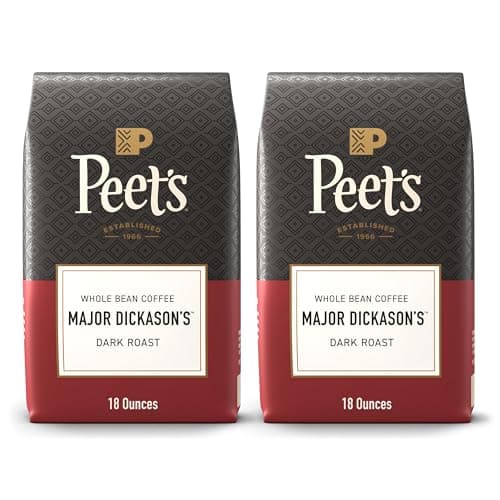
01Peet's CoffeeThe best all-round brand for most people: a deep, consistent house style you can buy anywhere, a range that covers espresso, decaf and single origins, and a roastery that ships direct when you want it fresher than the supermarket shelf.
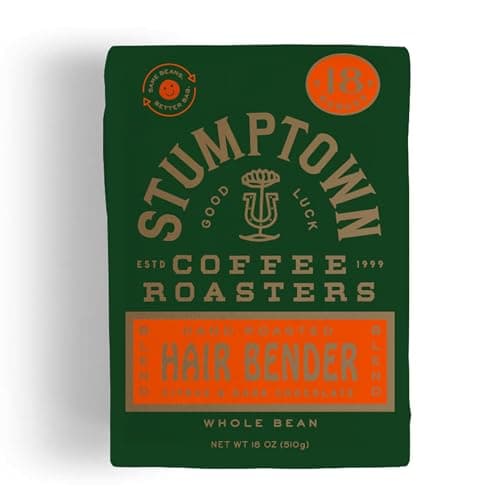
02Stumptown Coffee RoastersThe brand that is most honest about freshness: Stumptown prints a roast date, publishes the window in which its own coffee tastes best, and admits quality falls off after a month — more than almost any brand on this page will say out loud.
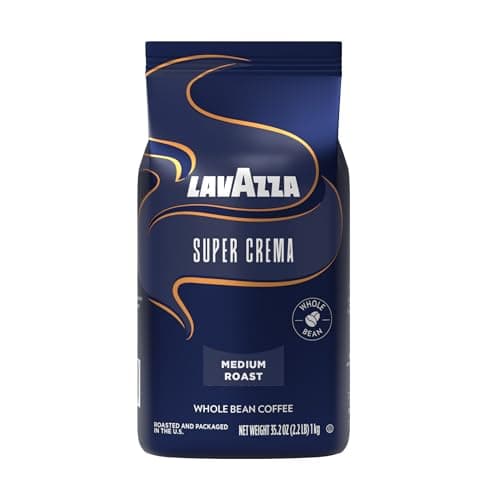
8.3Best for roast-date honesty 03LavazzaThe best brand to standardize on if espresso is the point: an Italian house style built around crema and forgiveness, sold in 2.2 lb bags that make the price per pound one of the lowest here for whole-bean espresso coffee.
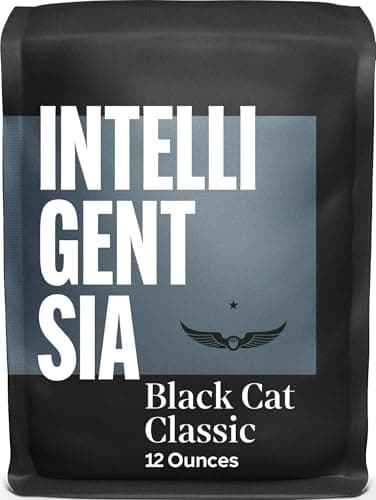
8.2Best brand for espresso 04Intelligentsia CoffeeThe specialty brand for people who want espresso that tastes like fruit rather than chocolate — one of the original US Direct Trade roasters, with the sourcing detail on the product page rather than buried in a sustainability report.
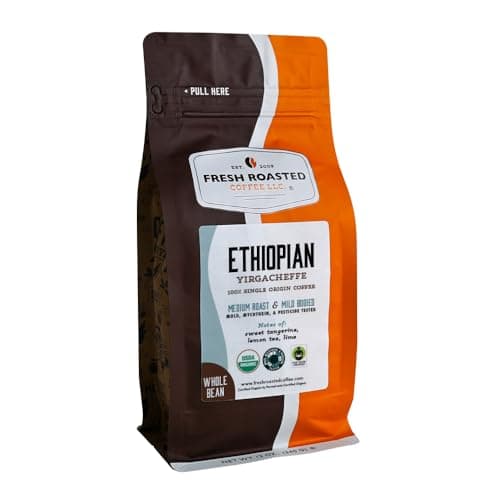
8.0Best specialty brand for light roast 05Fresh Roasted CoffeeSpecialty-style freshness at supermarket-adjacent prices: the company states it roasts to order, nitrogen-flushes and ships within days, and it calls out third-party testing on the listings that carry it.
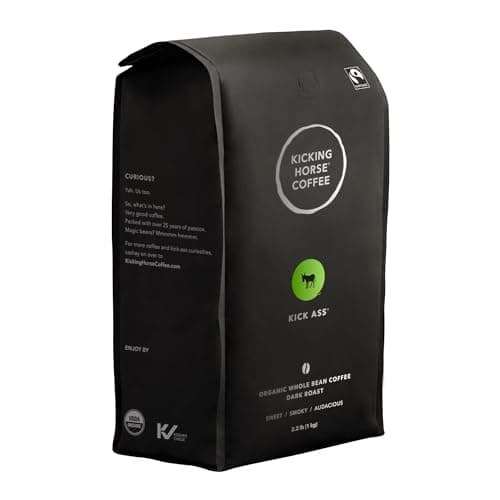
7.9Best value specialty brand 06Kicking Horse CoffeeThe easiest brand to buy if certification is your deciding factor: every bag is certified organic and Fairtrade, sourced from co-ops the company names, so you do not have to audit each coffee individually.
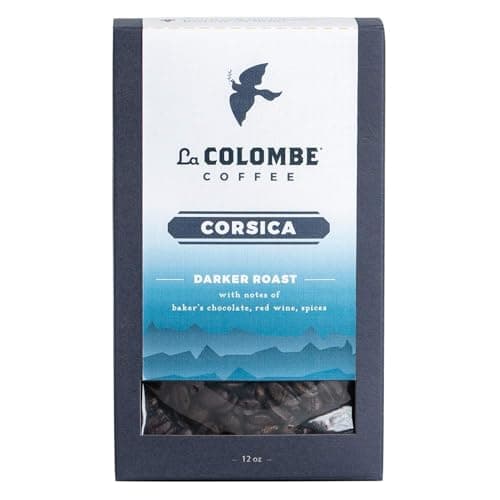
7.7Best certified organic and Fairtrade brand 07La ColombeCafe-quality roasting at a supermarket price: a 12 oz bag of the blend that has been on drip in La Colombe's own cafes for over thirty years, usually for less than a specialty 12 oz costs.
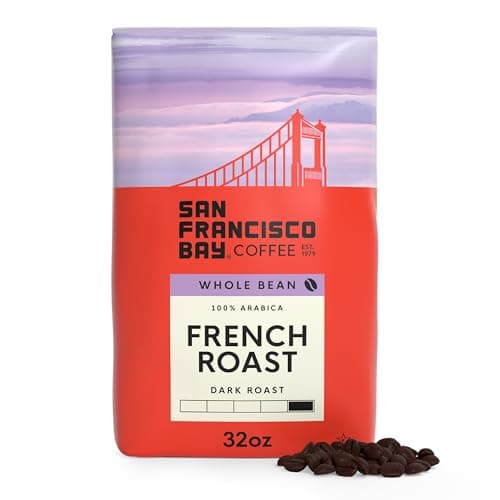
7.5Best cafe brand at grocery prices 08San Francisco Bay CoffeeThe cheapest whole-bean coffee here that is still worth grinding: a family-owned California roaster selling 2 lb bags at a price per pound the specialty brands cannot approach.
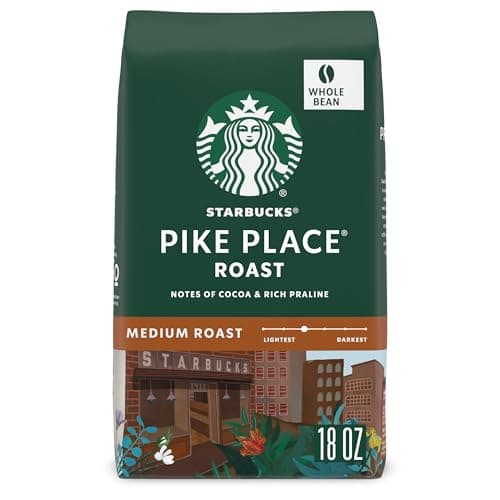
09StarbucksThe most available and most predictable coffee brand in America — included precisely because everyone can buy it, and ranked honestly because ubiquity is what you are paying for, not freshness.
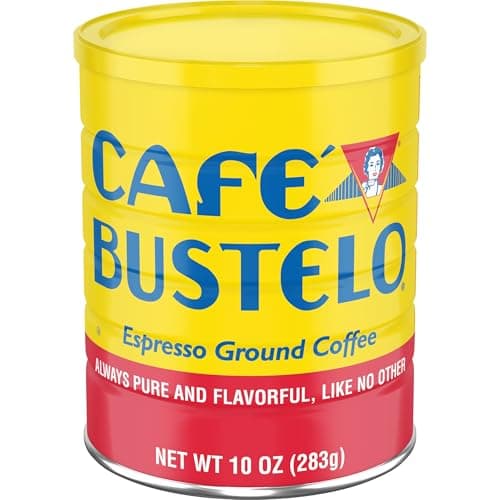
7.0Best for availability and predictability 10Café BusteloThe cheapest legitimate coffee on this page and a genuine classic: an espresso-style dark roast, ground fine for moka pots and stovetop brewing, at a price no whole-bean brand can touch.
| # | Product | Best for | Score | Price |
|---|
| 01 | Peet's CoffeeThe best all-round brand for most people: a deep, consistent house style you can buy anywhere, a range that covers espresso, decaf and single origins, and a roastery that ships direct when you want it fresher than the supermarket shelf. | Best brand overall | | $33.72·Amazon |
| 02 | Stumptown Coffee RoastersThe brand that is most honest about freshness: Stumptown prints a roast date, publishes the window in which its own coffee tastes best, and admits quality falls off after a month — more than almost any brand on this page will say out loud. | Best for roast-date honesty | | $18.95·Amazon |
| 03 | LavazzaThe best brand to standardize on if espresso is the point: an Italian house style built around crema and forgiveness, sold in 2.2 lb bags that make the price per pound one of the lowest here for whole-bean espresso coffee. | Best brand for espresso | | $26.99·Amazon |
| 04 | Intelligentsia CoffeeThe specialty brand for people who want espresso that tastes like fruit rather than chocolate — one of the original US Direct Trade roasters, with the sourcing detail on the product page rather than buried in a sustainability report. | Best specialty brand for light roast | | $14.99·Amazon |
| 05 | Fresh Roasted CoffeeSpecialty-style freshness at supermarket-adjacent prices: the company states it roasts to order, nitrogen-flushes and ships within days, and it calls out third-party testing on the listings that carry it. | Best value specialty brand | | $21.98·Amazon |
| 06 | Kicking Horse CoffeeThe easiest brand to buy if certification is your deciding factor: every bag is certified organic and Fairtrade, sourced from co-ops the company names, so you do not have to audit each coffee individually. | Best certified organic and Fairtrade brand | | $43.99·Amazon |
| 07 | La ColombeCafe-quality roasting at a supermarket price: a 12 oz bag of the blend that has been on drip in La Colombe's own cafes for over thirty years, usually for less than a specialty 12 oz costs. | Best cafe brand at grocery prices | | $12.89·Amazon |
| 08 | San Francisco Bay CoffeeThe cheapest whole-bean coffee here that is still worth grinding: a family-owned California roaster selling 2 lb bags at a price per pound the specialty brands cannot approach. | Best price per pound | | $18.99·Amazon |
| 09 | StarbucksThe most available and most predictable coffee brand in America — included precisely because everyone can buy it, and ranked honestly because ubiquity is what you are paying for, not freshness. | Best for availability and predictability | | $13.24·Amazon |
| 10 | Café BusteloThe cheapest legitimate coffee on this page and a genuine classic: an espresso-style dark roast, ground fine for moka pots and stovetop brewing, at a price no whole-bean brand can touch. | Best budget brand | | $7.14·Amazon |
#ad · Live prices from the Amazon Product API, as of Sep 8, 2026. Where we have no verified live price, we show none — a gap beats a number that has rotted.
In detail
The picks, in full
Best brand overall
Peet's Coffee
Est. 1966House style: darkFull range incl. decafSupermarket + direct
The best all-round brand for most people: a deep, consistent house style you can buy anywhere, a range that covers espresso, decaf and single origins, and a roastery that ships direct when you want it fresher than the supermarket shelf.
- Freshness policy
- 7
- Sourcing transparency
- 8
- Range
- 9.5
- Consistency
- 9.5
- Value
- 8
Pros
- +The most consistent dark house style in the supermarket aisle — bag to bag, year to year
- +Range is genuinely complete: house blends, single origins, espresso, decaf, whole bean and ground
- +Peet's own roastery ships direct and states it roasts Monday to Friday, so buying direct gets you a fresher bag than the shelf
- +Widely stocked, so restocking never becomes a project
Cons
- −Retail bags carry a best-by date, not a roast date, so a supermarket bag's age is a guess
- −The house style is unapologetically dark — light-roast drinkers will find most of the range roasted past what they like
- −Direct-from-roastery pricing is noticeably higher than the same blend on a grocery shelf
Don't buy this if…
…you drink light, fruit-forward specialty coffee — Peet's is a dark-roast house at heart, and buying it hoping for brightness means fighting the brand's entire style.
Peet’s has been roasting since 1966 and the house style has barely moved, which is the whole argument for it as a default brand: you know what a Peet’s bag tastes like before you open it. Major Dickason’s Blend is the representative bag — Peet’s own listing puts it at 75 out of 100 on its light-to-dark scale, sourced from the Americas and the Indo-Pacific, with tasting notes given as “Earth, Spice, Everything.” That is a rich, rounded dark roast that behaves in a drip machine, a French press or a portafilter, which is why it is the bag a lot of people never bother replacing. The brand scores high here on range and consistency and mid on freshness: the direct-from-roastery channel is genuinely fresh, but the grocery bag most people actually buy prints a best-by date and tells you nothing about its age.
Best for roast-date honesty
Stumptown Coffee Roasters
Portland, ORRoast date printedHouse style: mediumSpecialty pricing
The brand that is most honest about freshness: Stumptown prints a roast date, publishes the window in which its own coffee tastes best, and admits quality falls off after a month — more than almost any brand on this page will say out loud.
- Freshness policy
- 9.5
- Sourcing transparency
- 9
- Range
- 7.5
- Consistency
- 8.5
- Value
- 7
Pros
- +Prints a roast date and states the honest window — best within two weeks, quality dropping after 30 days
- +The flagship blend is genuinely global: Central and South America, East Africa and Indonesia in one cup
- +A medium house style that suits both filter and espresso, which is rarer than it sounds
- +Specialty quality that is still easy to buy without committing to a subscription
Cons
- −Specialty pricing per pound — meaningfully more than the supermarket brands below
- −A roast date only helps if the bag is fresh, and marketplace stock can be weeks old before it ships
- −The range is narrower than the supermarket brands: fewer decaf and value options
Don't buy this if…
…you want the cheapest good coffee — Stumptown's freshness discipline is real, but you pay for it, and a fresher supermarket bag at half the price beats a stale specialty bag every time.
Stumptown is ranked here largely on one criterion, and it is the criterion that matters most. The company publishes the awkward truth about its own product — that coffee “usually tastes best within two weeks of its roast date” and that quality “really starts drop off after the 30-day mark” — and then prints the roast date so you can check. Hair Bender is the representative bag: Stumptown describes it as a global blend of coffees from Central and South America, East Africa and Indonesia, with notes of citrus, dark chocolate and raisin and a subtle floral sweetness. It sits in the middle of the roast spectrum, which is why it works as filter coffee in the morning and as espresso in the afternoon. The honest limit is that a roast date only helps if the number on the bag is recent — check it when it arrives, and order the size you will finish in a fortnight rather than the biggest one.
Best brand for espresso
Lavazza
Italian espresso houseArabica + Robusta blends2.2 lb bagsMedium roast
The best brand to standardize on if espresso is the point: an Italian house style built around crema and forgiveness, sold in 2.2 lb bags that make the price per pound one of the lowest here for whole-bean espresso coffee.
- Freshness policy
- 6
- Sourcing transparency
- 7
- Range
- 9.5
- Consistency
- 9.5
- Value
- 9
Pros
- +Blends are built for espresso, so crema and body arrive before your grind is perfectly dialed in
- +2.2 lb bags put the price per pound well below the specialty brands
- +Enormous distribution — you can restock the same blend almost anywhere in the US
- +The espresso range spans mild to intensely dark, so you can move within the brand rather than leaving it
Cons
- −No roast date on retail bags, and US stock moves slowly enough that age is a real variable
- −The naming is genuinely confusing — Super Crema, Gran Crema, Gran Espresso and Crema e Gusto are different coffees with near-identical names
- −Robusta in the blends builds crema but flattens the aromatics light-roast drinkers actually want
Don't buy this if…
…you brew filter coffee almost exclusively — these blends are built for the pressure and short contact time of espresso, and they read as flat and heavy through a paper filter.
Lavazza is the brand to pick if your coffee life runs through a portafilter. Super Crema is the representative bag and the one a lot of home espresso setups end up on: Lavazza lists it as a medium roast Arabica and Robusta blend with notes of roasted hazelnut and brown sugar, sold in a 2.2 lb bag. The Robusta is the point rather than a compromise — it is what gives the shot a thick, persistent crema even on a machine and grinder that are not fully dialed in, which is exactly what a beginner needs and exactly what an experienced drinker chasing floral acidity will dislike. Where the brand loses points is freshness and naming. There is no roast date, and the range contains at least four similarly named “crema” blends that are not interchangeable, so buy by the exact name rather than the family. If you want the shortlist of espresso-specific bags across all brands, our best coffee beans for espresso roundup covers it.
Best specialty brand for light roast
Intelligentsia Coffee
Founded 1995, ChicagoDirect Trade pioneerHouse style: light12 oz bags
The specialty brand for people who want espresso that tastes like fruit rather than chocolate — one of the original US Direct Trade roasters, with the sourcing detail on the product page rather than buried in a sustainability report.
- Freshness policy
- 9
- Sourcing transparency
- 9.5
- Range
- 7
- Consistency
- 8.5
- Value
- 6
Pros
- +Sourcing detail is published per coffee — origin, region, process and how long the producer relationship has run
- +A Direct Trade pioneer rather than a brand that adopted the language later
- +The light-roast espresso house style is genuinely distinct from everything else on this page
- +12 oz bags are the right size to actually finish inside the freshness window
Cons
- −Light-roast espresso is the least forgiving coffee here — it needs a capable grinder and real dialing in
- −12 oz is the standard size, so the price per pound is the highest on this list
- −The range is small and rotates, so a coffee you love may not be there next season
Don't buy this if…
…you want a bag that just works on a pressurized basket and a budget grinder — this is coffee that rewards equipment and effort, and punishes neither being present.
Intelligentsia was founded in Chicago in 1995 and helped invent the Direct Trade model that half the industry now advertises, and it still does the thing that makes the claim checkable: the product page names the country, the region, the process and the length of the producer relationship. Black Cat Classic Espresso is the representative bag, described by Intelligentsia as its lightest espresso, “syrupy sweet, with vivid fruit acidity,” with notes of cherry, cola and orange; the lot listed at the time of writing is a washed coffee from Dota in San José, Costa Rica, from a direct trade partner since 2005. Understand what you are buying: a light espresso is demanding coffee that will taste sour on a machine that cannot hold temperature or a grinder that cannot go fine enough in small steps. On the right setup it is the most interesting shot on this page. On the wrong one Lavazza will make you happier, and we would rather say so than sell you the upgrade. Our best espresso grinders page is the honest prerequisite.
Best value specialty brand
Fresh Roasted Coffee
Roasted to orderNitrogen flushedOrganic + tested lines12 oz to 5 lb
Specialty-style freshness at supermarket-adjacent prices: the company states it roasts to order, nitrogen-flushes and ships within days, and it calls out third-party testing on the listings that carry it.
- Freshness policy
- 9
- Sourcing transparency
- 8
- Range
- 8.5
- Consistency
- 7.5
- Value
- 6.5
Pros
- +States it roasts fresh to order and ships within days of roasting, which few brands at this price will claim
- +Certified organic across much of the catalog, with third-party mold, mycotoxin and pesticide testing called out on those listings
- +Sizes run from 12 oz up to 5 lb, so you can buy a taster and then commit
- +Covers light single origins as readily as dark blends — an unusually wide roast spread for the price
Cons
- −The catalog is enormous and poorly differentiated, so choosing is harder than it should be
- −Roast-to-order applies to the roastery; a marketplace listing may ship from existing stock instead
- −The house roasting is conservative — competent rather than exciting, especially on the light single origins
Don't buy this if…
…you want a brand to make the decision for you — this one rewards a reader who will actually compare origins and roast levels, and overwhelms one who will not.
Fresh Roasted Coffee is the value pick among brands that take freshness seriously. The company says its coffee is “roasted fresh to order in eco-friendly Loring™ Smart Roasters, immediately packaged, nitrogen flushed, and shipped directly to your door,” typically a few days after roasting — a specialty-roaster process description at a price closer to the grocery aisle. The representative bag is the organic Ethiopian Yirgacheffe light roast, whose listing also carries USDA Organic certification and third-party testing for mold, mycotoxins and pesticides. Two honest caveats. First, the roast-to-order promise belongs to the roastery; a bag pulled from marketplace inventory was not necessarily made to order, so check the date on arrival. Second, the catalog is vast and quality across it is even rather than exceptional — this is a brand that reliably gets you to “good,” not one that will produce the best cup you have ever had.
Best certified organic and Fairtrade brand
Kicking Horse Coffee
Invermere, BC (1996)100% ArabicaOrganic + Fairtrade range-wideHouse style: dark
The easiest brand to buy if certification is your deciding factor: every bag is certified organic and Fairtrade, sourced from co-ops the company names, so you do not have to audit each coffee individually.
- Freshness policy
- 6.5
- Sourcing transparency
- 9.5
- Range
- 7
- Consistency
- 8.5
- Value
- 7
Pros
- +Organic and Fairtrade across the whole range, so the certification decision is made once rather than per bag
- +Names the origin countries it buys from — Peru, Colombia, Sumatra, East Timor, Uganda, Guatemala, Nicaragua, Mexico, Honduras and Ethiopia
- +100% Arabica throughout, unusual for a brand pitched this boldly
- +The 2.2 lb bag brings the price per pound close to supermarket territory
Cons
- −The house style leans dark across most of the range, so there is little to move to if you want brightness
- −No roast date on retail bags
- −A 2.2 lb bag of dark roast is a long commitment if you turn out not to like it — the 10 oz bag is the safer first buy
Don't buy this if…
…certification is not something you are willing to pay for — you can get comparable dark-roast flavor for less per pound from the supermarket brands lower down this list.
Kicking Horse has roasted in Invermere, British Columbia since 1996, and its distinguishing feature as a brand is that you do not have to check the certification bag by bag: the company states that all of its beans are Arabica, Fairtrade and organic, bought from certified co-ops in a list of origins it publishes by name. Kick Ass is the representative bag — a dark roast with flavor notes the company gives as chocolate, malt, molasses and licorice with an earthy lingering finish, sold here as a 2.2 lb whole-bean bag that is also certified kosher. It scores at the top of this page on sourcing and near the bottom on freshness, which is the honest trade: certification tells you how the coffee was grown and traded, and nothing at all about how long it has been sitting. If certified organic is the whole reason you are here, our best organic coffee beans roundup ranks the individual bags.
Best cafe brand at grocery prices
La Colombe
Philadelphia roasterLatin American ArabicaHouse style: dark12 oz bags
Cafe-quality roasting at a supermarket price: a 12 oz bag of the blend that has been on drip in La Colombe's own cafes for over thirty years, usually for less than a specialty 12 oz costs.
- Freshness policy
- 6.5
- Sourcing transparency
- 7.5
- Range
- 7
- Consistency
- 8.5
- Value
- 8
Pros
- +The flagship blend is the coffee the company actually serves, not a supermarket-only formulation
- +12 oz whole-bean bags are commonly priced below specialty 12 oz bags
- +Dark without the ashy, burnt edge supermarket dark roasts usually carry
- +Widely stocked in grocery and online, so it is easy to restock
Cons
- −No roast date on retail bags
- −The retail range is narrow next to the supermarket brands — a handful of blends rather than a catalog
- −Brand attention has gone to canned draft lattes, and the whole-bean line gets less shelf space as a result
Don't buy this if…
…you want light, bright single origins — La Colombe's retail line is built around dark, chocolatey blends and there is not much else on the shelf.
La Colombe is the closest thing on this page to buying a cafe’s house coffee at grocery prices. Corsica is the representative bag and the company’s signature blend: La Colombe describes it as a dark roast of thoughtfully sourced specialty Arabica showcasing Latin American coffees, with notes of baker’s chocolate, red wine and spices, and says it has been on drip at its cafes and in some of America’s finest restaurants for over 30 years. In the cup that translates to a deep, chocolatey coffee that stays the right side of bitter — good black and better with a splash of milk. The reason it sits mid-table rather than higher is breadth and freshness: there is no roast date, and the retail whole-bean line is a short list of blends, so a household that wants a decaf, a light single origin and an espresso blend from one brand will have to shop elsewhere for two of the three.
Best price per pound
San Francisco Bay Coffee
Founded 1979Lincoln, CA2 lb whole-bean bags100% Arabica
The cheapest whole-bean coffee here that is still worth grinding: a family-owned California roaster selling 2 lb bags at a price per pound the specialty brands cannot approach.
- Freshness policy
- 6
- Sourcing transparency
- 7.5
- Range
- 8
- Consistency
- 7.5
- Value
- 7.5
Pros
- +The lowest price per pound of any whole-bean brand on this list
- +2 lb bags suit a household that gets through coffee quickly
- +Family-owned and open about it, with the founding story and the roastery location published
- +A wide enough range — organic, decaf, single origin and blends — to cover a whole household
Cons
- −No roast date, and 2 lb is more coffee than most people finish inside a freshness window
- −The flagship is a French roast, which is very dark and loses origin character by design
- −The brand's marketing energy goes into pods rather than whole bean, and the whole-bean packaging shows it
Don't buy this if…
…you drink under a cup a day — a 2 lb bag will be flat long before you reach the bottom, and a 12 oz bag from a fresher brand is the better buy at any price.
San Francisco Bay Coffee is the value brand for people who grind their own. The company says Jon and Barbara Rogers founded it in 1979, and it now roasts in Lincoln, California — a genuinely family-owned operation at a scale that lets it price 2 lb whole-bean bags well under what specialty roasters charge for 12 ounces. The representative bag is the French Roast, and it is worth being blunt about what that means: a French roast is taken far enough that the roast itself becomes the dominant flavor, so you get smoke, body and low acidity rather than any sense of where the coffee grew. That is a fair trade at this price, and it is what a lot of people want in a big morning mug. What you should not do is buy the 2 lb bag if you drink one cup a day; buy the smaller size, or accept that the last third of the bag will taste tired. A good storage container slows that down but does not stop it.
Best for availability and predictability
Starbucks
Pike Place created 2008100% ArabicaHouse style: darkSold everywhere
The most available and most predictable coffee brand in America — included precisely because everyone can buy it, and ranked honestly because ubiquity is what you are paying for, not freshness.
- Freshness policy
- 5.5
- Sourcing transparency
- 6.5
- Range
- 8.5
- Consistency
- 9.5
- Value
- 5
Pros
- +Available in essentially every US grocery store, which no other brand here can claim
- +Blended for consistency — Starbucks describes Pike Place as a blend where no single characteristic dominates or disappears
- +The whole-bean line is easy to find, so you are not forced into pre-ground
- +Predictable enough to be a safe gift or a safe office purchase
Cons
- −Roasted noticeably darker than most brands' idea of a medium, which flattens origin character
- −No roast date, and grocery inventory turns slowly on whole bean
- −Price per pound is high for a supermarket coffee — you are paying for the brand and the distribution
Don't buy this if…
…you already order coffee online — Starbucks' real advantage is that it is everywhere, and that advantage is worth nothing to someone who is not shopping in a grocery aisle.
Leaving Starbucks off a list of coffee brands would be dishonest — it is the brand most American households actually buy — so here it is, ranked on the same rubric as everything else. Pike Place Roast is the representative bag and the right one to judge the brand by: Starbucks says it was created in 2008 with its master blenders and roasters working alongside customers, that it is a blend of Latin American coffees with notes of cocoa and toasted nuts, and that it is blended so that no single characteristic dominates or disappears. That is an accurate description of both the appeal and the ceiling. The coffee is consistent and inoffensive, and it is roasted dark enough that plenty of drinkers who like it would call it a dark roast rather than a medium. It scores highest here on consistency and availability and lowest on value and freshness, which is the honest summary: you are buying a guarantee that today’s bag tastes like the last one, not a guarantee that either was fresh.
Best budget brand
Café Bustelo
Est. 1928, East HarlemEspresso-style dark roastPre-ground, fine10 oz can
The cheapest legitimate coffee on this page and a genuine classic: an espresso-style dark roast, ground fine for moka pots and stovetop brewing, at a price no whole-bean brand can touch.
- Freshness policy
- 5
- Sourcing transparency
- 5.5
- Range
- 6
- Consistency
- 8
- Value
- 8.5
Pros
- +The lowest entry price here by a wide margin — a 10 oz can costs less than a coffee shop latte
- +The fine, espresso-style grind is genuinely well matched to a moka pot or a Cuban-style cafecito
- +A real brand with a real history rather than a supermarket own-label
- +Sold in cans and vacuum bricks that keep pre-ground coffee usable longer than a paper bag would
Cons
- −Pre-ground, so it loses aroma from the moment the can is opened — the one pick here that a grinder cannot improve
- −No roast date, and no origin information beyond the roast style
- −Ground far too fine for drip machines and French press, where it will over-extract and taste harsh
Don't buy this if…
…you own a burr grinder — the entire advantage of grinding fresh is thrown away by buying pre-ground, and a cheap whole-bean bag will beat this in a drip machine or a press.
Café Bustelo earns its place at the bottom of the ranking and its place on the page at the same time. The brand dates to 1928, when Gregorio Bustelo — who had come to New York from Spain by way of Cuba — saved enough to open a Bustelo Coffee Roasters storefront on 5th Avenue in East Harlem; it is now owned by The J.M. Smucker Company and roasted in New Orleans. The representative buy is the 10 oz can of espresso-style dark roast, and its virtue is that it is honestly cheap and honestly good at one specific job: a moka pot, a stovetop brew or a Cuban-style cafecito, where the fine grind and the dark roast are exactly right. Everything that keeps it last is structural rather than a failing. It is pre-ground, so it starts losing aroma the moment you open it; the grind is wrong for drip and press; and there is no roast date or origin information. If your budget genuinely stops here, buy it without apology — see our best moka pots for the brewer it was designed around.
How to pick a coffee brand
Choosing a brand is choosing a default. Get it right and coffee stops being a decision; get it wrong and you buy a disappointing bag once a month forever. Four things decide it.
1. Roast date beats everything else on the bag
If a brand prints a roast date, it is accountable. If it prints a best-by date, it is not — a best-by date twelve months out tells you nothing about whether the bag was roasted last week or last spring. Stumptown is the clearest example on this page of a brand willing to publish the unflattering number: best within two weeks of roasting, quality dropping off after thirty days. Every brand’s coffee behaves roughly that way; most just do not say so. This is also why a cheaper brand bought fresh and often beats a more expensive brand bought in bulk and left open. Buy the size you will finish in two to three weeks, not the size with the best price per pound.
2. Sourcing transparency is a proxy for care
There are three levels. At the top, a brand names the country, region, farm or co-op and the process for each coffee, the way Intelligentsia does. In the middle, a brand names its sourcing regions and holds certifications across the range, as Kicking Horse does with organic and Fairtrade. At the bottom, the bag says “100% Arabica” and nothing else. None of this guarantees a better cup, but a roaster that can tell you where a coffee came from is generally a roaster paying attention to what happens to it afterwards. If a specific certification is what you are after, certified organic beans and single-origin beans are ranked separately.
3. Range decides whether you can actually standardize
A brand is only a default if it covers your whole household. That usually means a dark blend for the drip machine, something brighter for pour-over, an espresso blend if anyone pulls shots, and a decaf for the evening. Peet’s and Lavazza score highest here because they cover all four; the specialty roasters score lower because they carry a rotating handful of coffees and no real value tier. Be honest about how many kinds of coffee your house actually drinks before paying for range you will not use.
4. Compare price per pound, not price per bag
Bag sizes on this page run from a 10 oz can to a 2.2 lb bag, which makes sticker prices almost meaningless. Divide by weight before you compare. As a rough map of the market: the supermarket and value brands sit at the bottom of the range, the cafe brands in the middle, and single-origin specialty at the top — often two to three times the value brands per pound. Whether that gap is worth paying depends entirely on whether you will drink the coffee fresh, which is why criterion one comes first.
What a brand cannot fix
No brand compensates for a bad grind. A mid-priced bag ground fresh in a burr grinder beats a premium bag ground in a blade grinder or bought pre-ground, every time, and the difference is not subtle — it is the difference between a sweet cup and a simultaneously sour and bitter one. If you are weighing a brand upgrade against a grinder upgrade, buy the grinder. The whole bean vs ground comparison spells out how quickly ground coffee falls off.
How we picked
We did not lab-test this gear
Everyone in this category says they tested twenty machines. We have not lab-tested any of these, and we say so. What we did instead: compiled the published manufacturer specifications, read the manuals, ran the math where there was math to run (heat-up time, pressure, dose capacity, grind range, cost per cup), and scored each pick against a published rubric. The scores are judgments from documented research — not measurements we took, because we do not have a lab and we will not pretend we do. Where a number came from someone else's work, we name them in Sources.
Questions
Frequently asked
What is the best coffee brand?+
For most households, Peet’s — it has the most complete range, the most consistent house style and wide availability, so it works as a single default. If freshness matters more to you than convenience, Stumptown is the better brand because it prints a roast date and publishes the window in which its coffee tastes best. If you mainly pull espresso, Lavazza is the one to standardize on.
Are expensive coffee brands actually better?+
Sometimes, but not in the way people expect. What a higher price usually buys is fresher coffee and more sourcing information, not automatically a better-tasting cup. A cheap bag bought fresh and ground properly will beat an expensive bag that has been open on the counter for a month. Spend the extra money only if you will drink the coffee within a few weeks of roasting.
Which coffee brands print a roast date?+
Specialty roasters generally do and supermarket brands generally do not. On this page, Stumptown prints a roast date and states that its coffee is best within two weeks of it; Intelligentsia and Fresh Roasted Coffee both roast to order for direct orders. Peet’s, Lavazza, Kicking Horse, La Colombe, San Francisco Bay, Starbucks and Café Bustelo retail bags carry a best-by date instead, which tells you nothing about age.
What is the best cheap coffee brand?+
For whole bean, San Francisco Bay Coffee has the lowest price per pound here and is still worth grinding. For the lowest entry price of all, a can of Café Bustelo costs less than a cafe drink and is genuinely well suited to a moka pot — but it is pre-ground, so it is only the right answer if you do not own a grinder.
Is Starbucks coffee good?+
It is consistent rather than exceptional. Pike Place Roast is blended so that no single characteristic stands out, which makes it reliable and inoffensive, and it is roasted darker than most brands’ idea of a medium. Its real advantage is availability. If you are already ordering coffee online, you can do better per dollar from almost any roaster on this page.
Should I buy from a national brand or a local roaster?+
A local roaster will almost always give you fresher coffee, because the bag has traveled less and sat less. The trade is range, price and consistency — a national brand will have a decaf, an espresso blend and the same blend available next month. Plenty of people end up doing both: a national brand as the everyday default, a local bag when they want something interesting.
Receipts
Sources
We do not run a testing lab, and we do not pretend to. Where a measured number came from someone else's work, we name them and link them. Where we could not verify something, we say so on the page rather than quietly leaving it out. Read our full method.