Skip to content
Tamp & Pour

Roundups · Coffee Beans

The best organic coffee beans

Certified organic, and still worth drinking. Ranked on roast quality and value first, certification second — with live prices and honest cons.

By Stephen V.Updated How we review
#ad

We earn a commission when you buy through our Amazon links, at no extra cost to you. It never changes a verdict, and we say so when the cheaper product is the better buy. How this works.

Organic certification tells you something specific and fairly narrow: the coffee was grown without synthetic pesticides or fertilizers, and the whole chain from farm to roaster was audited to confirm it. That is a real thing, and worth paying a little for if it matters to you. What it does not tell you is whether the coffee tastes good.

So the ranking below is built the way every ranking on this site is built — roast quality, freshness policy and value per bag first — with certification as an entry requirement rather than a substitute for the rest. Every pick here carries USDA Organic certification or is explicitly sold as organic by its roaster, and every pick is whole bean, because ground coffee stales in minutes regardless of how it was farmed.

One honest note before the picks: organic and “better for you” are not the same claim. Roasted coffee is a processed agricultural product and pesticide residue on conventionally grown roasted beans is generally very low. Buy organic because you want to support that growing method or because a specific roaster you like happens to be certified — not because you have been told the alternative is dangerous.

The short answer

Quick picks

#ad · Live prices from the Amazon Product API, as of Sep 2, 2026. Where we have no verified live price, we show none — a gap beats a number that has rotted.

In detail

The picks, in full

01
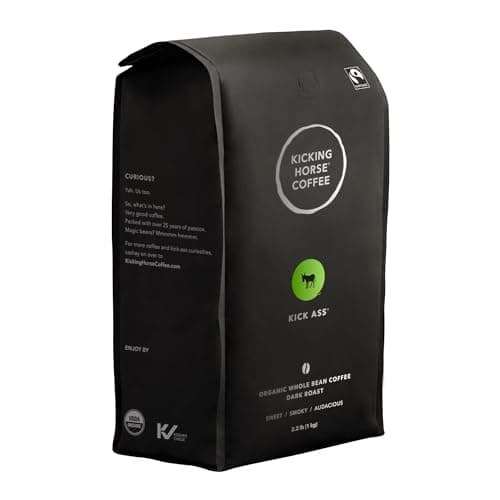
Kicking Horse Kicking Horse Kick Ass

Best overall organic

Kicking Horse Kick Ass

Dark roastUSDA Organic & fair trade certifiedWhole beanChocolate malt and licorice notes
8.3/10

The best-drinking organic bag here: a certified organic, fair-trade dark roast with real smoky depth and enough body to stand up to milk or a French press.

Roast quality
8.5
Certification
9.5
Freshness policy
6.5
Versatility
9
Value
8

Pros

  • Genuinely bold — this is what people mean by strong coffee, and it stays sweet rather than turning ashy
  • Carries both organic and fair-trade certification, which few dark roasts at this price do
  • Widely stocked, so the bag you get is usually reasonably fresh
  • Works across espresso, moka, French press and drip

Cons

  • Oily beans gum up ceramic burrs and need a grinder cleaned more often
  • Dark roasting flattens origin character — this is about roast profile, not terroir
  • No printed roast date on most bags

Don't buy this if…

you prefer bright, fruity coffee. This is at the bold end of dark and makes no apology for it.

$43.99View on Amazon

Price as of Sep 2, 2026. Prices change — Amazon's at checkout is the one that counts.

#ad · we may earn a commission from this link to Kicking Horse Kick Ass

02
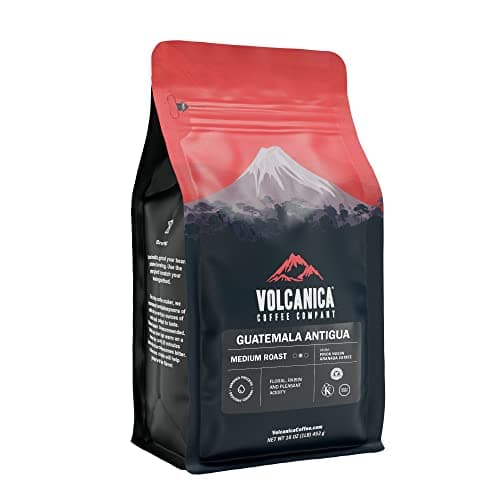
Volcanica Volcanica Guatemala Antigua (organic, medium roast)

Best organic single origin

Volcanica Guatemala Antigua (organic, medium roast)

Medium roastGuatemala, Antigua valleyUSDA Organic16oz whole bean
8.5/10

The organic single origin that actually tastes of somewhere: cocoa and toasted nut from the Antigua valley, roasted medium so the origin survives.

Roast quality
8.5
Certification
8.5
Freshness policy
8
Versatility
9.5
Value
8

Pros

  • Roasted light enough that the growing region genuinely comes through
  • Balanced enough to brew as espresso, drip, pour-over or press
  • Roasted to order rather than sitting in a warehouse
  • Antigua is a real, distinctive volcanic-soil region, not a generic origin label

Cons

  • Costs more per ounce than the supermarket organic blends here
  • Roast date is not always printed on the bag
  • Less dramatic than a light-roast Ethiopian if you want a striking cup

Don't buy this if…

you want a big, smoky dark roast — this is deliberately balanced and will read as mild by comparison.

If you are buying organic because you also care about tasting the origin, this is the pick. See the wider category in best single-origin coffee beans.

$22.99View on Amazon

Price as of Sep 2, 2026. Prices change — Amazon's at checkout is the one that counts.

#ad · we may earn a commission from this link to Volcanica Guatemala Antigua (organic, medium roast)

03
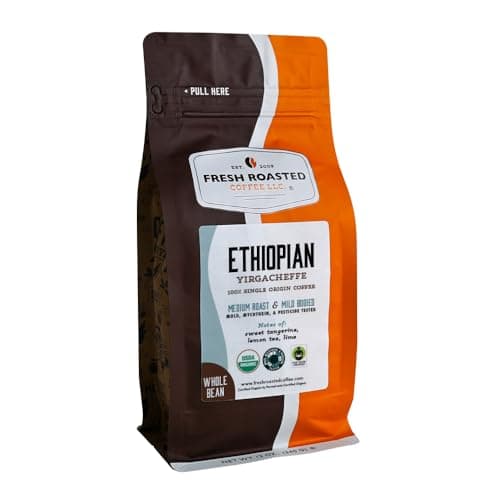
Fresh Roasted Coffee Fresh Roasted Coffee Organic Ethiopian Yirgacheffe (light roast)

Best organic light roast

Fresh Roasted Coffee Organic Ethiopian Yirgacheffe (light roast)

Light roastEthiopia, Yirgacheffe regionUSDA Organic, third-party testedWhole bean
8.0/10

The organic bag for people who want brightness: floral, citrus-forward Yirgacheffe roasted light enough that the fruit survives, with third-party testing on top of the organic seal.

Roast quality
8.5
Certification
9
Freshness policy
8
Versatility
6
Value
8.5

Pros

  • The most distinctive flavor on this page — jasmine, lemon and stone fruit
  • Light roast preserves the acidity Yirgacheffe is famous for
  • Third-party testing documented alongside the organic certification
  • Priced sensibly for a certified organic specialty single origin

Cons

  • Light roasts need hotter water and a finer grind to extract properly — less forgiving
  • The delicate character is largely lost with milk or in a French press
  • Bright acidity genuinely does not suit everyone

Don't buy this if…

you take your coffee with milk or brew it as espresso — everything you are paying for gets buried.

$21.98View on Amazon

Price as of Sep 2, 2026. Prices change — Amazon's at checkout is the one that counts.

#ad · we may earn a commission from this link to Fresh Roasted Coffee Organic Ethiopian Yirgacheffe (light roast)

04
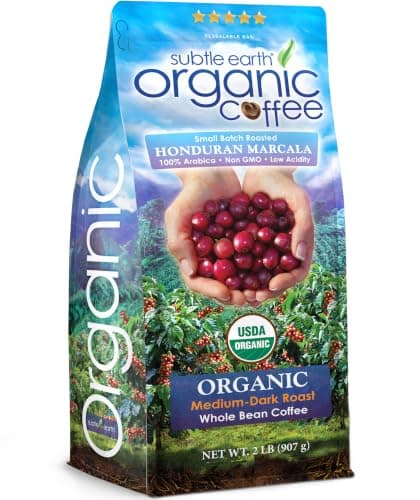
Subtle Earth Subtle Earth Organic Coffee (medium-dark, 2 lb)

Best organic value

Subtle Earth Organic Coffee (medium-dark, 2 lb)

Medium-dark roastUSDA Organic, 100% arabica2 lb whole beanMarketed as low acidity
7.9/10

The value organic: two pounds of certified organic 100% arabica in a medium-dark roast, at a price per ounce the specialty bags cannot approach.

Roast quality
7.5
Certification
8.5
Freshness policy
5.5
Versatility
8.5
Value
9.5

Pros

  • Dramatically cheaper per ounce than the 12 and 16oz specialty bags here
  • Medium-dark profile is the safe middle — sweet and chocolatey without going ashy
  • Two pounds suits a household drinking a pot a day

Cons

  • A 2 lb bag takes weeks to finish, and coffee stales after opening regardless of the seal
  • No printed roast date
  • Blend-style consistency rather than a distinctive origin character

Don't buy this if…

you drink one cup a day — you will be drinking stale coffee for the second half of the bag. Buy smaller bags more often.

$31.99View on Amazon

Price as of Sep 2, 2026. Prices change — Amazon's at checkout is the one that counts.

#ad · we may earn a commission from this link to Subtle Earth Organic Coffee (medium-dark, 2 lb)

05
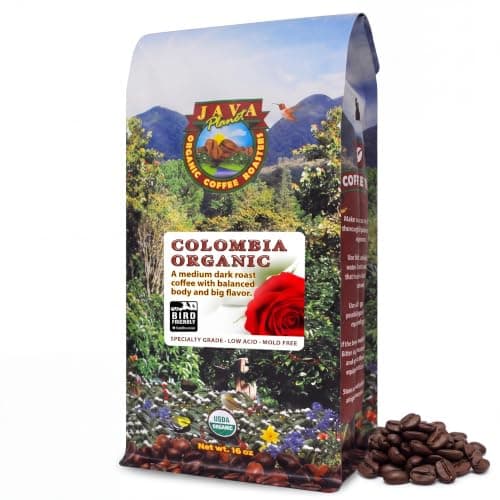
Java Planet Java Planet Low Acid Organic Coffee, Colombian (medium-dark)

Best organic low-acid

Java Planet Low Acid Organic Coffee, Colombian (medium-dark)

Medium-dark roastColombiaUSDA Organic16oz whole bean
8.0/10

For the person buying organic because their stomach demands it: a certified organic Colombian roasted medium-dark, which is the gentlest combination of origin and roast.

Roast quality
8
Certification
9
Freshness policy
7
Versatility
8.5
Value
7.5

Pros

  • Combines two things that both reduce perceived acidity — a low-acid origin style and a darker roast
  • Certified organic in a category dominated by uncertified 'low acid' marketing
  • Approachable, caramel-forward Colombian profile almost nobody dislikes

Cons

  • 'Low acid' is a taste description here, not a published pH figure
  • Costs more per ounce than the big-bag organics
  • Medium-dark roasting means limited origin nuance

Don't buy this if…

you want a measured, documented low-acid coffee — see our low-acid page for the brands that publish pH figures.

If low acidity is the actual reason you are shopping, read best low acid coffeebefore deciding — roast level and origin do more of that work than certification does.

$26.99View on Amazon

Price as of Sep 2, 2026. Prices change — Amazon's at checkout is the one that counts.

#ad · we may earn a commission from this link to Java Planet Low Acid Organic Coffee, Colombian (medium-dark)

06
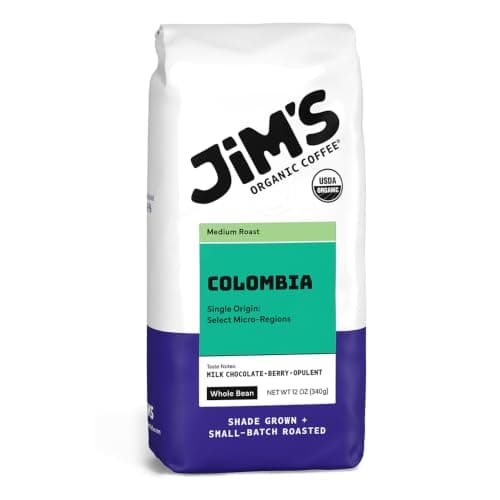
Jim's Organic Coffee Jim's Organic Coffee Colombian Single Origin (medium roast)

Best organic everyday

Jim's Organic Coffee Colombian Single Origin (medium roast)

Medium roastColombiaUSDA Organic12oz whole bean
8.3/10

The cheapest certified organic bag we would recommend: a balanced medium-roast Colombian at a price that makes organic a default rather than a treat.

Roast quality
7.5
Certification
8.5
Freshness policy
7
Versatility
9
Value
9.5

Pros

  • Priced to be a regular purchase, not an occasional splurge
  • Classic Colombian balance — caramel sweetness, mild citrus, no rough edges
  • 12oz bag size means you finish it while it is still fresh

Cons

  • Deliberately unremarkable — balance rather than character
  • No printed roast date
  • Colombian is the most common single origin, so it feels less special

Don't buy this if…

you are buying single origin specifically to taste something unusual — this is the safe, pleasant one.

$16.99View on Amazon

Price as of Sep 2, 2026. Prices change — Amazon's at checkout is the one that counts.

#ad · we may earn a commission from this link to Jim's Organic Coffee Colombian Single Origin (medium roast)

What USDA Organic actually certifies

For coffee, the certification covers the farm and the chain of custody: no synthetic pesticides or fertilizers on the land for a defined period before harvest, no prohibited substances in processing, and an audited paper trail through the exporter, importer and roaster. A roaster cannot put the seal on a bag unless the whole chain is certified, which is why some excellent organically-grown coffees are sold without the label — small farms often cannot afford certification even when they farm organically.

What it does not cover: flavor, roast quality, freshness, or how the farmer was paid. Those are separate questions, and the last one is what fair-trade certification addresses. A bag carrying both, like the Kicking Horse above, is telling you two different things.

Organic vs shade-grown vs fair trade vs bird-friendly

These get used interchangeably in marketing and they are not the same. Organic is about inputs. Fair trade is about minimum prices and cooperative structures for growers. Shade-growndescribes a cultivation method — coffee grown under tree canopy rather than in cleared full sun — which is generally better for biodiversity and often produces slower-maturing, denser beans. Bird Friendly (Smithsonian) is the strictest of the environmental certifications and requires organic certification plus specific canopy criteria. If environmental impact is your reason for shopping, shade-grown and Bird Friendly say more than organic alone.

Roast date still beats every certification

A certified organic bag roasted four months ago makes worse coffee than a conventional bag roasted last week. Coffee peaks roughly four to twenty-one days after roasting and fades from there, so the single most useful thing on a bag remains a printed roast daterather than a “best by” date. Among these picks, the specialty roasters are the ones most likely to print one. If a bag only carries a best-by date, buy the smallest size you will actually finish inside a month.

Is organic coffee actually healthier?

The honest answer is that the evidence for a meaningful health difference in the cup is thin. Coffee cherries are pulped, fermented, washed, dried and then roasted at high temperature, and measured pesticide residues on roasted conventional beans are generally very low. Buy organic because you want to support that farming method, because you prefer the roasters who do it, or because a specific coffee you like happens to be certified. Those are good reasons. “Conventional coffee is dangerous” is not one we will make for you.

Getting the most out of an organic bag

Buy whole bean and grind immediately — ground coffee stales within minutes, which undoes any quality you paid for. Store it airtight at room temperature, away from light and heat, and do not keep it in the grinder hopper for days. If you are still using pre-ground or a blade grinder, a burr grinder under $100 will improve your cup more than switching to organic beans will, which is worth knowing before you spend.

How we picked

We did not lab-test this gear

Everyone in this category says they tested twenty machines. We have not lab-tested any of these, and we say so. What we did instead: compiled the published manufacturer specifications, read the manuals, ran the math where there was math to run (heat-up time, pressure, dose capacity, grind range, cost per cup), and scored each pick against a published rubric. The scores are judgments from documented research — not measurements we took, because we do not have a lab and we will not pretend we do. Where a number came from someone else's work, we name them in Sources.
Questions

Frequently asked

What is the best organic coffee bean?
For an all-round organic bag that genuinely tastes good, Kicking Horse Kick Ass — it is certified organic and fair trade and has real depth. If you want to taste the origin rather than the roast, Volcanica’s organic Guatemala Antigua is the better pick.
Is organic coffee healthier than regular coffee?
The evidence for a meaningful difference in the cup is thin. Coffee is washed, dried and roasted at high temperature, and measured residues on conventional roasted beans are generally very low. Organic certification is primarily about farming inputs, not about the drink being safer.
Does organic coffee taste different?
Not because of the certification. Taste comes from origin, variety, processing, roast level and freshness. Some organic coffees taste excellent and some do not, exactly as with conventional coffee — which is why this page ranks on roast quality first.
What is the difference between organic and fair trade coffee?
Organic certifies growing inputs — no synthetic pesticides or fertilizers, audited through the supply chain. Fair trade certifies economics — minimum prices and cooperative standards for growers. A bag can carry either, both or neither.
Is organic coffee worth the extra cost?
If supporting that farming method matters to you, yes — the premium is modest, and plenty of certified bags taste excellent. If you are buying it hoping for a health benefit, spend the money on fresher beans and a burr grinder instead; both change your cup far more.

Keep reading

Receipts

Sources

We do not run a testing lab, and we do not pretend to. Where a measured number came from someone else's work, we name them and link them. Where we could not verify something, we say so on the page rather than quietly leaving it out. Read our full method.