A super-automatic espresso machine is a trade: you give up the craft of pulling and steaming by hand, and in return you press one button and a bean-to-cup machine grinds, doses, brews and, on most of these, froths the milk for you. If your goal is a good cappuccino on a weekday morning with almost no cleanup, this is the category. If your goal is to learn espresso, it is the wrong category, and the most honest thing on this page is to say so up front.
Every machine here is a genuine bean-to-cup automatic that is currently sold, and the ranking is buyer-first: the pick that gets the most people a good, low-effort drink for the least money leads, and the money-is-no-object machine sits at the bottom because most people should not buy it. Three things separate them, and for most buyers they matter in this order: the milk system (an automatic carafe or frother versus a manual wand), how little you have to clean, and the coffee itself. The grinder and brew unit are built in and out of your hands, so what you are really choosing is a milk-and-maintenance experience.
One caveat before the picks. A super-automatic hides the two things that most decide a shot — the grind and the puck — inside a sealed brew group you cannot touch. That is the point, and it is also the ceiling: none of these will out-pour a well-dialed semi-automatic machine paired with a real espresso grinder. If you want to tinker and improve, buy a machine you can dial in and skip this whole page. If you want coffee, not a hobby, read on.
The short answer
Quick picks
| # | Product | Best for | Score | Price |
|---|
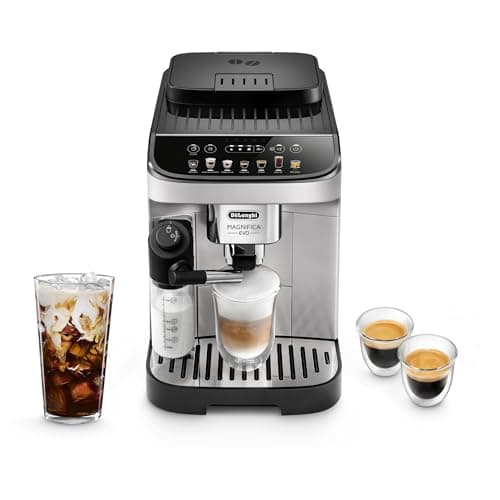
| 01 | De'Longhi Magnifica Evo (with LatteCrema)The most machine for the money in bean-to-cup: an automatic LatteCrema milk system that pours a hands-free cappuccino or latte macchiato, 13 grind settings, and a price that is frequently discounted well below its list. It does the super-automatic job without the super-automatic markup. | Best overall value | | $499.99·Amazon |
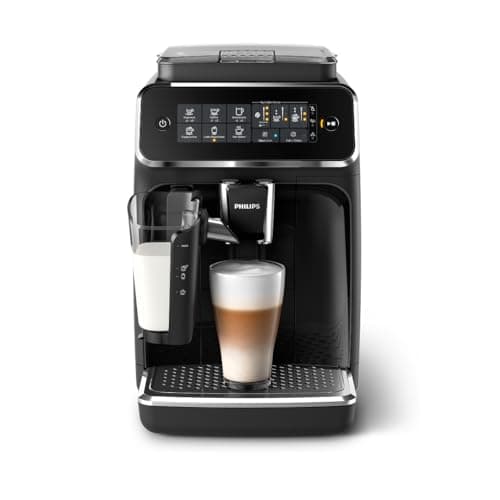
| 02 | Philips 3200 Series LatteGo (EP3241)The lowest-maintenance way to a daily cappuccino. The LatteGo milk system is two snap-off parts with no tubes that rinse in about fifteen seconds, the ceramic burrs are rated for roughly 20,000 cups, and the AquaClean filter lets you skip descaling for up to 5,000 cups. It is built to be ignored. | Best for easy milk & upkeep | | $555.60·Amazon |
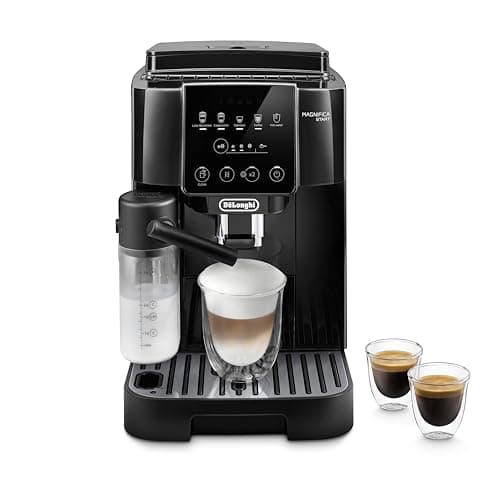
| 03 | De'Longhi Magnifica Start (auto milk)The simplest way in. A soft-touch panel of plain one-touch icons, a compact body and, on this auto-milk model, a LatteCrema Hot system that froths for you, stripped of the menus and settings that intimidate first-time bean-to-cup buyers. | Best simple one-touch | | $599.95·Amazon |
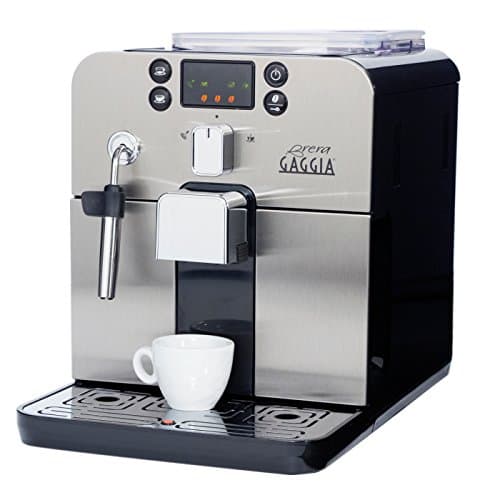
| 04 | Gaggia BreraThe compact contrarian: a genuinely small super-automatic with 100% ceramic burrs and a front-loading water tank that slides under a cabinet, but its milk is a manual pannarello wand, so you froth by hand. It suits the person who wants automatic coffee and a little milk control. | Best compact footprint | | $499.00·Amazon |
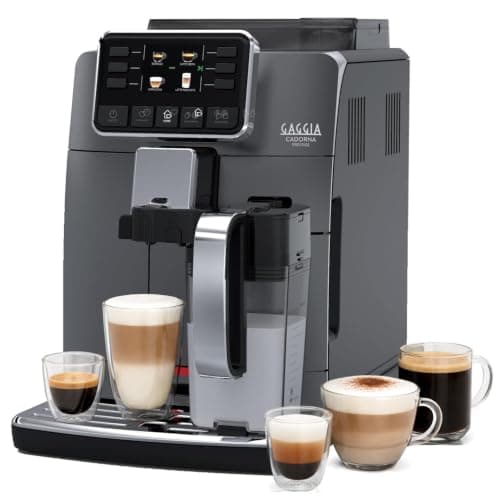
| 05 | Gaggia Cadorna PrestigeThe variety machine. Fourteen one-touch drinks, from flat white and cortado to latte macchiato, an integrated auto-milk carafe you can store in the fridge, a color screen and four saved user profiles make it the pick for a household where everyone orders something different. | Best for drink variety | | $999.99·Amazon |
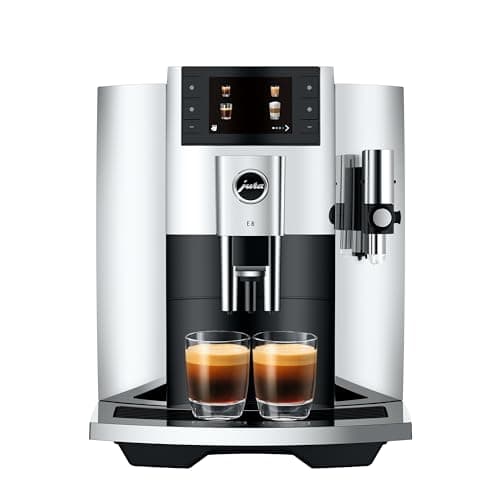
| 06 | Jura E8The premium pick, and the one that actually makes the coffee taste better. Jura's Pulse Extraction Process fires water through the puck in pulses for a fuller short shot, the twin-chamber Fine Foam frother makes exceptional milk, and a menu of 17 specialties is handled with real polish, at a price most people should not pay. | Best premium | | $2,239.99·Amazon |
#ad · Live prices from the Amazon Product API, as of Jul 20, 2026. Where we have no verified live price, we show none — a gap beats a number that has rotted.
In detail
The picks, in full
Best overall value
De'Longhi Magnifica Evo (with LatteCrema)
Conical burr, 13 grind settingsLatteCrema automatic milk system7 one-touch recipes + My Latte60oz tank / 8.8oz bean hopper
The most machine for the money in bean-to-cup: an automatic LatteCrema milk system that pours a hands-free cappuccino or latte macchiato, 13 grind settings, and a price that is frequently discounted well below its list. It does the super-automatic job without the super-automatic markup.
- Coffee quality
- 8
- Milk system
- 8.5
- Ease & cleaning
- 8.5
- Drink range
- 8
- Value
- 9
Pros
- +Automatic LatteCrema carafe froths milk and pours a cappuccino or latte macchiato at one touch, with no wand technique to learn
- +13 grind settings and adjustable strength give more control than most machines at this price
- +Removable brew group lifts out for rinsing, and it routinely sells below its list price
Cons
- −Mostly plastic build, so it feels like the value machine it is
- −The milk carafe is another part to detach, rinse and store after milk drinks
- −No control over brew pressure or temperature the way an enthusiast semi-auto allows
Don't buy this if…
…you want to learn to pull and steam by hand. The Evo does all of that behind a sealed brew group, so a Breville Bambino or Barista Express is the better teacher.
The Evo wins on the oldest logic in this category: it does the one-touch, bean-to-cup, auto-milk job as well as machines that cost far more, for a price frequently marked a third off its list. The automatic LatteCrema system is the reason — it draws milk from a carafe, textures it, and builds a cappuccino or latte macchiato without you touching a steam wand, which is the whole reason most people buy a super-automatic. Thirteen grind settings and an adjustable strength give you room to tune the cup, and the brew group lifts out for a rinse. It is plastic where the premium machines are metal, and the carafe is one more thing to clean, but for a first bean-to-cup machine it is the honest value answer. Feed it good espresso beans and it rewards them.
Best for easy milk & upkeep
Philips 3200 Series LatteGo (EP3241)
100% ceramic grinder, 12 settingsLatteGo tubeless milk (cleans ~15s)5 drinks + hot waterAquaClean: up to 5,000 cups between descales
The lowest-maintenance way to a daily cappuccino. The LatteGo milk system is two snap-off parts with no tubes that rinse in about fifteen seconds, the ceramic burrs are rated for roughly 20,000 cups, and the AquaClean filter lets you skip descaling for up to 5,000 cups. It is built to be ignored.
- Coffee quality
- 7.5
- Milk system
- 8.5
- Ease & cleaning
- 9
- Drink range
- 7.5
- Value
- 8.5
Pros
- +LatteGo milk system is two parts with no tubes to clog, rinsed under the tap in about 15 seconds or dropped in the dishwasher
- +100% ceramic burrs run cooler than steel and are rated for roughly 20,000 cups
- +AquaClean filter means no descaling for up to 5,000 cups, and the touch display keeps it simple
Cons
- −Only five drink presets, with no big menu of specialty one-touch drinks
- −Milk foam is good but a touch less refined than a twin-chamber carafe system
- −Strength and length adjust, but there is less fine control than on pricier machines
Don't buy this if…
…you want a long menu of one-touch specialty drinks. This keeps it to the core five, so a Gaggia Cadorna or a Jura suits a big-menu household better.
If the thing that stops people using a super-automatic is the cleaning, the 3200 is the answer. The LatteGo milk system ditches the tubes that clog and sour on other machines for two parts that snap off and rinse in seconds, and the AquaClean filter genuinely cuts how often you have to descale. The ceramic grinder is a real upside at this price — it stays cooler than steel and is rated to last. You trade away breadth: there are five presets, not fourteen, and no flashy drink menu. For a household that drinks espresso, coffee and cappuccino and wants to spend the least time on maintenance, that trade is easy. Give it fresh beans and it makes the same clean drink every morning without drama.
Best simple one-touch
De'Longhi Magnifica Start (auto milk)
Bean-to-cup with adjustable grinderLatteCrema Hot automatic milkSoft-touch one-touch panel250g bean hopper
The simplest way in. A soft-touch panel of plain one-touch icons, a compact body and, on this auto-milk model, a LatteCrema Hot system that froths for you, stripped of the menus and settings that intimidate first-time bean-to-cup buyers.
- Coffee quality
- 7.5
- Milk system
- 8
- Ease & cleaning
- 8
- Drink range
- 7
- Value
- 8
Pros
- +Soft-touch icons make it the most approachable De'Longhi super-automatic, with nothing to read a manual for
- +This model's LatteCrema Hot system froths milk automatically, so cappuccinos are still one touch
- +Compact footprint and a fast-heating, grind-fresh bean-to-cup workflow
Cons
- −Fewer recipes and less personalization than the step-up Magnifica Evo
- −Entry-level plastic build, with no color screen or saved user profiles
- −Grinder is adjustable but simpler than the ceramic burrs on some rivals
Don't buy this if…
…you want the extra recipes or the My Latte personalization. Spend a little more on the Magnifica Evo, which adds both for not much money.
The Start is De'Longhi's answer to the person who finds bean-to-cup machines overwhelming. The control panel is a row of plain soft-touch icons — espresso, coffee, and on the milk models a cappuccino — with none of the nested menus that make a premium machine feel like a gadget. The auto-milk version we point to here adds the LatteCrema Hot carafe, so a cappuccino is still a single press. What you give up versus the Evo is breadth: fewer recipes, no saved personal profile, and a plainer build. If someone in the house just wants to press one clearly labeled button and get a decent coffee, the Start is the least intimidating machine here, and it still grinds fresh every time.
Best compact footprint
Gaggia Brera
100% ceramic burrs, 5 grind stepsPannarello manual steam wand~12.4in wide, front-access refills250g bean hopper, Rapid Steam
The compact contrarian: a genuinely small super-automatic with 100% ceramic burrs and a front-loading water tank that slides under a cabinet, but its milk is a manual pannarello wand, so you froth by hand. It suits the person who wants automatic coffee and a little milk control.
- Coffee quality
- 7.5
- Milk system
- 6.5
- Ease & cleaning
- 7.5
- Drink range
- 6.5
- Value
- 8
Pros
- +One of the smallest bean-to-cup machines, about 12.4 inches wide, with water and dregs loaded from the front
- +100% ceramic burrs and Rapid Steam for quick back-to-back drinks
- +The manual pannarello gives a bit of hands-on control over milk that fully automatic carafes don't
Cons
- −Milk is manual: the pannarello wand is the opposite of one-touch, which is why many buy a super-auto
- −Only five grind steps, and an older platform with mixed long-term reliability reports
- −No color screen, user profiles or specialty-drink menu
Don't buy this if…
…you bought a super-automatic specifically to avoid steaming milk. The Brera hands that job back to you, so an automatic-milk De'Longhi or Philips is the better fit.
The Brera is the pick for a specific person: someone with no counter space who still wants the beans-in, coffee-out convenience of a super-automatic, and who does not mind — or actively likes — frothing milk by hand. At about 12.4 inches wide with front-loading water and grounds, it fits where bigger machines cannot, and the 100% ceramic burrs are a genuine plus. The catch is the milk: it uses a pannarello steam wand, so a cappuccino means texturing milk yourself, which is either a welcome bit of control or the exact chore you were trying to escape. Long-term reliability reports on the platform are mixed, so weigh that. Choose it for the size and the ceramic grinder, not for hands-free lattes.
Best for drink variety
Gaggia Cadorna Prestige
14 one-touch drinksAuto-milk carafe (0.6L, fridge-storable)100% ceramic grinder, 10 settingsColor TFT screen, 4 profiles, twin-cup
The variety machine. Fourteen one-touch drinks, from flat white and cortado to latte macchiato, an integrated auto-milk carafe you can store in the fridge, a color screen and four saved user profiles make it the pick for a household where everyone orders something different.
- Coffee quality
- 8
- Milk system
- 8
- Ease & cleaning
- 7.5
- Drink range
- 9
- Value
- 7.5
Pros
- +Fourteen programmed drinks, including flat white, cortado and cafe au lait, all at one touch
- +The auto-milk carafe froths and cleans itself, and lifts out to live in the fridge between uses
- +Color screen with four user profiles saves each person's strength and size, and it brews two cups at once
Cons
- −You pay a clear step up in price for the breadth
- −The milk carafe and larger body mean more parts and a bigger footprint to manage
- −Overkill if the household really only drinks two or three of the fourteen
Don't buy this if…
…you only ever make espresso and cappuccino. You would be paying for a fourteen-drink menu and a color screen you won't use, when a simpler De'Longhi or Philips makes the same two drinks.
Where the value machines keep the menu short, the Cadorna Prestige goes wide: fourteen one-touch drinks, a color screen, and four user profiles so each person in the house gets their own saved strength and size. The integrated milk carafe froths automatically, runs its own cleaning cycle, and — the genuinely useful bit — detaches to sit in the fridge between drinks, so you are not pouring milk in and out every morning. The 100% ceramic grinder and twin-cup brewing round it out. It costs a clear step more than the entry picks, and all that breadth is only worth it if you use it; a two-drink household is paying for a menu it will ignore. But for a family that orders a flat white, a latte macchiato and a long black off the same machine, the variety earns its keep.
Best premium
Jura E8
Aroma G3 grinder, 7 settingsP.E.P. Pulse Extraction ProcessFine Foam automatic frother17 specialties, 64oz tank
The premium pick, and the one that actually makes the coffee taste better. Jura's Pulse Extraction Process fires water through the puck in pulses for a fuller short shot, the twin-chamber Fine Foam frother makes exceptional milk, and a menu of 17 specialties is handled with real polish, at a price most people should not pay.
- Coffee quality
- 9
- Milk system
- 8.5
- Ease & cleaning
- 8
- Drink range
- 9
- Value
- 6.5
Pros
- +The Pulse Extraction Process genuinely improves short shots, with a fuller body and thicker crema than typical super-autos manage
- +Twin-chamber Fine Foam frother produces fine, dense, adjustable milk foam
- +Premium build, a slick interface, 17 specialties and automated rinse and clean cycles that keep upkeep low
Cons
- −Expensive, several times the price of the value picks
- −Locked into Jura's ecosystem of filters, milk lines and cleaning tablets
- −Real overkill for a casual one-or-two-drinks-a-day user
Don't buy this if…
…you're price-sensitive. A De'Longhi Magnifica Evo makes a very good latte for roughly a quarter of the price, and most people cannot taste enough of the difference to justify the rest.
The E8 is where a super-automatic stops being only about convenience and starts being about the cup. Jura's Pulse Extraction Process pushes water through the grounds in short pulses rather than one continuous flow, which improves the body and crema of short drinks like espresso and ristretto — the exact shots most bean-to-cup machines make worst. The Fine Foam frother textures milk in two chambers for a genuinely fine, adjustable foam, and the machine runs guided rinse and cleaning cycles so upkeep stays low despite the sophistication. None of that is cheap: it costs several times what the De'Longhi and Philips picks do, and it ties you to Jura's filters and milk system. Buy it if coffee quality from a one-touch machine is worth a real premium to you; if it is not, the value picks make a very good latte for a fraction of the money.
How to choose a super-automatic espresso machine
Because the grinder and brew unit are sealed and out of your hands, choosing a super-automatic is really about four questions — and none of them is about bars of pressure.
1. How do you take your milk?
This is the biggest fork. An automatic milk system — a carafe (De'Longhi LatteCrema, Gaggia's carafe, Jura's frother) or the tubeless Philips LatteGo — froths and pours a cappuccino at one touch, which is why most people buy this category in the first place. A manual pannarello wand, like the Gaggia Brera's, hands that job back to you. If hands-free milk is the whole reason you are shopping, do not buy a manual-wand machine to save money — you will resent it every morning.
2. How much cleaning will you actually do?
A super-automatic only stays convenient if you keep up with it. Milk systems must be rinsed after every use or they sour; brew groups need periodic cleaning; and every machine needs descaling. The machines that win here make that easy: the Philips LatteGo is two dishwasher-safe parts, the Gaggia and De'Longhi carafes run self-cleaning cycles and store in the fridge, and filters like Philips's AquaClean stretch the gap between descales. Be honest about your habits and buy the low-maintenance option if you know yourself.
3. How many different drinks does your household order?
If it is espresso and cappuccino, a five-preset machine is plenty and the money is better kept in your pocket. If four people each want something different — a flat white, a cortado, a latte macchiato, a long black — a wide-menu machine with saved user profiles (the Cadorna Prestige, the Jura) earns its price by pouring each one the same way every time.
4. Does the cup quality justify the price?
Here is the honest ceiling: a super-automatic will not beat a well-dialed semi-automatic machine and a good grinderfor outright shot quality, because you cannot control the grind or the puck. Premium machines like the Jura narrow the gap with tricks like pulsed extraction, but they charge a lot to do it. If a great cup matters more to you than one-button convenience, the real answer may be to leave this category entirely and learn to pull a shot — see our best machines for beginners. If convenience wins, buy the automatic that fits your milk and your maintenance, and enjoy not thinking about it.
How we picked
We did not lab-test this gear
Everyone in this category says they tested twenty machines. We have not lab-tested any of these, and we say so. What we did instead: compiled the published manufacturer specifications, read the manuals, ran the math where there was math to run (heat-up time, pressure, dose capacity, grind range, cost per cup), and scored each pick against a published rubric. The scores are judgments from documented research — not measurements we took, because we do not have a lab and we will not pretend we do. Where a number came from someone else's work, we name them in Sources.
Questions
Frequently asked
What is a super-automatic espresso machine?+
A bean-to-cup machine that grinds, doses, tamps and brews at the push of one button, and on most models froths the milk automatically too. You add beans and water; it makes the drink. The trade-off is that the grind and puck are sealed inside, so you cannot tune them the way a semi-automatic lets you.
Do super-automatic machines make good espresso?+
They make consistent, convenient espresso that is good enough for most people, especially in milk drinks. But because you cannot control the grind or tamp, none of them beats a well-dialed
semi-automatic machine paired with a real grinder for outright shot quality. Premium machines like the Jura E8 narrow the gap; the value machines prioritize ease over the last few percent of flavor.
Automatic milk system or a manual wand?+
If you want a cappuccino at one touch with no technique, choose an automatic milk system — a carafe or the tubeless Philips LatteGo. A manual pannarello wand (as on the Gaggia Brera) gives you a little more control but puts the work back on you, which defeats the purpose for most super-automatic buyers.
How much maintenance do these need?+
More than people expect. The milk system must be rinsed after every use, the brew group needs regular cleaning, and every machine needs descaling on a schedule. Machines with dishwasher-safe milk parts (Philips LatteGo) and long-life filters (AquaClean) make it easiest. Skip the upkeep and the milk sours and the machine scales up.
Is a super-automatic worth it over a Breville Barista Express?+
It depends on what you want. If you want to press a button and never think about it, a super-automatic wins. If you want to learn espresso, improve your shots and spend less, an all-in-one semi-automatic like the
Breville Barista Express makes better coffee for less money — it just asks you to grind, tamp and steam yourself.
Receipts
Sources
We do not run a testing lab, and we do not pretend to. Where a measured number came from someone else's work, we name them and link them. Where we could not verify something, we say so on the page rather than quietly leaving it out. Read our full method.