A pour-over person is the easiest coffee drinker to buy for, because manual brewing is a set of separate, inexpensive tools rather than one big machine — and almost everyone is missing one of them. The kettle, the scale, the grinder and the beans each change the cup on their own, and none depends on a measurement you cannot see.
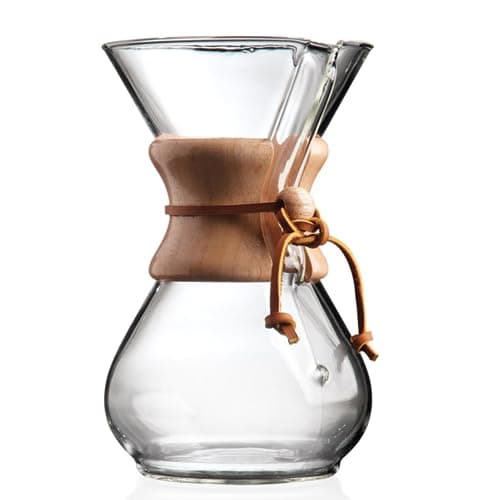
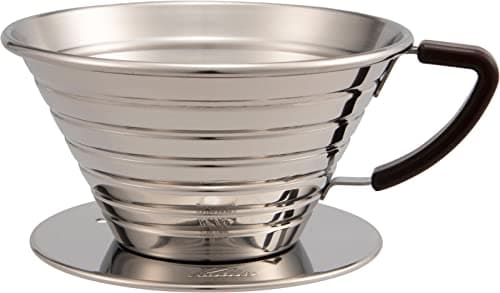
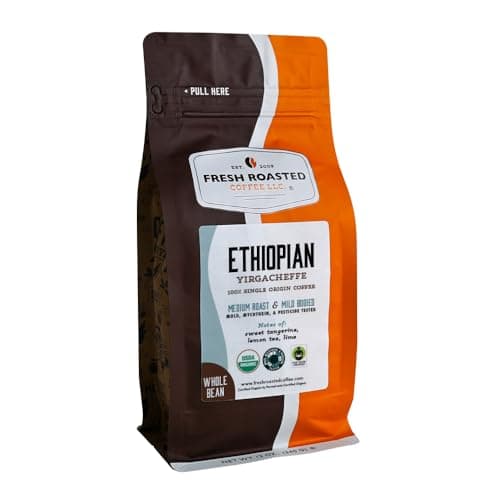
The gifts are ordered by budget. The cheap end is beans and a second dripper (a Chemex or Kalita for someone who owns a V60 is a genuinely different cup, not a duplicate). The middle is the gooseneck kettle and the brew scale, which are the two things most pour-over people are still doing without. The top is a hand grinder, which is the one gift that changes their coffee more than anything else if they currently grind on something cheap.
Every pick is a product we already review, re-explained for a gifter. Prices are live from Amazon and every card links to the full roundup.
What a pour-over person is usually missing
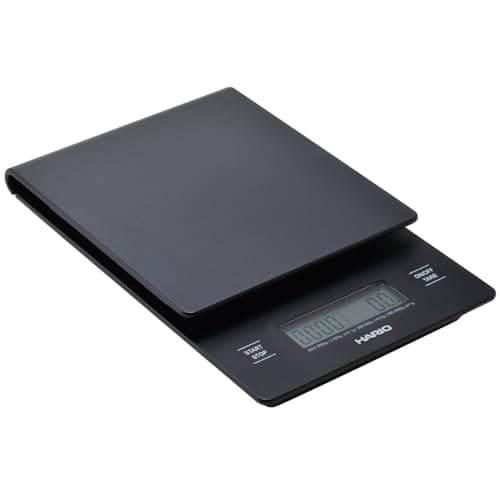
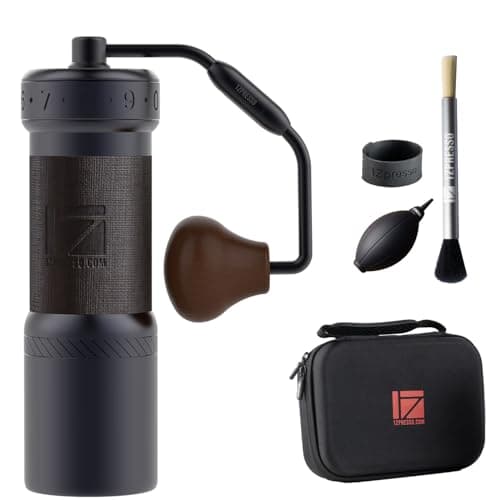
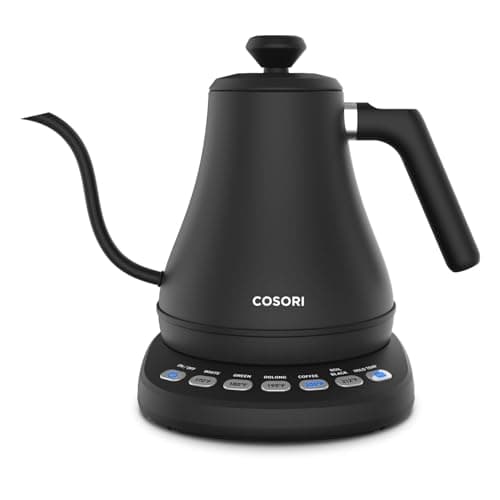
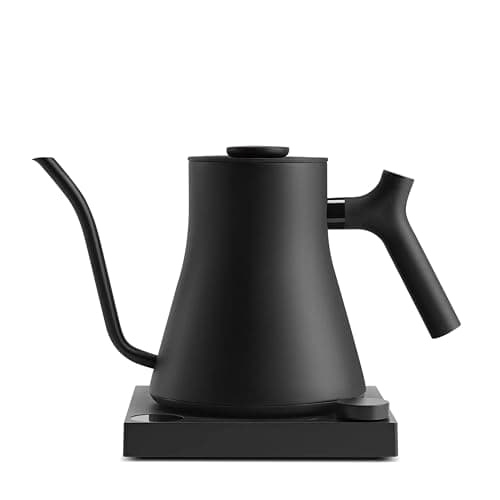
Most people start pour-over with a dripper and a normal kettle, and upgrade in a predictable order: scale first, then gooseneck kettle, then grinder. Look at their counter and buy the next step. No scale? The Hario. A scale but a regular kettle? The Cosori or the Fellow. Both of those but a blade grinder or pre-ground beans? The K-Ultra, and it will be the best gift they get this year. All three present? Beans, a canister or a second brewer.
Budget bands
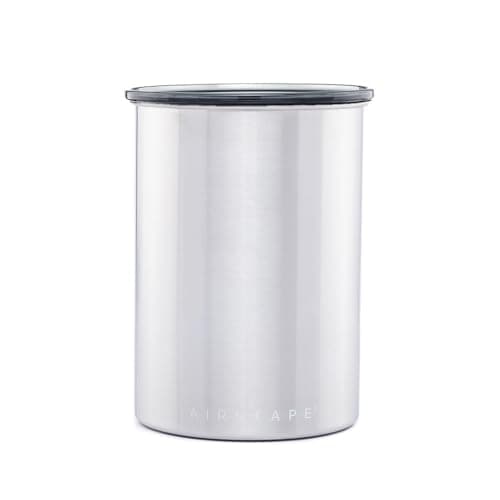
Under $30 is beans, a box of the right filters, or a second dripper. $30–$60 is the scale, the Kalita, the Chemex or the Airscape — the most reliable band, because every one of those fills a real gap. $60–$120 is the budget kettle or a stovetop gooseneck. Above $150 is the Fellow kettle or the hand grinder, which is where the cup improves most.
Pour-over gifts to skip
A blade grinder — it produces dust and boulders together and makes pour-over worse, not better (burr vs blade). Pre-ground coffee, which is stale by the time it is opened. An espresso machine for someone who has chosen manual brewing on purpose. A dripper they already own — a second V60 is a duplicate; a Chemex or Kalita is a different cup. And flavored coffee, which a single-origin drinker will politely re-gift.
Grind size is why the grinder matters
Pour-over needs a medium grind that is even: uneven grounds extract at different rates, so the fine dust turns bitter while the coarse pieces stay sour in the same cup. That is the whole reason a hand grinder with good burrs improves the coffee more than any kettle can. Our grind size chart shows where each method sits.
How we picked
We did not lab-test this gear
Everyone in this category says they tested twenty machines. We have not lab-tested any of these, and we say so. What we did instead: compiled the published manufacturer specifications, read the manuals, ran the math where there was math to run (heat-up time, pressure, dose capacity, grind range, cost per cup), and scored each pick against a published rubric. The scores are judgments from documented research — not measurements we took, because we do not have a lab and we will not pretend we do. Where a number came from someone else's work, we name them in Sources.