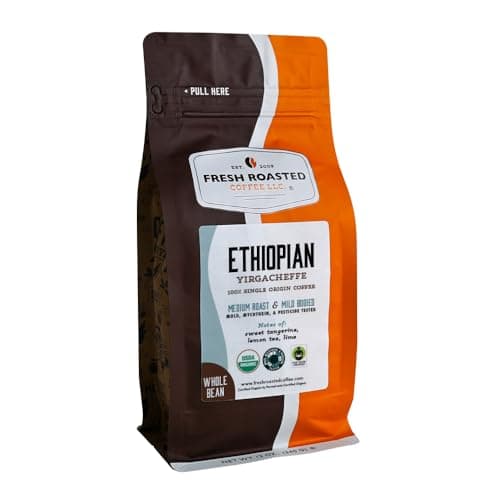
Pour-over is the most revealing brewing method in coffee, and that cuts both ways. Water passes once through a bed of grounds and a paper filter, which removes the oils and fine particles that give French press its weight. What is left in the cup is clarity: the individual aromatic compounds of the coffee, separated rather than blended into general coffee flavor. A great bean tastes extraordinary this way. A dull bean tastes like nothing much, because there is no body to hide behind.
That leads to the single most useful rule for buying pour-over coffee: buy for character, not for strength. Dark roasts taste of roast — smoke, char, bittersweet chocolate — and the roasting process has burned off most of what was distinctive about the origin. Those are excellent beans for espresso and for milk drinks, where you want a flavor bold enough to survive dilution. Through a paper filter they are flat, because you have chosen the method that shows origin character and then bought coffee with the origin character removed.
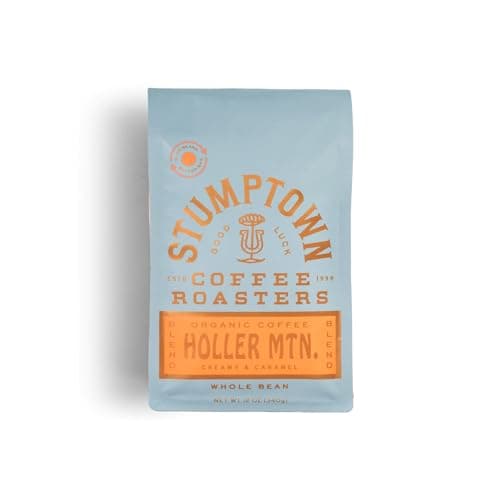
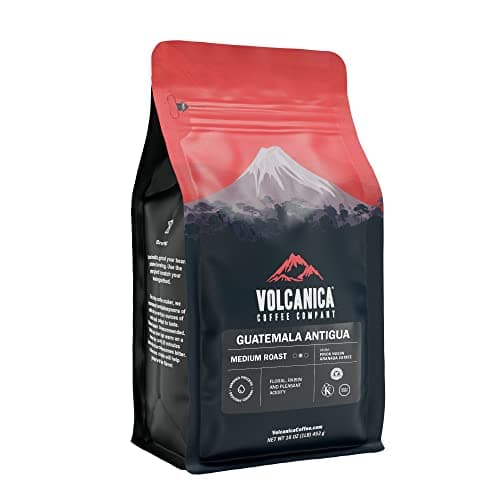
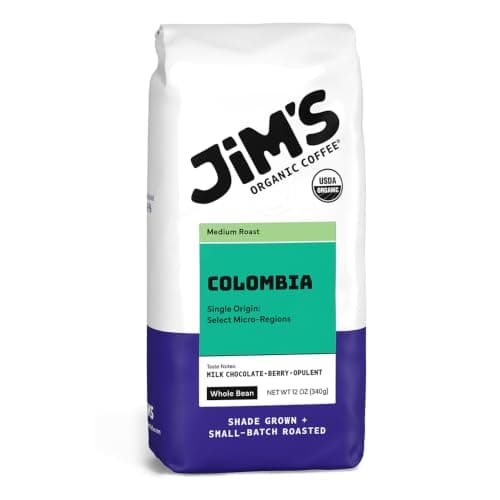
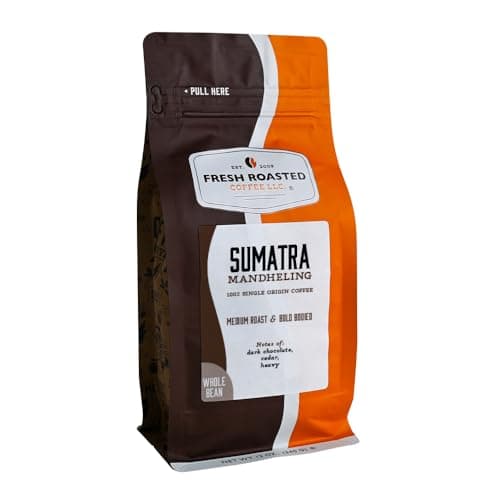
So the picks below run light to medium, favor washed and clean-processed coffees, and lead with origins whose personalities are worth hearing. Every one is whole bean, because pour-over is the method that punishes stale ground coffee hardest — and every one is only as good as the grinder you put it through.
Roast level is the first decision, not the origin
Roasting develops sugars and drives off moisture and volatile compounds. A light roast keeps more of what the bean brought from the farm — acidity, florals, fruit — and a dark roast replaces that with the flavors of roasting itself. Pour-over exists to show what the coffee is, so light and medium roasts are the natural fit and dark roasts are usually a mismatch. The full trade-off is in light vs dark roast. If you like dark roast and you like pour-over, you are allowed to do both — just know you are buying a method that will emphasize the char.
Buy by roast date, not best-by date
Coffee begins losing freshness almost immediately after roasting, and the National Coffee Association’s own guidance is to buy in quantities you will use within one to two weeks. A bag with a printed roast date lets you judge that; a bag with only a best-by date twelve months out is telling you nothing. Aim to brew between roughly four days and three weeks after roasting: coffee needs a few days to release carbon dioxide after roasting, and after a few weeks the aromatics are visibly gone.
Processing method, briefly, because it changes the cup more than the country
Washed coffees have the fruit removed before drying, producing clean, precise cups — the default for pour-over and what most Ethiopian and Colombian coffees here are. Natural coffees dry inside the fruit, which pushes bold berry and wine notes into the cup and reads as sweeter and heavier. Wet-hulled is a Sumatran specialty and produces the earthy, herbal profile the Mandheling is famous for. If two bags from the same country taste unrecognizably different, processing is usually why.
Grind matters more here than anywhere except espresso
Pour-over has no pressure and no long steep to even things out; extraction happens as water moves past particles once. Inconsistent grind means fines that over-extract into bitterness alongside boulders that never give up their sugars, in the same cup. A medium grind, roughly the texture of table salt, is the starting point — adjust finer if the brew runs fast and tastes thin, coarser if it stalls and tastes harsh. Our grind size chart gives the starting points per brewer.
Storing the rest of the bag
Air, moisture, heat and light are what stale coffee, in that order. Keep beans whole, in an opaque airtight container, in a cupboard rather than on the counter beside a warm machine, and grind immediately before brewing. The NCA advises against clear jars for exactly this reason. If you buy in larger quantities, freezing works — in genuinely airtight portions, taking out about a week at a time so you never expose cold beans to warm humid air. Our storage container picks cover the hardware.
How we picked
We did not lab-test this gear
Everyone in this category says they tested twenty machines. We have not lab-tested any of these, and we say so. What we did instead: compiled the published manufacturer specifications, read the manuals, ran the math where there was math to run (heat-up time, pressure, dose capacity, grind range, cost per cup), and scored each pick against a published rubric. The scores are judgments from documented research — not measurements we took, because we do not have a lab and we will not pretend we do. Where a number came from someone else's work, we name them in Sources.