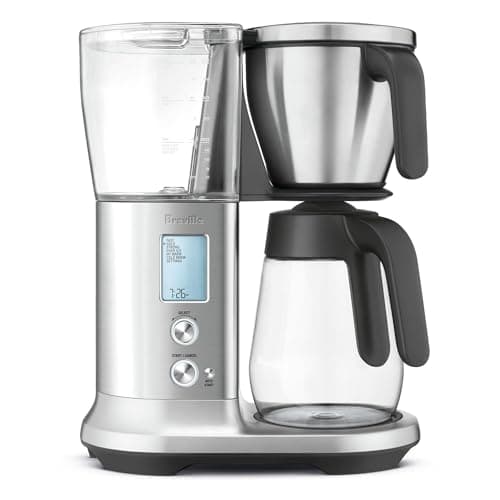
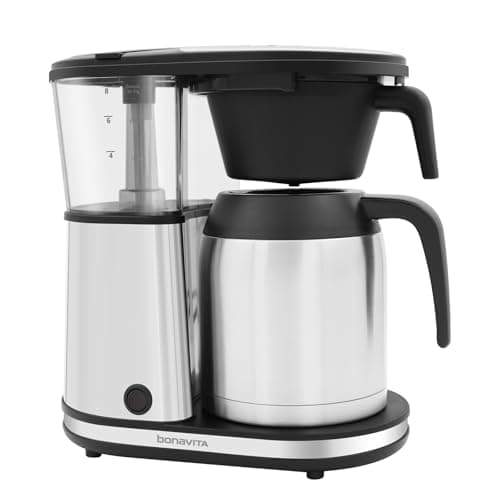
A good drip machine does one unglamorous thing well: it saturates the grounds evenly and holds the water in the 195–205°F window for the whole brew. That sounds simple, and it is exactly what most cheap machines get wrong — they brew too cool, so the coffee comes out sour and thin no matter how good the beans are. The picks below are ranked first on whether they hit that window, then on how much they help or ask of you.
Four of the six here carry the Specialty Coffee Association’s certification, which is the single best shortcut on the box: it means an independent lab confirmed the machine brews at the right temperature, for the right time, with even saturation. That is most of what a great automatic cup needs. The machine is still only half the setup, though — a fresh burr grinder and good beans matter more than the last $100 of machine. If you would rather not run a separate grinder at all, a machine that grinds beans as it brews is its own category — see our best coffee makers with grinders. If you would rather brew by hand, our pour-over guide covers the drippers that reward technique, and the ranking here stays honest about which of these is a convenience buy and which is a genuine upgrade to your morning cup.
How to choose a coffee maker
Once you know a machine hits the right temperature, the rest is about the cup you keep it in and how much effort you want the machine to save you.
Does SCA certification actually matter?
Yes — more than almost any other line on the box. To earn it, a machine has to brew in the 195–205°F window, for the correct contact time, with even saturation of the grounds. Cheap machines routinely fail on temperature, brewing too cool, which is the main reason drugstore drip coffee tastes sour and flat. Certification is a lab confirming the hard part is handled. It is not the whole story — the beans and the grind still decide the ceiling — but it removes the most common way a machine ruins good coffee.
Glass carafe vs thermal carafe
A glass carafe sits on a hot plate, which keeps coffee hot by continuing to cook it — after twenty or thirty minutes it turns bitter and stewed. A thermal (stainless, double-walled) carafe has no hot plate: it holds heat by insulation, so the coffee tastes the same at the end of the pot as the start. If you drink a cup and walk away, choose thermal. If you pour the whole pot within a few minutes, glass is fine and often cheaper.
Drip vs pod: the honest cost comparison
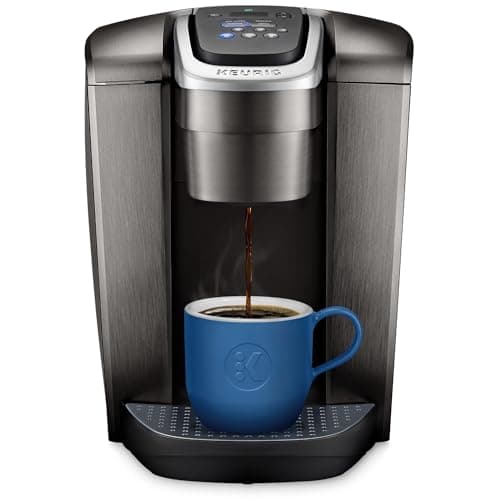
Pods win on speed and lose on everything else. Per cup, a single-serve pod machine like the Keurig costs several times what brewing from ground coffee does, and the cup quality is capped by whatever is sealed in the pod. Drip from fresh-ground beans is cheaper and tastes better; a pod machine only makes sense when convenience genuinely outranks both. If you love the ritual more than the speed, a manual pour-over or French press gives you the most cup per dollar of all.
If you have already settled on a brand
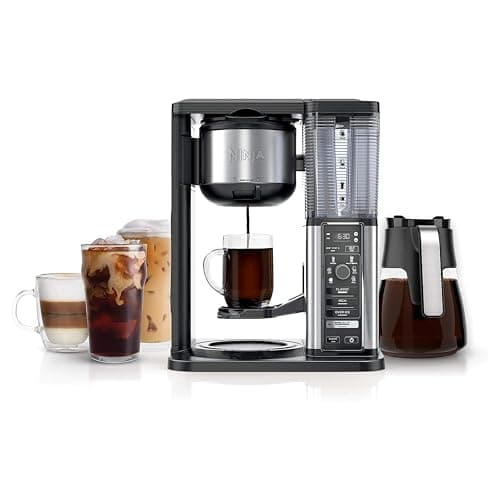
This page ranks drip machines across the market on brew temperature and contact time. Two brands come up often enough that the useful question becomes which model rather than which machine, and we rank each lineup on its own terms: best Ninja coffee makers, where the draw is the dual pod-and-carafe machines, and best Cuisinart coffee makers, where it is thermal carafes and grind-and-brew.
How we picked
We did not lab-test this gear
Everyone in this category says they tested twenty machines. We have not lab-tested any of these, and we say so. What we did instead: compiled the published manufacturer specifications, read the manuals, ran the math where there was math to run (heat-up time, pressure, dose capacity, grind range, cost per cup), and scored each pick against a published rubric. The scores are judgments from documented research — not measurements we took, because we do not have a lab and we will not pretend we do. Where a number came from someone else's work, we name them in Sources.