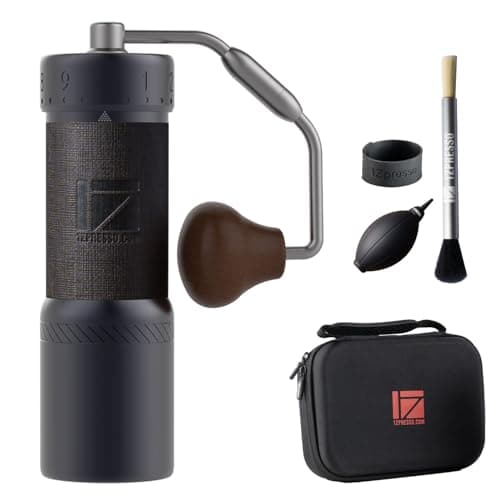
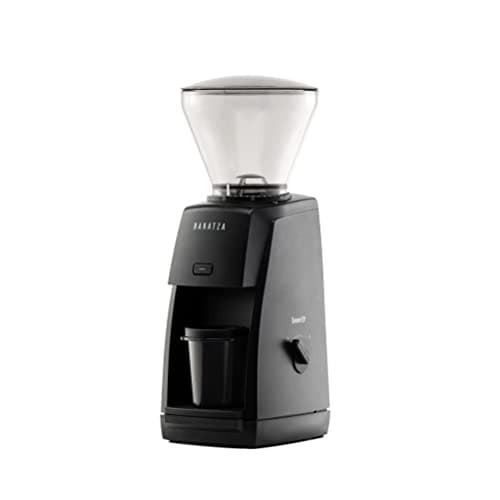
The grinder is the most underrated purchase in coffee. A modest brewer paired with a good burr grinder makes better coffee than an expensive machine fed by a blade grinder, because even, uniform particles are what let water extract evenly. Every pick below is a burr grinder, ranked for real kitchens rather than lab benches, and the ranking is honest about which brew methods each one actually suits.
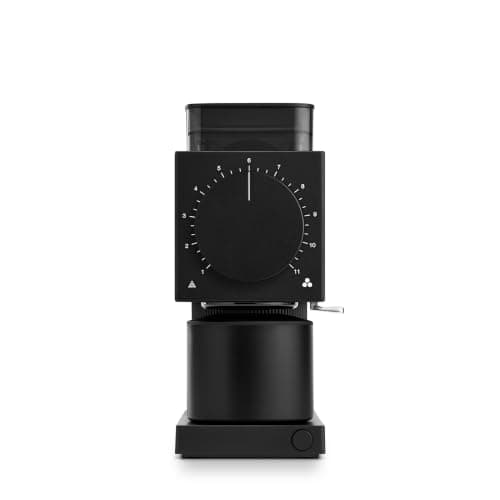
Two ideas decide most of this. First, conical versus flat burrs: both can grind beautifully, but flat burrs (like the Fellow Ode’s 64mm set) tend to produce a tighter particle spread prized for filter clarity, while conical burrs are common, quieter and usually cheaper. Second, range: a grinder built for drip and French press is not automatically fine or precise enough for espresso, so match the tool to the cup. If the blade-versus-burr question is new to you, our burr vs blade grinder guide explains why it matters most; if espresso is the goal, jump to best espresso grinders, and for a hand grinder see best manual coffee grinders. Prefer not to buy a separate grinder at all? A coffee maker with a built-in grinder combines both in one box — at the cost of a grinder you can't upgrade on its own.
How to choose a coffee grinder
Answer three questions in order and the field narrows fast.
1. Which brew methods do you actually make?
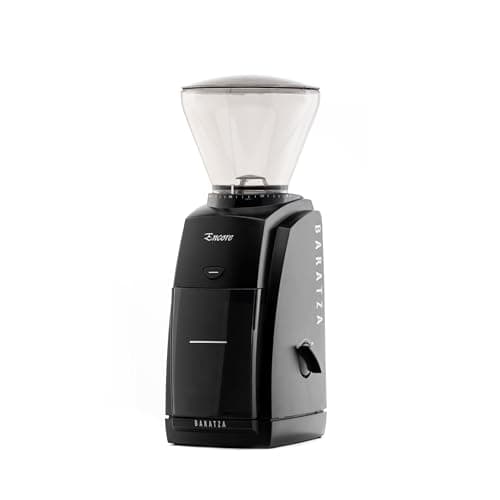
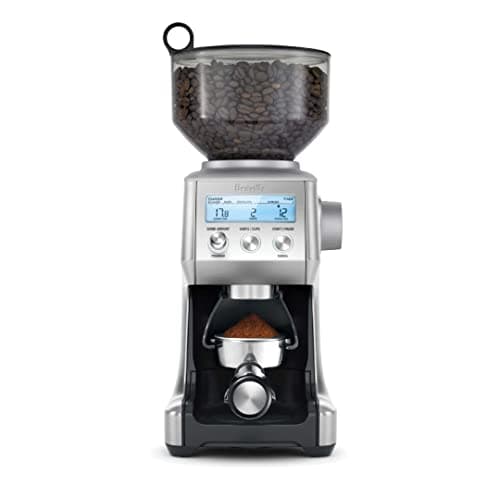
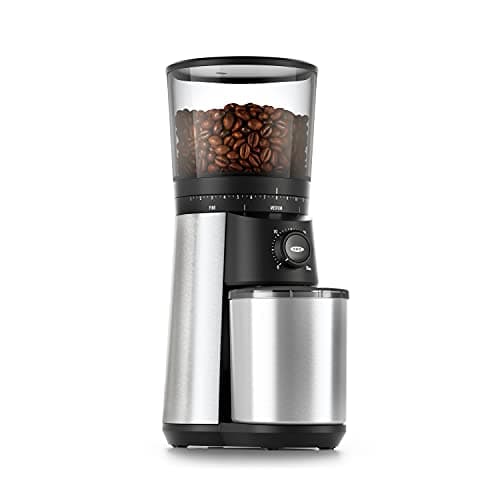
This decides everything. A grinder built for filter — the standard Encore, the OXO, the Fellow Ode — is excellent for drip, pour over and French press but cannot reach espresso fineness. A grinder that spans both, like the Encore ESP or the Smart Grinder Pro, gives up a little precision at each end in exchange for versatility. If espresso is central, don’t compromise: see our espresso-grinder picks.
2. Conical or flat burrs?
Both are real burr grinders and both beat any blade. Conical burrs are common, quieter and usually cheaper, and they grind quickly. Flat burrs, like the Ode’s 64mm set, tend to produce a more uniform particle size that filter drinkers value for clarity in the cup. The gap is smaller than the internet suggests — burr size, alignment and how you dial in matter more than the shape alone.
3. Hopper or single-dose, and how much does retention bother you?
Retention is the coffee left inside the grinder after you grind. Hopper grinders hold beans on top and hold onto some grounds between doses; single-dose grinders like the Ode take just the beans you weigh in and give almost all of them back, which keeps freshness high and lets you switch beans cleanly. If you grind the same coffee every day, retention barely matters; if you rotate beans, single-dose is worth it. Either way, a scale that reads to 0.1g is the cheapest consistency upgrade you can add — weigh the beans in and the grounds out.
If noise is the real constraint
This ranking judges grinders on grind quality, adjustment and retention, and says nothing about how loud they are — which for some kitchens is the deciding factor rather than a footnote. The mechanics are legible: motor type and burr speed set the pitch, burr size sets how long the grind lasts, and housing mass decides how much of it ends up in your cabinets. We work through all four, and name the grinders that get them right, in best quiet coffee grinders.
The two grinders most people end up choosing between
If this ranking has narrowed your shortlist to the mid bracket, the pair that comes up repeatedly is the Baratza Encore and Fellow’s Opus 2 — roughly one price step apart, both aimed at the home brewer, and separated by one fact that decides it outright: the Encore cannot grind fine enough for espresso and the Opus 2 is specified to. Baratza Encore vs Fellow Opus 2 lays both out on published specifications only, including everything neither manufacturer will put a number on.
Two narrower versions of this question
This ranking has no price ceiling and no brew method attached, which makes it the right page for working out what good looks like and the wrong one if you have a number or a single brewer in mind. If your budget is the constraint, the same field ranked with espresso capability first and a hard ceiling is in best coffee grinders under $200. If you only ever brew in an automatic drip machine, the criteria change — uniformity at medium settings and fines production matter and espresso range does not — and that version is best grinders for drip coffee.
How we picked
We did not lab-test this gear
Everyone in this category says they tested twenty machines. We have not lab-tested any of these, and we say so. What we did instead: compiled the published manufacturer specifications, read the manuals, ran the math where there was math to run (heat-up time, pressure, dose capacity, grind range, cost per cup), and scored each pick against a published rubric. The scores are judgments from documented research — not measurements we took, because we do not have a lab and we will not pretend we do. Where a number came from someone else's work, we name them in Sources.