Espresso is unforgiving, so the bean matters more than it does in a mug of drip. A shot concentrates everything — a stale or badly matched bean tastes flat or harsh with nowhere to hide. The picks below start with the forgiving, crema-rich all-rounder most people should buy first, then work toward the darker and the specialty options for drinkers who know what they want.
Two honest truths shape this ranking. First, freshness beats brand: a roast date within the last few weeks matters more than any label, and most grocery-shelf bags print a “best by” date rather than a roast date, so you rarely know how old they are — we flag which of these picks actually date their bags. Second, taste is personal. A blend with some robusta gives you a thick crema and a chocolatey, low-acid cup; a bright 100% Arabica specialty roast is a different drink entirely, and neither is “correct.” If you are unsure whether you even need an espresso-specific bean, our coffee vs espresso beans guide explains what actually differs. Whichever you choose, a consistent grind decides the shot as much as the bean — pair these with a real espresso grinder, not a blade.
How to choose espresso beans
Four things decide whether a bag works for espresso. Get these right and the specific brand matters less than you think.
Roast level
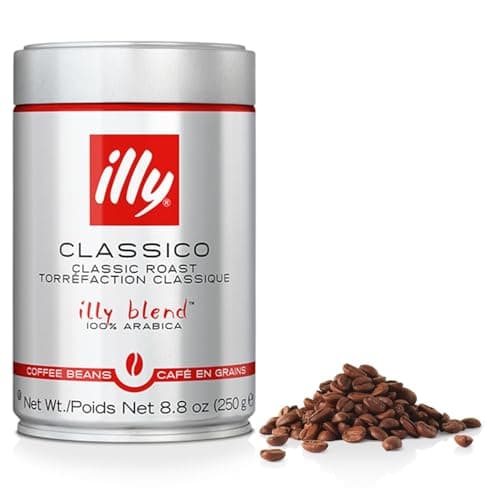
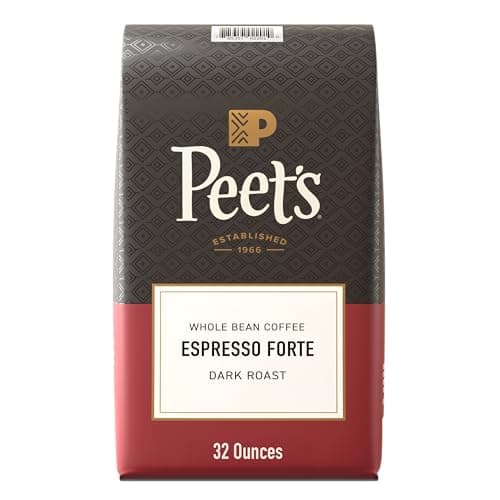
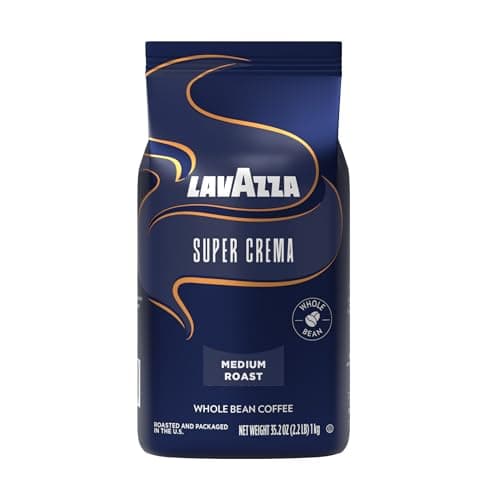
Espresso blends usually run from medium to dark. A medium espresso roast (Super Crema, Illy) keeps some sweetness and body and is the easy default; a dark roast (Espresso Forte, most “Italian” blends) is bolder and more bitter, and holds up better under a lot of milk. Neither is more “authentic” — it is a preference. If you like a bright, fruit-forward cup, a lighter specialty roast will get you there but demands a more precise grind.
Freshness and the roast date
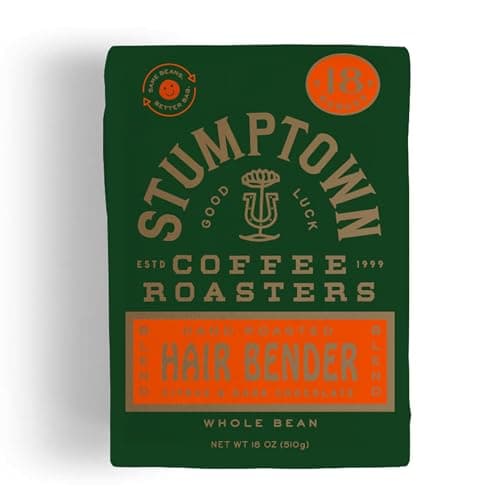
This is the single most important and most overlooked factor: freshness beats brand. Coffee is best from a few days to a few weeks after roasting, and espresso is especially sensitive to stale beans. The catch is that most supermarket bags print only a “best by” date — which can be a year or more out — not a roast date, so you cannot tell how old they are. Specialty roasters like Stumptown print the roast date, which is why they score higher here on freshness. Whichever you buy, get it from a shop with fast turnover and use it within a few weeks of opening.
Whole bean vs ground
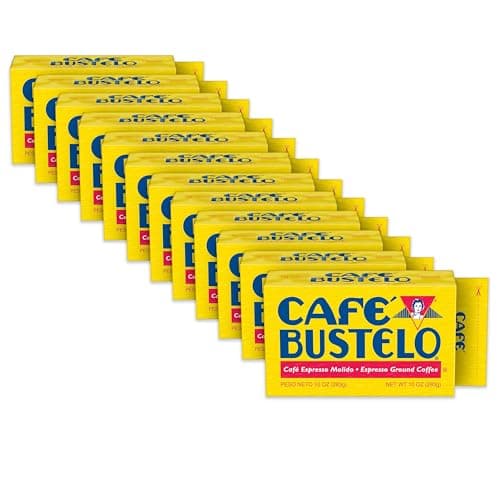
Buy whole bean if you possibly can. Ground coffee loses its aromatics within minutes and goes flat within days, and espresso needs a fine, specific and adjustable grind that a pre-ground bag cannot give you. Pre-ground picks like Cafe Bustelo exist for people without a grinder, but the moment you own one, grinding fresh is the biggest single upgrade you can make — see our best espresso grinders.
Single origin vs blend
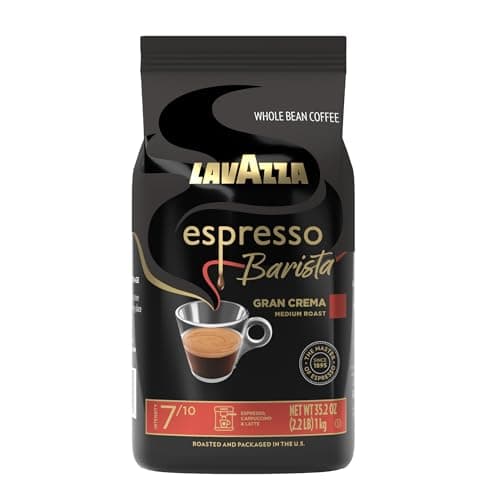
Most classic espresso is a blend, often with a little robusta for crema and body — that is why Super Crema and Gran Crema pour such a thick crema. Single-origin and 100% Arabica beans (Illy, most specialty roasts) tend to be cleaner, brighter and more distinctive, but can be lighter-bodied and fussier to dial in. Start with a forgiving blend, then explore single origins once your setup is consistent. For more on how espresso beans differ from ordinary coffee, see coffee vs espresso beans.
Why some of these blends contain robusta
Several of the picks above are not pure arabica, and that is deliberate rather than a cost-cutting tell. Robusta carries more crema-forming compounds and more caffeine, and a small proportion in an espresso blend produces the thick, stable crema that flatters a home machine — which is also why traditional Italian espresso blends have always included it. The species difference, separate from roast level, is on arabica vs robusta.
If most of your shots end up in milk
This ranking is for espresso as a drink in its own right, and Lavazza Super Crema wins it on balance. Balance is the first thing milk erases. Pour five or six parts steamed milk into one part espresso and the fat and protein mute acidity and bind the aromatics that read as fruit, while the steaming supplies sweetness of its own — so the bean that survives is darker, heavier-bodied and more frankly bitter than the one that wins here. The milk-specific ranking has a different winner and says why: best coffee beans for lattes. For a stovetop brewer, which cannot build crema and so cannot hide a bar blend’s rough edge, see best coffee beans for a moka pot.
How we picked
We did not lab-test this gear
Everyone in this category says they tested twenty machines. We have not lab-tested any of these, and we say so. What we did instead: compiled the published manufacturer specifications, read the manuals, ran the math where there was math to run (heat-up time, pressure, dose capacity, grind range, cost per cup), and scored each pick against a published rubric. The scores are judgments from documented research — not measurements we took, because we do not have a lab and we will not pretend we do. Where a number came from someone else's work, we name them in Sources.