Coffee gifts fail in a predictable way: they are chosen to look impressive rather than to fill a gap. The recipient already owns a machine, so the gift has to be something adjacent to it — and the adjacent things that genuinely improve coffee are cheaper and less showy than the ones marketed as gifts.
Two rules make this easy. First, do not buy the big thing. Espresso machines and grinders are personal, expensive and specific to the drinks someone makes; buying one for another person is a coin flip. Second, buy the thing they would not buy for themselves — the scale, the proper tamper, the kettle they keep meaning to upgrade. That is where a gift lands.
The picks below are ordered by budget, with what each one actually improves, and there is an honest list of gifts to avoid at the end.
Match the gift to the setup they already have
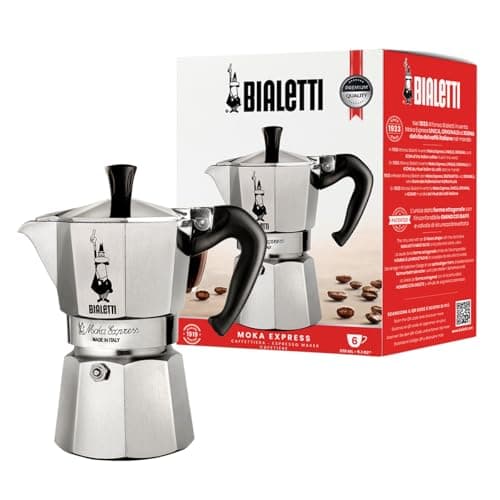
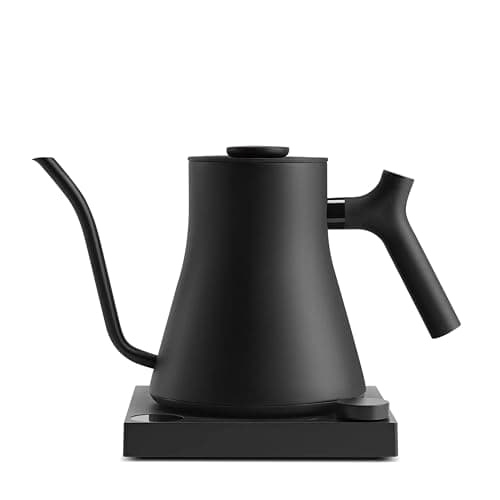
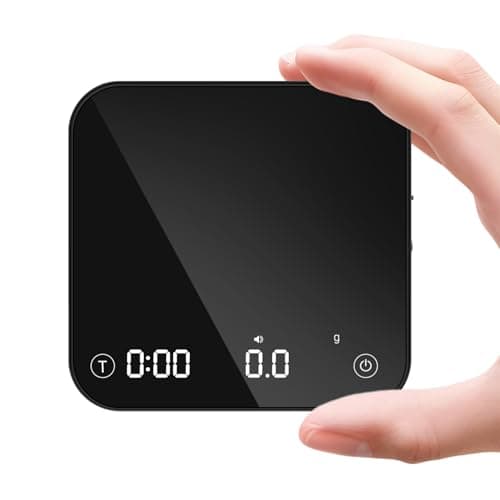
The fastest way to choose is to find out one thing: what do they make coffee with? If the answer is an espresso machine, buy a properly sized tamper, a WDT tool, a scale or a milk pitcher — all cheap, all things that fill a real gap. If the answer is a drip machine, buy a grinder or good beans, because those are the two variables their machine cannot control. If the answer is pour-over, buy a gooseneck kettle or a scale. If the answer is a pod machine, buy a moka pot — you are giving them a different, better drink rather than trying to improve one they have already outsourced.
Budget bands, and what each one buys
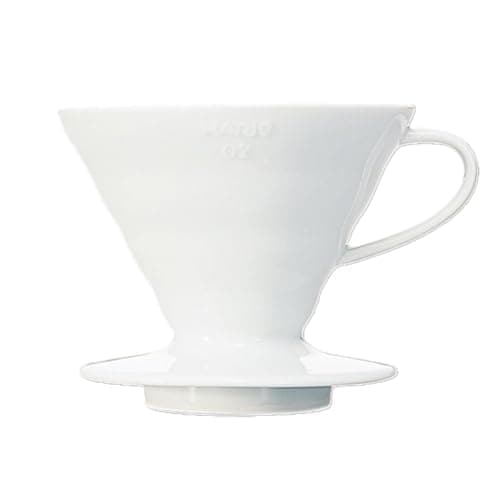
Under $30 is the most efficient band in coffee gifting: a 0.1g scale, a WDT tool, a good milk pitcher, or a Hario V60 with a pack of filters. These are all things that measurably improve a cup, and all things people postpone buying.
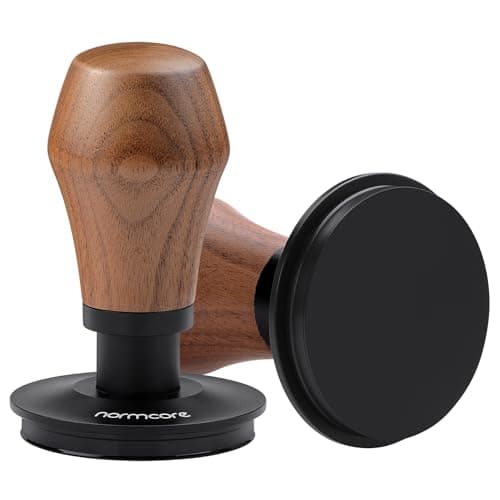
$30–$60 buys a moka pot, a real tamper, a French press or a bag of genuinely excellent single-origin beans with a printed roast date. Safe, and used.
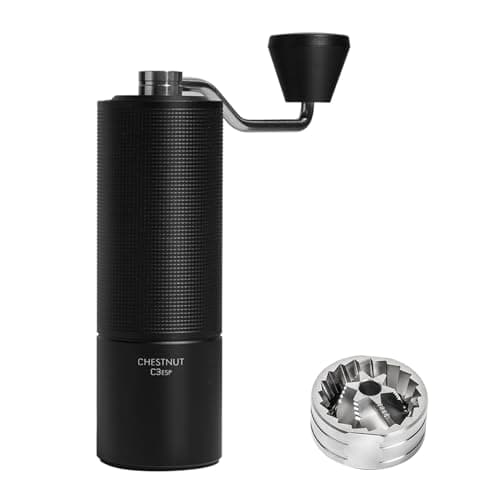
$60–$120 buys the gift that changes their coffee most: a hand grinder with stainless burrs. If they currently use pre-ground coffee, nothing else on this page comes close.
Above $150 is the precision kettle band, or an electric grinder if you know exactly what they brew. Beyond that you are into machines, which are personal enough that a gift card is the kinder gift.
The coffee gifts to avoid
Novelty mugs and flavored pods get used once. Blade grinders are actively worse than pre-ground coffee bought fresh, because they produce dust and boulders together — see burr vs blade. Pre-ground coffee stales within minutes of grinding, so it is a lesser gift than whole beans at the same price. Espresso machines are too personal, too dependent on counter space and too entangled with grinder choice to buy for someone else. And tampers of unknown diameter are the classic well-meant mistake: 58mm and 54mm are not interchangeable, and the wrong one cannot be used at all.
Beans as a gift: get the roast date right
Whole beans are an excellent gift with one condition — the bag must have a printed roast date, not just a “best by” date. Coffee peaks roughly four to twenty-one days after roasting, so a bag with a roast date is a gift with a window, and a bag with only a best-by date could be six months old. Our single-origin picks are a good place to start, since a distinctive origin makes a better present than a house blend.
By budget, and by what they already drink
If you know roughly what you want to spend, the brackets are broken out separately: under $50, under $150— the bracket where hand grinders become the default — and stocking stuffers for the small end. If you know their method rather than your budget, that is the better filter: gifts for espresso drinkers and gifts for pour-over drinkers want almost nothing in common.
How we picked
We did not lab-test this gear
Everyone in this category says they tested twenty machines. We have not lab-tested any of these, and we say so. What we did instead: compiled the published manufacturer specifications, read the manuals, ran the math where there was math to run (heat-up time, pressure, dose capacity, grind range, cost per cup), and scored each pick against a published rubric. The scores are judgments from documented research — not measurements we took, because we do not have a lab and we will not pretend we do. Where a number came from someone else's work, we name them in Sources.