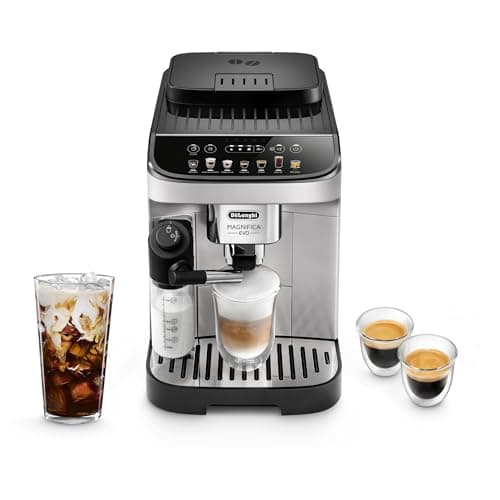
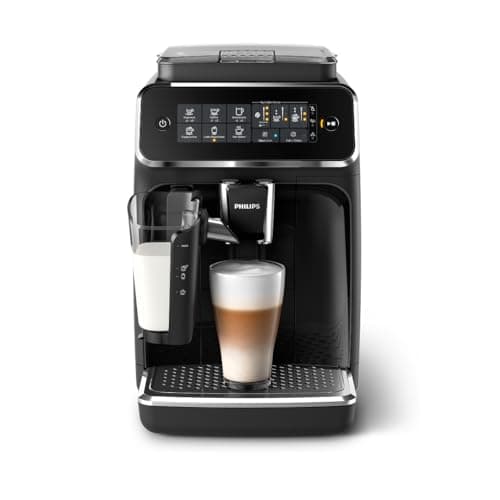
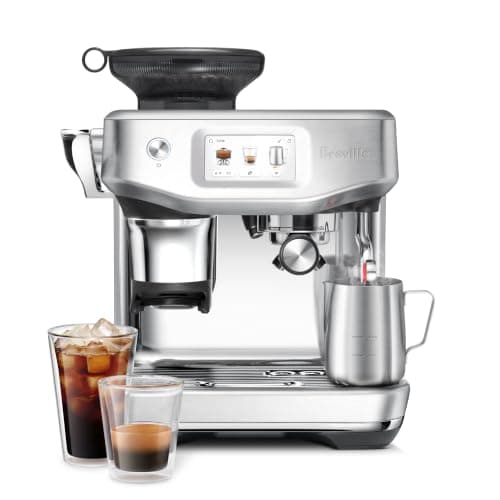
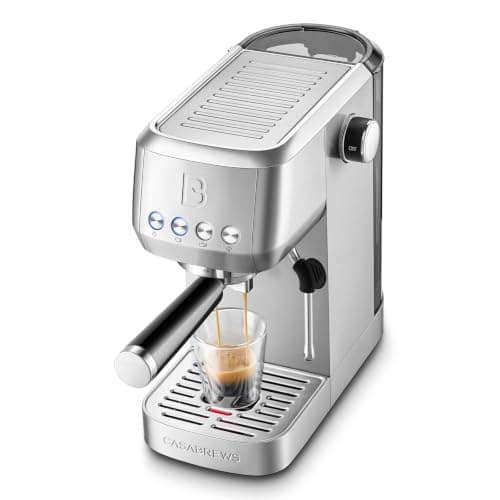
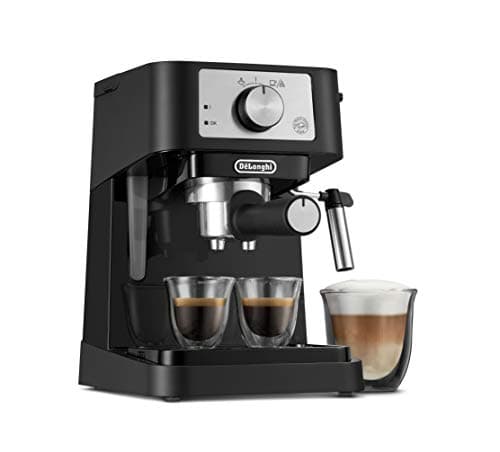
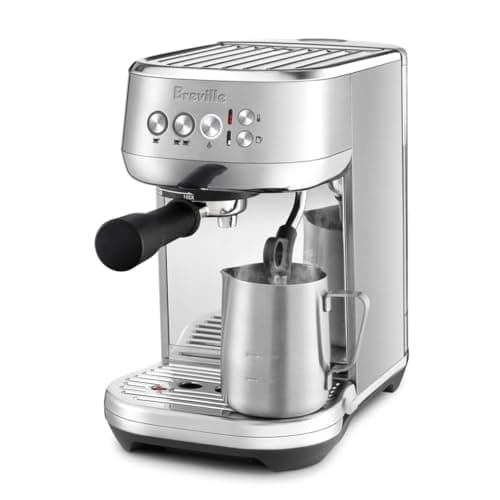
“Milk frother” covers three completely different pieces of hardware, and buying the wrong one is the most common disappointment in home espresso. Before the picks, learn to tell them apart — it takes thirty seconds and saves a return.
A panarello or cappuccino frother is a sleeve over the steam arm that sucks in air automatically. It makes stiff, bubbly foam that sits on a cappuccino perfectly well and collapses in a latte. It cannot make microfoam and cannot pour latte art. A manual steam wand is a bare tip you control, which is what cafés use; with practice it makes glossy microfoam, and with no practice it makes a mess. An automatic steam wand is a real wand with a temperature sensor and a programmed aeration phase — café-quality texture, hands off. A one-touch milk system on a bean-to-cup machine draws milk from a carafe and pours the finished drink for you, which is the most convenient and the least controllable.
The picks below are ranked on how good the milk actually is, with the type named on every entry. If you also need to choose a machine on shot quality, start with the full espresso machine ranking.
How to read a milk-frother spec sheet
Manufacturers use “milk frother” for all four systems, so ignore the phrase and look for the tell-tales. If the listing says “cappuccino system,” “panarello,” or shows a plastic sleeve over the arm, it is an air-injecting frothing aid: bubbly foam, no latte art. If it says “automatic milk frother” and shows a bare metal wand plus a sensor, that is the good kind. If it shows a jug or carafe that clips onto the machine, it is a one-touch system: convenient, uncontrollable. If it is just a bare wand with a knob, it is manual and the result is entirely down to you.
Milk texture is mostly technique — until it is not
On a manual wand, good microfoam comes from getting the tip just under the surface to introduce a short hiss of air in the first few seconds, then submerging it to spin the milk into a whirlpool that folds those bubbles down to nothing. Stop at about 140–150°F; past 160°F the proteins that hold the foam start to break down and the milk tastes cooked. That is the entire skill, and it is why the automatic wands on this list simply time the air phase and stop at a set temperature.
Hardware still sets the ceiling. Steam power decides how quickly you can build a whirlpool, and a weak thermoblock in a $100 machine gives you a long, gentle steam that is harder to texture with, not easier. The number of holes in the steam tip matters too: single-hole tips are slower and more forgiving, multi-hole tips are faster and less so.
Whole milk, cold, in the right pitcher
Whole dairy milk textures most easily because fat and protein together stabilize the foam. Skim milk foams up bigger but drier and collapses faster. Of the plant milks, barista-edition oat milk is the reliable one — standard oat, almond and soy often split or refuse to hold structure. Start with milk straight from the fridge, because cold milk gives you more seconds of working time before it hits temperature, and use a pitcher sized to the drink: fill to just below the spout base, which for a single latte means a 12oz pitcher rather than the 20oz one that looks more professional.
Cleaning is not optional on any of these
Purge the wand for a second before and after every use and wipe it immediately — dried milk is difficult to remove and blocks the tip. Carafe-based one-touch systems need their rinse cycle run after every session and a proper strip-down weekly; skipping that is how milk systems develop a smell that never leaves. This is a real ongoing cost of one-touch convenience and worth weighing before you buy one.
One machine here has its own review
Ninja’s Luxe Cafe is the odd one out in this group — it bundles a grinder, a frother and a cold-brew mode into one body, which makes it hard to compare on a frother rubric alone. We take it apart on its own terms, including what the automation does and does not control, on the Ninja espresso machine review.
If you want to pour latte art, this is the wrong page
Worth stating plainly, because the two questions look identical and are not. Every automatic milk system here — auto-steam wands, LatteCrema carafes, LatteGo circuits — decides the milk texture itself and often delivers it straight into the cup. That is the whole appeal, and it is also why none of them can pour a rosetta: latte art needs pourable microfoam, which needs a bare steam tip you control through a stretch and a texture phase. If drawing a pattern matters more to you than convenience, start at best espresso machines for latte art, which ranks only machines with manual wands and explains the disqualification rule in full.
How we picked
We did not lab-test this gear
Everyone in this category says they tested twenty machines. We have not lab-tested any of these, and we say so. What we did instead: compiled the published manufacturer specifications, read the manuals, ran the math where there was math to run (heat-up time, pressure, dose capacity, grind range, cost per cup), and scored each pick against a published rubric. The scores are judgments from documented research — not measurements we took, because we do not have a lab and we will not pretend we do. Where a number came from someone else's work, we name them in Sources.