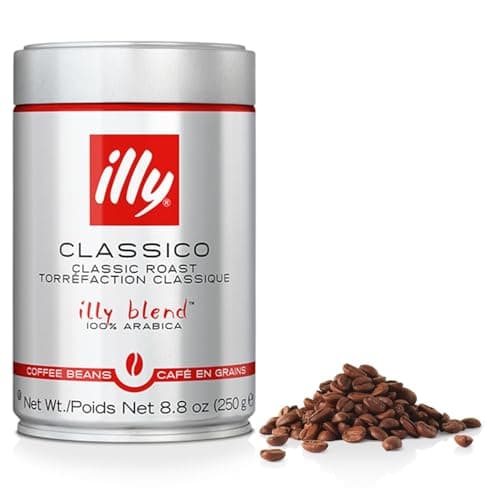
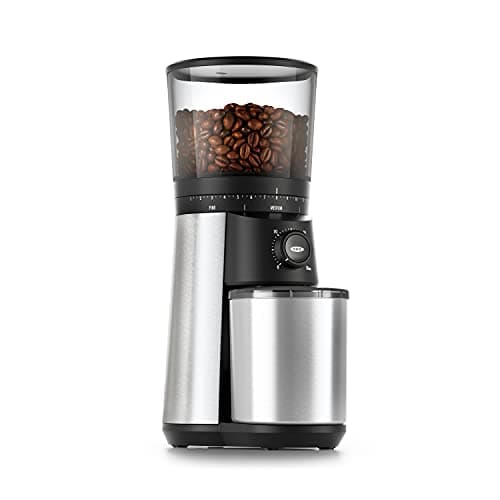
A roasted coffee bean is a sealed container. Inside it are hundreds of volatile aromatic compounds and a reservoir of carbon dioxide left over from roasting, and the intact bean holds them in. Grinding breaks that container into thousands of pieces and multiplies the surface area enormously, which is why ground coffee loses aroma in minutes to hours while whole beans hold up for weeks.
The National Coffee Association puts the practical numbers plainly: at room temperature, whole roasted beans stay good for roughly one to three weeks, ground coffee for one to two — and its actual advice is to grind immediately before brewing. Note that the ground figure is about when it becomes noticeably poor, not when it stops smelling good, which happens far sooner. Open a fresh bag of whole beans and then a fresh bag of pre-ground and the difference in the room is immediate.
That is the case for whole beans and it is a strong one. But there is an honest counter-case most coffee writing refuses to make, and we will make it below: a person who will genuinely not grind every morning gets better coffee from good pre-ground than from a grinder gathering dust.
The mechanism: surface area and oxidation
Staling is a set of surface reactions. Oxygen reacts with the coffee’s oils to produce the flat, cardboard-like flavors of old coffee, and the volatile aromatics that make coffee smell like coffee simply evaporate away. Both processes happen at the surface, so multiplying the surface area multiplies the rate. A whole bean has a small, largely sealed exterior. The same bean ground has an enormous exposed area, all of it reacting at once. That single fact explains the entire difference, and it is why no packaging can make ground coffee behave like whole beans once the pack is open.
The grind-size problem nobody mentions
Even setting freshness aside, pre-ground coffee has a second and quieter problem: it is ground to one size, and the correct size differs enormously by method. A French press wants coarse grounds, like rock salt. Espresso wants fine, like table salt. Drip and pour-over sit in the middle. A supermarket “medium” grind is a compromise that is wrong for every method except the one it happened to be optimized for — and using it in a French press means fines slipping through the mesh and turning the cup muddy and bitter. Our grind size chart shows how far apart the targets really are.
How much does it actually cost you?
Be proportionate. Fresh grinding is worth more than a better brewer and much more than a fancier kettle, but less than the difference between a stale supermarket bag and a fresh specialty one. If you are ranking upgrades by effect per dollar, the order is roughly: buy fresher coffee, then grind it yourself with burrs, then improve the brewer, then everything else. A blade grinder is not a step on that ladder at all — it produces dust and boulders simultaneously, and the result can genuinely be worse than good pre-ground. The reasoning is in burr vs blade grinder.
If you buy ground, buy well
Three rules. Buy the smallest quantity you will finish in a week or two, because the NCA’s guidance on buying in small batches applies twice as hard to ground coffee. Prefer nitrogen-flushed tins or valved bags over anything sitting open on a shelf. And store it in an opaque airtight container away from heat and light — air, moisture, heat and light are the four enemies, and ground coffee is more vulnerable to all of them. Our storage picks cover the hardware.
The freezer, for whole beans
The NCA notes that experts differ on freezing, and that because coffee is hygroscopic — it absorbs moisture and odors readily — freezing can help in humid climates. If you do it, use genuinely airtight containers and take out only about a week’s supply at a time, because condensation on cold beans does more damage than the staling you were avoiding. Never freeze ground coffee for the same reason, magnified: all that surface area is now available to absorb water.
The honest recommendation
If you will grind, grind — the difference is real, immediate and larger than most gear upgrades. If you know yourself well enough to know you will not, buy well-packed ground coffee in small quantities and stop feeling guilty about it; the worst coffee is the coffee made from a system you have abandoned. And if the obstacle is noise or effort at 6am, grind the night before into an airtight container: it is not as good as grinding fresh, but it is far better than a bag that was ground three months ago in a factory.
How we picked
We did not lab-test this gear
Everyone in this category says they tested twenty machines. We have not lab-tested any of these, and we say so. What we did instead: compiled the published manufacturer specifications, read the manuals, ran the math where there was math to run (heat-up time, pressure, dose capacity, grind range, cost per cup), and scored each pick against a published rubric. The scores are judgments from documented research — not measurements we took, because we do not have a lab and we will not pretend we do. Where a number came from someone else's work, we name them in Sources.