Skip to content
Tamp & Pour

Guides & explainers · Learn

Is making espresso at home worth it?

Financially, almost always yes — and the break-even point arrives much sooner than people expect. The interesting question is the three cases where it does not, and nobody writes about those.

By Stephen V.Updated How we review
#ad

We earn a commission when you buy through our Amazon links, at no extra cost to you. It never changes a verdict, and we say so when the cheaper product is the better buy. How this works.

Yes, if you drink espresso most days. The arithmetic is unusually favourable because the coffee itself is cheap: an 18g double shot means a 2.2lb (1kg) bag yields about 55 doubles, so your cost per shot is the bag price divided by 55 — cents, not dollars, plus a splash of milk. Against cafe prices, a complete home setup typically pays for itself inside a year of daily drinking. It is not worth it in three specific cases: if you buy one coffee a week, if you will not buy a grinder, or if what you actually like about cafe coffee is the cafe.

We are going to do this in grams and shots rather than dollars, for a reason. Any article that prints “a latte costs $5.75” is wrong by the time you read it, and prices vary enormously by city. Grams per shot and shots per bag do not change. Put your own numbers into the structure below and the answer for your situation falls out.

Step 1: shots per bag

A double espresso uses about 18g of coffee on a 58mm basket, a little less on the smaller baskets found on entry machines. That gives you a clean conversion:

  • 1kg / 2.2lb bag at 18g per double: about 55 doubles
  • 340g / 12oz bag at 18g per double:about 18–19 doubles
  • 1kg bag at 14g (a 51mm basket): about 71 doubles

So: take the price of the bag you actually buy, divide by the number above, and that is your coffee cost per shot. Add milk if you drink milk drinks — a cappuccino uses roughly 120–150ml, so a litre of milk makes six to eight of them. For most people in most places, those two numbers together land at well under a dollar a drink even with good beans, which is the entire reason home espresso is a good financial decision.

One honest adjustment: add about 10% of a bag for the shots you throw away while dialling in a new coffee. It is real, it is unavoidable, and it is also the reason choosing a forgiving bean saves money in the first month.

Step 2: what the setup actually costs

This is where people get it wrong, in both directions. The machine is not the cost; the setup is. A realistic minimum is a machine, a burr grinder, a tamper and a scale, and the single most expensive mistake in home espresso is buying a good machine and a bad grinder. Grind consistency decides whether espresso is possible at all, which is why every page on this site treats the grinder as part of the purchase rather than an upgrade.

Three honest tiers, in the shape of what they ask of you rather than in dollars we would have to invent:

The try-it tier. A pressurized-basket machine plus the cheapest real burr grinder. The pressurized basket forgives a mediocre grind by making crema with a valve instead of with the coffee, which caps the ceiling but gets you drinking espresso this week. This is the tier we would choose for the person who is not sure yet, and the two picks below are exactly it.

The committed tier. A machine with a single-wall basket and instant heat-up plus a grinder with fine, repeatable adjustment. This is where shots start improving as you do, and it is the tier where most people stop. Our under-$300 rankings and under-$500 rankings are the shopping list.

The bean-to-cup shortcut. One appliance that grinds, brews and froths. It costs more than the committed tier and makes a slightly worse shot, and for a lot of households that is the correct trade because the alternative is a machine nobody uses. See best super-automatic espresso machines.

Step 3: the break-even calculation

Take your cafe drink price. Subtract your home cost per drink from step one. That difference is what you save per drink. Divide the total setup cost by that saving and you have the number of drinks to break even; divide by how many you drink a week and you have the number of weeks.

Run that for a daily drinker and the answer is usually months rather than years, even for a committed-tier setup. Run it for a once-a-week drinker and the answer is often several years — longer than the machine’s likely life, which we cover on how long espresso machines last. That lifespan figure belongs in the calculation: a machine that pays back in four years and dies in five was not a good investment, it was a wash.

The costs people leave out

Water treatment or descaler.Not optional, and cheap next to the machine. Limescale is the main thing that kills domestic espresso machines, so this line is really an extension of the machine’s life.

Cleaning supplies. A tub of backflush tablets lasts over a year and keeps shots from drifting bitter.

Electricity. Genuinely trivial for a machine that heats for a few minutes a day. Worth a mention only because people ask.

Your time. The real cost. A manual setup is five to ten minutes including grinding, dosing, pulling and wiping down. Mornings where that is a pleasure are the whole point; mornings where it is an obstacle are why machines end up in cupboards.

The three cases where it is not worth it

1. You drink one or two coffees a week.The payback period runs past the machine’s life, and a hand grinder plus a moka pot or an AeroPress gets you excellent coffee for a fraction of the outlay. Our moka pot rankings are the honest alternative here.

2. You will not buy a grinder. Pre-ground coffee behind a single-wall basket does not produce espresso, and pre-ground behind a pressurized basket produces something drinkable but permanently mediocre. If the grinder is not in the budget, the honest advice is to spend the whole budget on a grinder and a cheaper brewer instead — the burr vs blade comparison explains why this is not negotiable.

3. What you like is the cafe. If the walk, the people and the twenty minutes not at your desk are the actual product, a machine does not replace any of it. This sounds like a joke and it is the most common reason a home setup goes unused.

What you gain that is not money

Freshness is the real one. A bag of beans ground at the moment of brewing tastes different from coffee ground days earlier, and that difference is larger than the difference between a good cafe and an average one. You also get control: your ratio, your temperature, your milk, your roast. And you get espresso at 6am on a Sunday. For most people who stick with it, those are the reasons they stay — the savings are what justified the purchase, not what sustains it.

The cheapest honest way to find out

Buy the try-it tier, deliberately. A pressurized-basket machine, a burr grinder that can actually reach espresso fineness, and a forgiving bean. If you love it, the grinder carries forward to a better machine and nothing is wasted. If you do not, you have spent the price of a few weeks of cafe coffee to find out. Below are the three things that tier is made of.

The short answer

Quick picks

  • 01
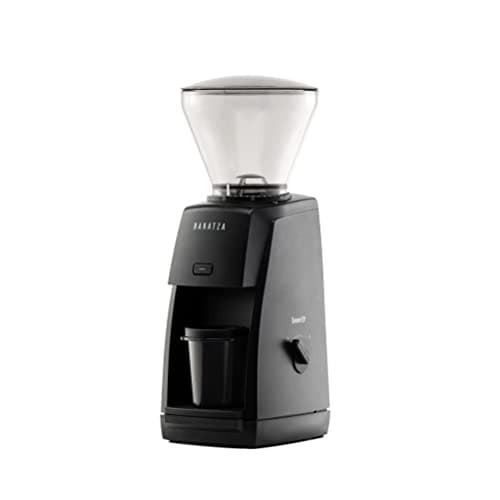
    Baratza Baratza Encore ESP
    Baratza Encore ESP

    Buy this before the machine. It reaches genuine espresso fineness, adjusts in small enough steps to dial a shot in, and Baratza sells the parts — so it carries forward to whatever machine you buy next.

    8.0Buy first — the component that decides whether any of this works
  • 02
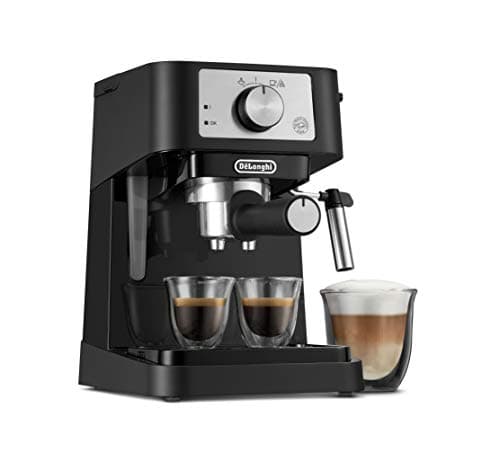
    De'Longhi De'Longhi Stilosa (EC260)
    De'Longhi Stilosa (EC260)

    The honest 'is home espresso for me?' machine: around a hundred dollars, a real steam wand and a tamper included — pressurized basket, so it flatters any grind but caps how far you can go.

    6.9The try-it machine — lowest cost to find out
  • 03
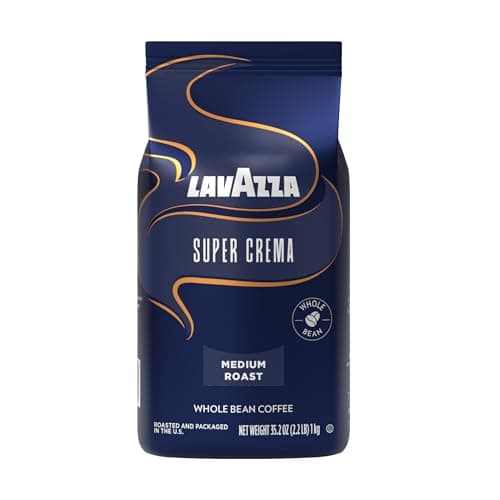
    Lavazza Lavazza Super Crema
    Lavazza Super Crema

    The forgiving default while you learn: a mild, creamy blend that pulls a thick crema and a chocolatey shot before your grind is fully dialed in — and a 2.2lb bag is roughly 55 doubles.

    8.3The bean to learn on — and the one the math is based on

#ad · Live prices from the Amazon Product API, as of October 18, 2026. Where we have no verified live price, we show none — a gap beats a number that has rotted.

In detail

The picks, in full

01
Baratza Baratza Encore ESP

Buy first — the component that decides whether any of this works

Baratza Encore ESP

40mm conical burrEspresso to pour over rangeStepped adjustmentPlastic body, metal burrs
8.0/10

Buy this before the machine. It reaches genuine espresso fineness, adjusts in small enough steps to dial a shot in, and Baratza sells the parts — so it carries forward to whatever machine you buy next.

Grind consistency
8
Adjustment range
8.5
Retention
6.5
Build
7.5
Value
9.5

Pros

  • Genuinely does both espresso and filter, which few grinders near this price manage
  • Backed by Baratza's parts and repair support — a grinder you can keep running for years
  • Simple, forgiving and easy to dial in for a first burr grinder

Cons

  • Stepped adjustment is coarser than a stepless espresso grinder's micro-steps
  • Conical design retains some grounds, so a single dose needs a small habit of purging

Don't buy this if…

…you pull espresso every day and chase the last bit of precision — a stepless flat-burr espresso grinder gives finer control between settings.

Who it is for:anyone answering this page’s question with “probably.” We list it first deliberately, because the grinder is the only component whose absence makes the whole exercise pointless, and because it is the one purchase that survives every future upgrade. Note the ESP in the name: the standard Baratza Encore does not reach espresso fineness and the ESP version does, which is the whole difference — Encore vs Encore ESP covers it. Cheaper options exist and we rank them honestly on best budget coffee grinders.

$199.95View on Amazon

Price as of October 18, 2026. Prices change — Amazon's at checkout is the one that counts.

#ad · we may earn a commission from this link to Baratza Encore ESP

02
De'Longhi De'Longhi Stilosa (EC260)

The try-it machine — lowest cost to find out

De'Longhi Stilosa (EC260)

Pressurized portafilter15-bar pumpManual steam wandTamper included
6.9/10

The honest 'is home espresso for me?' machine: around a hundred dollars, a real steam wand and a tamper included — pressurized basket, so it flatters any grind but caps how far you can go.

Shot quality
6
Steam power
6
Build
6
Ease of use
8
Value
8.5

Pros

  • The cheapest legitimate way to find out if you like making espresso
  • Pressurized basket forgives a mediocre grinder while you learn
  • Compact and genuinely usable for milk drinks

Cons

  • Pressurized basket limits how good the shot can get
  • Plastic-heavy build; not a machine you grow into

Don't buy this if…

…you already know you're serious — you'll outgrow the pressurized basket fast and wish you'd bought the Barista Express instead.

Who it is for: the reader who wants to answer the question for the price of a few weeks of cafe coffee. Its own cons are the reason it is here rather than in spite of it: a pressurized basket caps the shot, and a capped shot you make every morning beats an uncapped one you were too intimidated to buy. If you discover you love it, the grinder above carries forward and this machine has done its job. Our full Stilosa review covers what it can and cannot do, and under-$200 machines lists the alternatives at the same price.

$149.95View on Amazon

Price as of October 18, 2026. Prices change — Amazon's at checkout is the one that counts.

#ad · we may earn a commission from this link to De'Longhi Stilosa (EC260)

03
Lavazza Lavazza Super Crema

The bean to learn on — and the one the math is based on

Lavazza Super Crema

Medium espresso roastArabica/Robusta blendWhole bean2.2 lb bag
8.3/10

The forgiving default while you learn: a mild, creamy blend that pulls a thick crema and a chocolatey shot before your grind is fully dialed in — and a 2.2lb bag is roughly 55 doubles.

Flavor
8.5
Crema & body
9
Freshness policy
6.5
Versatility
9
Value
8.5

Pros

  • Robusta in the blend delivers a thick, lasting crema that flatters any machine
  • Mild, chocolatey and low in acidity — an easy shot straight or in milk
  • Widely stocked and sold in a large 2.2 lb bag, so it is easy to keep on hand

Cons

  • Grocery bags carry a best-by date, not a roast date, so freshness is a guess
  • Too mellow for drinkers who want a bold, punchy or bright specialty shot

Don't buy this if…

…you want a bright, fruit-forward or intensely bold shot — this is deliberately smooth and mild, which is exactly why it works as a default but not as a statement.

Who it is for: the first three months. This is the bean the arithmetic at the top of the page is easiest to run with, because the 2.2lb bag is the standard unit and it divides into roughly 55 doubles at an 18g dose. It is also genuinely forgiving: the robusta in the blend builds crema that holds up while your technique does not, which reduces the number of shots you pour away. The honest caveat is freshness — supermarket bags carry a best-by date rather than a roast date. Once you are dialled in, the specialty roasts on best coffee beans for espresso are where the flavour actually is.

$23.51View on Amazon

$26.9913% off

Price as of October 18, 2026. Prices change — Amazon's at checkout is the one that counts.

#ad · we may earn a commission from this link to Lavazza Super Crema

Shots per bag, by dose and bag size

Bag sizeAt 14g (51mm basket)At 18g (54/58mm double)At 20g (larger double)
340g / 12oz~24 doubles~18–19 doubles~17 doubles
454g / 1lb~32 doubles~25 doubles~22 doubles
1kg / 2.2lb~71 doubles~55 doubles~50 doubles

Divide the price you pay for the bag by the figure in your column and you have your coffee cost per shot. Then subtract roughly 10% of the bag for dialling-in waste on a new coffee.

Milk, for milk drinkers

A cappuccino uses roughly 120–150ml of milk, a latte more. A litre therefore makes about six to eight cappuccinos. In almost every market that is a smaller number than the coffee cost, which is why milk drinks are the ones where home brewing saves the most against cafe prices — a cafe charges a significant premium for the milk and the labour of texturing it. What that actually takes is on how to froth milk, and which milk behaves is on best milk for frothing.

The setup, in the order to buy it

OrderItemWhy here
1Burr grinder that reaches espresso finenessWithout it, nothing else works. Carries forward to every future machine.
2MachinePressurized basket to try it; single-wall if you already know you are serious.
3Tamper matching your basket diameter51mm, 54mm or 58mm. The one spec that cannot be approximated.
40.1g scale with a timerThe cheapest consistency upgrade there is.
5Descaler or water treatmentExtends the machine’s life, which is part of the payback math.
6Milk pitcher, knock box, everything elseQuality-of-life, not quality-of-cup.

We set that order out in detail on the espresso accessories starter kit and home espresso setup.

Why espresso machines cost what they cost

A reasonable question once you have seen the price range, and the answer is three components. Temperature stability: holding water within a degree or two under load needs either mass (a brass boiler) or control (a PID), and both cost money. Steam capability: texturing milk properly needs dry steam at pressure, which on cheap machines means waiting between brewing and steaming and on expensive ones means a second boiler. Serviceability: catalogued parts, a rebuildable group and a repair network are a real cost that shows up as longevity rather than as a feature. What you are not paying for is bar numbers — a 20-bar pump brews at the same roughly 9 bar as a 15-bar one, as we explain on 15 bar vs 20 bar.

The honest alternative if the answer is no

If you work through the arithmetic and espresso does not justify itself, that is a real result and there is a good answer: spend the money on a grinder and a manual brewer. A hand grinder plus a moka pot, an AeroPress or a V60 produces coffee that is genuinely excellent rather than a consolation prize, costs a fraction of an espresso setup, and has nothing to descale. The methods are compared on coffee brewing methods, and best coffee maker for beginners makes the same argument with picks.
How we picked

We did not lab-test this gear

Everyone in this category says they tested twenty machines. We have not lab-tested any of these, and we say so. What we did instead: compiled the published manufacturer specifications, read the manuals, ran the math where there was math to run (heat-up time, pressure, dose capacity, grind range, cost per cup), and scored each pick against a published rubric. The scores are judgments from documented research — not measurements we took, because we do not have a lab and we will not pretend we do. Where a number came from someone else's work, we name them in Sources.

Questions

Frequently asked

Is making espresso at home cheaper than buying it?
For a daily drinker, yes, and by a wide margin per cup. An 18g double means a 2.2lb bag yields about 55 doubles, so your coffee cost per shot is the bag price divided by 55 — cents rather than dollars. The setup cost is what takes time to recover, and for daily drinking that is usually months.
How many shots of espresso are in a bag of coffee?
At an 18g double: roughly 18–19 shots from a 12oz bag, about 25 from a 1lb bag, and about 55 from a 2.2lb (1kg) bag. A smaller 14g dose on a 51mm basket stretches a 1kg bag to about 71 doubles.
What is the minimum I need to make espresso at home?
A machine, a burr grinder that genuinely reaches espresso fineness, and a tamper that matches your basket diameter. A 0.1g scale comes next and is the cheapest consistency upgrade available. The grinder is not optional — pre-ground coffee cannot make espresso behind a single-wall basket.
How long does it take for a home espresso setup to pay for itself?
Divide your total setup cost by the saving per drink (your cafe price minus your home cost per drink), then divide by drinks per week. For a daily drinker that usually lands in months. For a once-a-week drinker it can exceed the machine's likely lifespan, which is the clearest case for not buying one.
Is it hard to make espresso at home?
Behind a pressurized basket, no — it is close to foolproof, and the ceiling is low. Behind a single-wall basket there is a genuine learning curve of a few weeks, mostly in grind adjustment and milk texturing. Our step-by-step guide is the sequence, and the usual failures are in why is my espresso sour or bitter.
What makes espresso machines so expensive?
Temperature stability (boiler mass or a PID), real steam capability, and serviceability — catalogued parts and a rebuildable group. Those three are what separate a $100 machine from a $2,000 one. Pump pressure ratings are not: a 20-bar machine still brews at about 9 bar.

Keep reading

Receipts

Sources

We do not run a testing lab, and we do not pretend to. Where a measured number came from someone else's work, we name them and link them. Where we could not verify something, we say so on the page rather than quietly leaving it out. Read our full method.