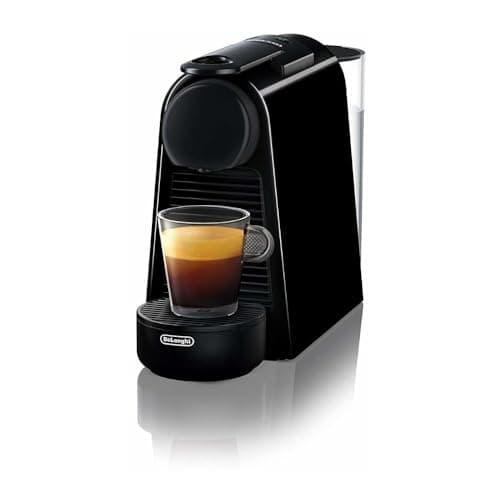
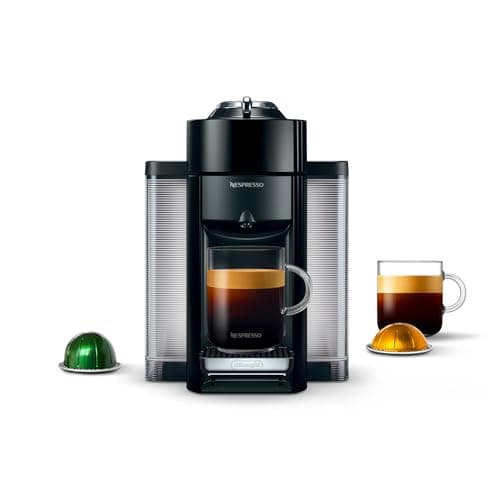
Choosing a Nespresso machine is not really a choice of machine, it is a choice of system, and it is effectively permanent. Original and Vertuo capsules are physically and technologically incompatible: an Original pod will not work in a Vertuo machine and vice versa. Whichever you pick, you are choosing where you buy coffee for as long as you own it.
The two systems also extract coffee in genuinely different ways. Original machines use high-pressure extraction — Nespresso specifies a 19-bar system — in the same family as a conventional espresso machine, forcing water through a dome-shaped aluminum capsule. Vertuo uses what Nespresso calls Centrifusion: the capsule spins at up to 7,000 rpm while water is introduced, and the coffee is thrown out through the rim by centrifugal force. Each capsule carries a barcode that tells the machine the volume, temperature and spin profile to use.
That difference produces two different drinks, and the rest of the comparison follows from it.
The two systems side by side
| | Original | Vertuo |
|---|
| Extraction | 19-bar pressure | Centrifusion, up to 7,000 rpm |
| Capsule | Dome-shaped aluminum, no barcode | Barcoded, dome with wide rim |
| Drink sizes | Ristretto, espresso, lungo (up to ~3.7oz) | ~1.35oz espresso up to ~18oz carafe |
| Third-party pods | Widely available and cheap | Limited selection |
| Best for | Espresso drinkers, cost-conscious buyers | Mug drinkers, one-button consistency |
Why the barcode matters more than it sounds
Vertuo capsules carry a printed barcode that the machine reads before brewing, and it sets the water volume, the temperature and the rotational speed for that specific coffee. That is why there are no buttons to choose a size — the capsule decides. It is genuinely clever engineering and it produces very consistent results with zero skill. It is also the mechanism of the lock-in: a capsule without a valid barcode does not brew, which is why the third-party Vertuo market is so much smaller than the Original one.
The cost difference over time
Machines are the small number here. If you drink two capsules a day, you will spend far more on pods in the first year than the machine cost, and the Original line’s open market means real price competition on that spend. Vertuo’s per-drink cost is higher and has fewer alternatives. Neither is cheap next to ground coffee — the honest comparison is in our pod machine roundup — but between the two systems, Original wins the arithmetic clearly.
Is Vertuo coffee actually espresso?
At its smallest size it is espresso-like, and at mug sizes it plainly is not — it is a crema-topped coffee, which is a drink the drip world does not make. The crema comes from aeration during the spin rather than from pressure through a compacted puck, which is a different physical process producing a similar-looking result. If you want to understand what separates real espresso from things that resemble it, that is in what is espresso.
Milk drinks on either system
Neither system steams milk in the way an espresso machine does. Some machines in both lines include an attached frother, and both are commonly paired with a stand-alone unit such as an Aeroccino, which spins milk into foam rather than stretching it with steam. That is perfectly good for a flat-white-ish drink and will not pour latte art. Our milk frother roundup covers the options and their real limits.
Which should you buy?
Buy Original if your drink is espresso or a small milk drink, if you want the lowest running cost, or if being able to shop around for pods matters to you. Buy Vertuo if you want a mug of coffee as well as espresso, if consistency with zero thought is the appeal, and if you are comfortable buying capsules from essentially one supplier for the life of the machine. And if what you actually want is a mug of black coffee for the lowest possible cost, neither — that is a drip machine.
How we picked
We did not lab-test this gear
Everyone in this category says they tested twenty machines. We have not lab-tested any of these, and we say so. What we did instead: compiled the published manufacturer specifications, read the manuals, ran the math where there was math to run (heat-up time, pressure, dose capacity, grind range, cost per cup), and scored each pick against a published rubric. The scores are judgments from documented research — not measurements we took, because we do not have a lab and we will not pretend we do. Where a number came from someone else's work, we name them in Sources.