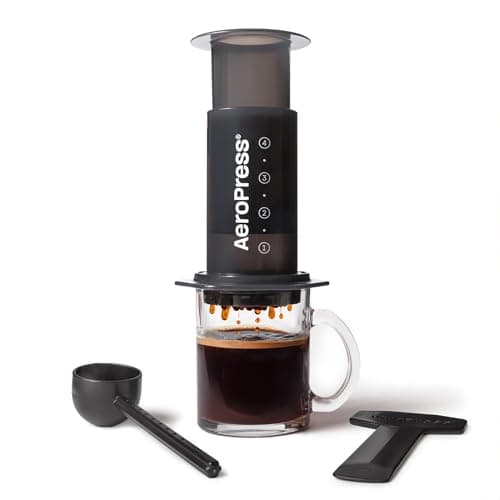
For most students the right answer is the AeroPress— it makes genuinely good coffee, costs about the same as three weeks of campus lattes, has no heating element for your housing office to object to, and fits in a drawer. Buy a real espresso machine instead only if milk drinks are the point: the CASABREWS CM5418 is the cheapest one here with a steam wand, and the Nespresso Essenza Mini is the smallest way to get a crema-topped shot with no technique at all. If your room has no kettle allowance, the Keurig K-Mini is the lowest-friction option on this page and the most expensive to run.
Every other list for this query ranks small espresso machines by price. That misses the two constraints that actually decide what works in student housing, so this page ranks on those instead.
The two rules that decide this, before any spec
1. Your housing contract, not the machine.Most US residence halls restrict or ban open-element appliances in rooms — the usual wording covers hot plates, exposed coils and anything with an open heating element, while sealed, automatic shut-off appliances like a pod brewer or a drip machine are commonly allowed. The rules vary by school and sometimes by building, and the only reliable source is your own housing office or residence-life handbook. Two practical consequences: a stovetop moka pot needs a cooktop you are allowed to use, which usually means a shared kitchen rather than your room, and an electric kettle is the item most worth checking on before you buy anything that needs one.
2. Cost per cup over four years, not the sticker price.This is the number that separates these picks by hundreds of dollars. A pod machine is the cheapest hardware and by far the most expensive habit: a pod is a small fixed dose of pre-ground coffee, and per pound that is a multiple of whole beans. An AeroPress is the opposite — modest hardware, a paper disc per cup, and beans you buy by the bag. If you drink coffee daily for four years, the running cost dominates and nothing else on this page comes close to mattering as much.
What we ranked on
Footprint— a dorm desk is shared with a laptop and a lamp, so width matters more than height. Housing-rule risk— whether the thing has an open element or needs a cooktop. Noise— you live a wall away from someone on a different schedule, and a grinder at 7am is a roommate problem. Cleanup without a sink— in a dorm the nearest drain is often down the hall, which rules out anything that needs rinsing mid-brew. Cost per cup. And then, last, the cup itself.
Note what this ordering does to the ranking: the winner is not an espresso machine, and the two highest-scoring machines on cup quality are not at the top. If you have a kitchen rather than a dorm room and a real budget, you are on the wrong page — start at best espresso machines under $200, which ranks the same money purely on shot quality, or best compact espresso machines if the constraint is counter space rather than campus rules.
The short answer
Quick picks
01AeroPress Original Coffee PressThe right default for a dorm: no element to clear with housing, cleanup in five seconds, a cup that beats anything a pod can do, and a running cost of beans plus a paper disc.
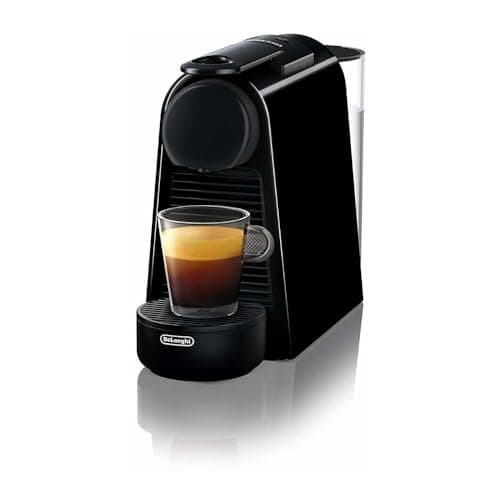
9.1Best overall for students 02Nespresso Essenza Mini by De'LonghiThe smallest way to get a real crema-topped shot in a dorm room: sealed, automatic, quiet, and the cheapest pods of any system because dozens of third parties make them.
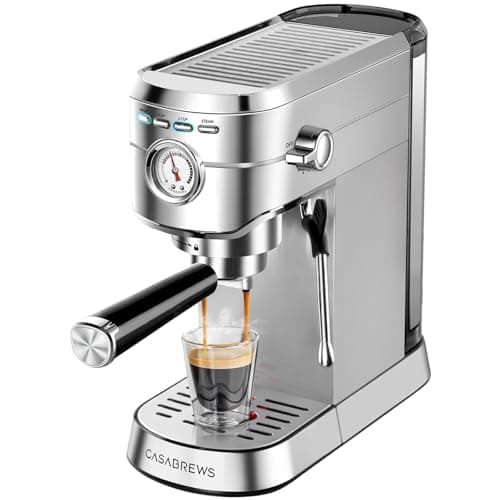
8.6Best real espresso shot for a dorm 03CASABREWS CM5418 Compact Espresso MachineThe cheapest way to get a steam wand into a student apartment: a stainless body, a pressure gauge to learn on, and a real wand rather than a plastic sleeve.
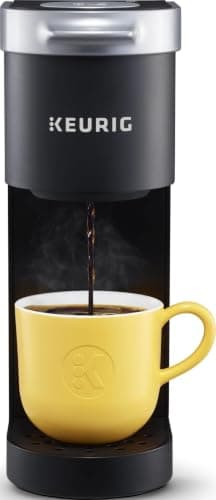
7.1Best for milk drinks on a student budget 04Keurig K-MiniThe lowest-friction object in coffee and the most expensive to run: under five inches wide, nothing to clean, a hot cup in a minute, at the highest cost per cup on this page.
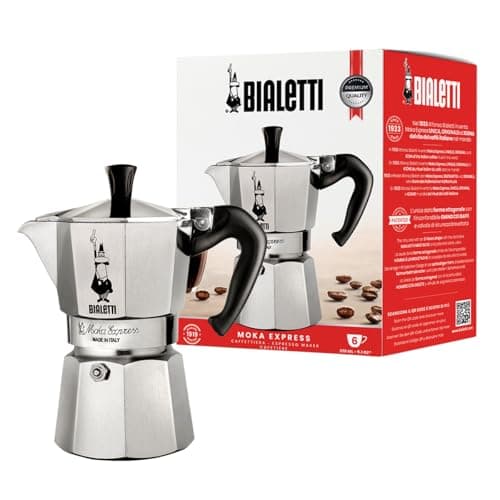
7.9Best for a desk with no sink 05Bialetti Moka Express (6 cup)The cheapest strong, chocolatey brew there is, with no electricity and nothing to break — if you have a cooktop you are allowed to use.
8.7Best cheap pick for a shared kitchen
| # | Product | Best for | Score | Price |
|---|
| 01 | AeroPress Original Coffee PressThe right default for a dorm: no element to clear with housing, cleanup in five seconds, a cup that beats anything a pod can do, and a running cost of beans plus a paper disc. | Best overall for students | | $39.95·Amazon |
| 02 | Nespresso Essenza Mini by De'LonghiThe smallest way to get a real crema-topped shot in a dorm room: sealed, automatic, quiet, and the cheapest pods of any system because dozens of third parties make them. | Best real espresso shot for a dorm | | $171.85·Amazon |
| 03 | | Best for milk drinks on a student budget | | $118.99·Amazon |
| 04 | Keurig K-MiniThe lowest-friction object in coffee and the most expensive to run: under five inches wide, nothing to clean, a hot cup in a minute, at the highest cost per cup on this page. | Best for a desk with no sink | | $77.49·Amazon |
| 05 | Bialetti Moka Express (6 cup)The cheapest strong, chocolatey brew there is, with no electricity and nothing to break — if you have a cooktop you are allowed to use. | Best cheap pick for a shared kitchen | | $52.50·Amazon |
#ad · Live prices from the Amazon Product API, as of October 18, 2026. Where we have no verified live price, we show none — a gap beats a number that has rotted.
In detail
The picks, in full
Best overall for students
AeroPress Original Coffee Press
Immersion brew, paper microfilterAbout one mug per cycleNo electricity, no kettle standCleanup in roughly five seconds
The right default for a dorm: no element to clear with housing, cleanup in five seconds, a cup that beats anything a pod can do, and a running cost of beans plus a paper disc.
- Forgiveness
- 9.5
- Ease on day one
- 8.5
- Cup quality
- 8.5
- Cost to run
- 9
- Cleanup
- 10
Pros
- +The immersion phase does the work, so grind size and pour technique matter far less than in any pour-over — a careless AeroPress is still good coffee
- +The paper filter gives you a clean cup with none of the sediment a press leaves behind, which is the usual reason beginners bounce off French press
- +Cleanup is genuinely a few seconds: eject the puck into the bin, rinse the seal, done
- +Nearly indestructible and packs into a bag, so it doubles as the travel and office brewer
- +Brews at a concentrated ratio you dilute afterwards, so one device makes a strong black coffee or a base for a milk drink
Cons
- −It makes roughly one mug per cycle, so serving three people means three rounds
- −Paper filters are a small ongoing consumable, though a reusable metal filter is sold separately
- −It is a plastic tube — functional rather than something you display on the counter
- −The rubber seal stiffens after a few years and is a genuine wear part
Don't buy this if…
…you brew for a household rather than a person. One cycle is one drink, so a family of four means four rounds before breakfast — buy a French press or a drip machine for that.
Who it is for: essentially every student who drinks coffee daily and does not specifically need steamed milk. It wins this page on the two criteria dorm life actually imposes. It has no heating element at all, so the only thing you need cleared with housing is the kettle — and if even that is a problem, the hot water tap in a dorm kitchen or a shared water cooler will brew a drinkable cup. And cleanup is one motion into a bin, which matters enormously when the sink is down the hall: there is no carafe to carry, no portafilter to knock out, no basket to rinse.
The cost case over four years. You are buying beans by the bag and a paper disc per cup, with no pods, no descaling and no proprietary consumable. A single bag of whole beans makes dozens of drinks at a fraction of pod pricing, which over eight semesters is the difference between a rounding error and a real line in your budget. The hardware also survives being thrown in a bag at the end of term, which the rest of this page does not.
Where it stops: volume and milk. One cycle is one drink, so it is the wrong tool for a room where four people want coffee at once, and it cannot steam milk — if a daily latte is the whole reason you are buying, skip to the CASABREWS or the Nespresso below. Full detail in our AeroPress review.
Best real espresso shot for a dorm
Nespresso Essenza Mini by De'Longhi
Nespresso Original podsHigh-pressure extractionEspresso and lungo sizesVery compact body
The smallest way to get a real crema-topped shot in a dorm room: sealed, automatic, quiet, and the cheapest pods of any system because dozens of third parties make them.
- Cup quality
- 8
- Speed & convenience
- 9
- Pod cost
- 8.5
- Footprint
- 9.5
- Value
- 8
Pros
- +Original-line pods are made by dozens of third parties, so you can shop on price and roaster
- +Real pressure extraction produces a proper espresso-style shot with crema
- +One of the smallest machines here — genuinely fits anywhere
- +Cheapest pods per shot of any system on this page
Cons
- −Only two sizes: espresso and lungo. No mug of coffee without pulling several
- −Small water tank needs frequent refilling
- −No milk system — you froth separately
Don't buy this if…
…you drink big mugs of coffee. This makes small, strong shots and is the wrong machine for a 12oz morning cup.
Who it is for:the student who wants an actual espresso shot — the short, dense, crema-topped kind — with zero technique and zero mess. Ranked second rather than first because of the ongoing cost, but it is the most dorm-shaped machine on this page: a sealed appliance with automatic shutoff and no open element, quieter than any grinder, no portafilter to knock out, and a footprint that genuinely leaves room for a laptop. The reason we rank it above the Keurig is the pod market: the Original line is made by dozens of third-party roasters, so you can shop on price in a way K-Cup buyers broadly cannot, and the shot it produces is a real pressure extraction rather than a fast drip. Note its own honest limit — two sizes only, so a 12oz mug of coffee means pulling several lungos, and milk is a separate purchase. The wider category is in best pod coffee makers.
Best for milk drinks on a student budget
CASABREWS CM5418 Compact Espresso Machine
Pressurized portafilter20-bar pumpSteam wandStainless steel housingPressure gauge
The cheapest way to get a steam wand into a student apartment: a stainless body, a pressure gauge to learn on, and a real wand rather than a plastic sleeve.
- Shot quality
- 6
- Steam wand
- 6.5
- Build
- 7
- Ease of use
- 7.5
- Value
- 8.5
Pros
- +Stainless housing rather than the all-plastic bodies typical at this price
- +A pressure gauge is a genuinely useful learning tool — you can see what the puck is doing
- +Real steam wand rather than a panarello sleeve
- +Compact and tidy on a counter
Cons
- −'20 bar' is a pump maximum, not what reaches the coffee — espresso is brewed at about 9 bars
- −Pressurized basket, so the same ceiling as everything else here
- −Steam power is modest; texturing a full pitcher is slow
- −Thinner long-term parts and service story than De'Longhi
Don't buy this if…
…you plan to buy non-pressurized baskets later — this platform is built around the pressurized basket and does not have a real upgrade path.
Who it is for:the student in an apartment or a suite with a real sink, who drinks lattes and is tired of paying campus prices for them. This is the only pick here that can steam milk, and that is the entire reason it is on the page — its own shot-quality score is the lowest of the five. Two honest cautions for this specific reader. It is a pressurized basketmachine, which means it manufactures crema with a valve rather than extracting it, so a better grinder will not improve the shot; the ceiling is where it is. And it is the pick least suited to a dorm room proper: you need a sink nearby to rinse a portafilter and a pitcher after every drink, which is a different life from ejecting an AeroPress puck into a bin. Since the pressurized basket means a grinder changes nothing, pre-ground works fine here — which is itself a saving. Our CASABREWS review is the full write-up, and pressurized vs non-pressurized portafilters explains the ceiling.
Best for a desk with no sink
Keurig K-Mini
6-12oz brew sizesSingle-cup reservoir, filled per cupUnder 5 inches wideCord storage
The lowest-friction object in coffee and the most expensive to run: under five inches wide, nothing to clean, a hot cup in a minute, at the highest cost per cup on this page.
- Forgiveness
- 10
- Ease on day one
- 10
- Cup quality
- 5.5
- Cost to run
- 5
- Cleanup
- 9
Pros
- +There is no technique at all — no grind, no ratio, no timing, no way to get it wrong
- +A hot cup in roughly a minute, which nothing else here comes close to
- +Genuinely tiny, so it works in a dorm room, an office or an RV where a carafe machine will not fit
- +You fill the reservoir per cup, so stale water never sits in a tank
- +Nothing to clean beyond the pod holder and the drip tray
Cons
- −Cost per cup is by far the highest here — for a daily drinker the pods overtake the price of the machine within months
- −The cup itself has a low ceiling: pre-ground coffee, sealed weeks or months ago, in a fixed dose you cannot adjust
- −No strong-brew setting on this model, so the cup is at its thinnest of the Keurig range
- −Filling per cup is fine for one occasional drinker and irritating for a household
- −Single-use pods are a real waste stream, and the recyclable versions still need emptying and rinsing to actually be recycled
Don't buy this if…
…you drink more than a cup or two a day, or more than one person uses it. The per-cup fill gets tiresome fast and the pod cost compounds — a K-Cup habit is the most expensive way to drink coffee at home.
Who it is for: the occasional drinker, the student whose housing rules are strict enough that a sealed appliance is the only safe bet, and anyone who genuinely does not want coffee to be a thing they do. Under five inches wide is the narrowest footprint on this page, you fill it per cup so no stale water sits in a tank over a long weekend, and there is nothing to carry to a sink. It is ranked fourth entirely on running cost, which its own cons list states plainly: for a daily drinker the pods overtake the price of the machine within months. If you drink one cup most days for four years, that is the single most expensive line on this page by a wide margin, and the AeroPress at the top exists to spare you it. We rank it anyway, because the convenience is real and some people should buy it deliberately.
Best cheap pick for a shared kitchen
Bialetti Moka Express (6 cup)
Aluminum, 6-cupStovetop, gas or electricNo electricity or filters neededIconic octagonal design
The cheapest strong, chocolatey brew there is, with no electricity and nothing to break — if you have a cooktop you are allowed to use.
- Usefulness
- 8
- Giftability
- 9.5
- Build
- 8
- Breadth of appeal
- 9
- Value
- 9
Pros
- +Instantly recognizable and genuinely nice to own
- +Needs nothing else — no filters, no power, no accessories
- +Makes a strong, satisfying brew that suits milk drinks
- +Almost indestructible; gaskets are the only consumable
Cons
- −Aluminum version is not suitable for induction hobs
- −Not actually espresso — lower pressure, different drink
- −Needs hand washing; a dishwasher will dull it
Don't buy this if…
…their hob is induction — buy the stainless Venus version instead, which works on any cooktop.
Who it is for: the student with access to a shared kitchen cooktop, and the smallest budget on this page. It is ranked last for one structural reason rather than any fault: it is the only pick that requires a cooktop, which in a residence hall usually means walking to a shared kitchen and standing over it, and in a room with a banned hot plate means it does not work at all. Check two things before buying. If the only cooktop you can use is induction, the aluminium Moka Express will not heat on it — the stainless Bialetti Venus is the version that works on any cooktop. And note its honest label: this is not espresso, it is a lower-pressure stovetop brew, strong and chocolatey and very good in milk, but it will not make a crema-topped shot. Scored on gift criteria rather than brew criteria because those are the scores this product carries elsewhere on the site, and we do not retro-fit a rubric we did not apply. The category is in best moka pots.
Check these four things before you buy anything
1. Your residence-life handbook, in writing.Appliance rules differ by school and sometimes by building, and the distinction that usually matters is open heating element versus sealed appliance with automatic shutoff. Ask specifically about an electric kettle, because it is the cheapest item that unlocks the best pick on this page. Do not take an answer from a forum — ask your housing office.
2. Where the nearest sink is. This single fact reorders the whole page. If the sink is in your room, a machine with a portafilter is fine. If it is down a corridor, anything that needs rinsing between drinks will quietly stop being used by week three, and the AeroPress or a pod machine is the honest answer.
3. Whether you need milk. Steamed milk is the one thing only the CASABREWS does here. If you drink lattes daily, that decides it. If you drink black coffee or americanos, it removes the most demanding machine from your shortlist entirely.
4. Your actual cups per day. Under one a day, the pod machines are fine and the convenience is worth it. Two or more, and the running-cost gap between pods and beans becomes the biggest number in this decision.
The grinder question, answered honestly for a dorm
Everywhere else on this site we argue that the grinder decides the cup, and it does. In a dorm it is the one piece of advice we would soften, for two reasons. An electric burr grinder is loud enough to be a genuine roommate problem at 7am, and it is another object on a desk that has no room. Two ways out. If you bought the AeroPress or the moka pot, a cheaphandgrinder is near-silent, takes thirty seconds, packs into the same drawer, and is the single biggest upgrade available to you — see best manual coffee grinders. If you bought the CASABREWS, you do not need a grinder at all: the pressurized basket means a finer, fresher grind cannot improve the shot, so buying pre-ground is a rational saving rather than a compromise.
What we did not rank, and why
Machines with built-in grinders.They solve counter space elegantly and they are the loudest objects in this category, which is the wrong trade in shared housing. They also start well above a student budget — best espresso machines with a grinder covers them.
Bean-to-cup and super-automatic machines. Right idea for a shared kitchen, wrong price for a student, and they need a drain-adjacent spot for the milk circuit. The shared-kitchen version of this problem is best espresso machines for the office, which ranks on hygiene and refill chores for exactly that reason.
Manual lever machines.A Flair or a Picopresso is small, powered only by your arm, and makes a better shot than anything here — but it needs hot water from somewhere, a grinder capable of espresso fineness, and real patience on a weekday morning. If that sounds appealing rather than tiring, best manual espresso makers is the page.
How we picked
We did not lab-test this gear
Everyone in this category says they tested twenty machines. We have not lab-tested any of these, and we say so. What we did instead: compiled the published manufacturer specifications, read the manuals, ran the math where there was math to run (heat-up time, pressure, dose capacity, grind range, cost per cup), and scored each pick against a published rubric. The scores are judgments from documented research — not measurements we took, because we do not have a lab and we will not pretend we do. Where a number came from someone else's work, we name them in Sources.
Questions
Frequently asked
Are espresso machines allowed in dorm rooms?+
It depends on your school, and sometimes on your building. The common rule restricts open heating elements and exposed coils while permitting sealed appliances with automatic shutoff, which is why pod machines are widely allowed. We cannot tell you your own policy — check your residence-life handbook or ask your housing office directly, and ask about an electric kettle at the same time.
What is the cheapest way for a student to make good coffee?+
An AeroPress plus a bag of whole beans, with a hand grinder if you can add one. The hardware is inexpensive, the only consumable is a paper disc per cup, and the cup quality is well above anything a pod produces. Over four years the gap against a pod habit is the largest cost difference on this page.
Do I need a grinder in a dorm room?+
Not necessarily. If you bought a pressurized-basket machine like the CASABREWS, a better grind cannot improve the shot, so pre-ground is fine. If you bought an AeroPress or a moka pot, a hand grinder is the biggest single upgrade available — and it is quiet, which an electric burr grinder is not.
Can you make a latte in a dorm room?+
You need steam, which on this page means the CASABREWS, and you need a sink close enough to rinse a pitcher and a portafilter after every drink. If your sink is down the hall, a handheld battery whisk with warmed milk is the realistic compromise — it will not make microfoam, but it makes a milk drink.
Is a Keurig or a Nespresso better for a dorm?+
For an espresso-style shot, the Nespresso Essenza Mini — it extracts under real pressure and its Original-line pods are made by dozens of third parties, so you can shop on price. For a 12oz mug of regular coffee, the Keurig, because the Nespresso only makes espresso and lungo sizes. Both are sealed appliances, which is the attribute that usually matters for housing rules.
Receipts
Sources
We do not run a testing lab, and we do not pretend to. Where a measured number came from someone else's work, we name them and link them. Where we could not verify something, we say so on the page rather than quietly leaving it out. Read our full method.