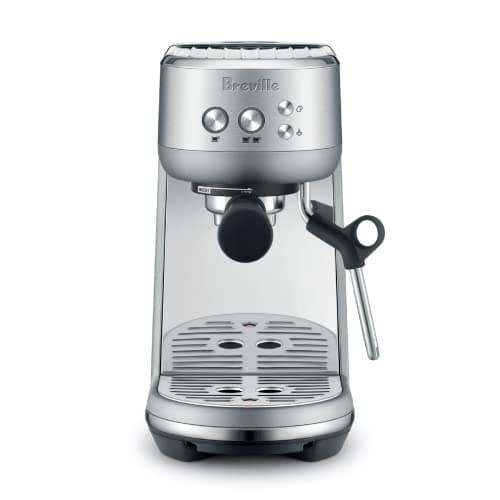
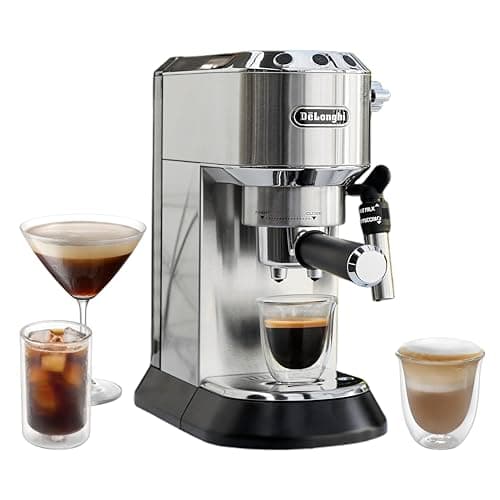
Buy the De'Longhi Dedica Deluxe (EC685). At a published six inches wide it is the narrowest real espresso machine here, it is stainless rather than plastic, and its pressurized basket makes a drinkable shot without a good grinder beside it — which matters, because a kitchen with no room for a machine usually has no room for a grinder either. If the cup matters more to you than the last inch and a half, buy the Breville Bambino (BES450) at 7.7 inches instead: it is the best espresso on this page by a clear margin.
Most compact roundups rank machines on coffee and treat size as a footnote. This one inverts that, because in a small kitchen the constraint is binding: a machine that does not fit the gap beside the kettle is not a worse option, it is not an option. So the ranking is footprint first, and every pick names the measurement its manufacturer actually publishes. Where a brand publishes nothing — which happens on generic machines — we say so rather than inventing a number you are going to measure a cupboard against.
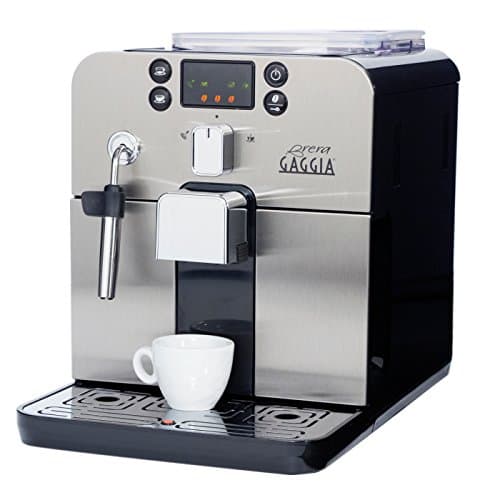
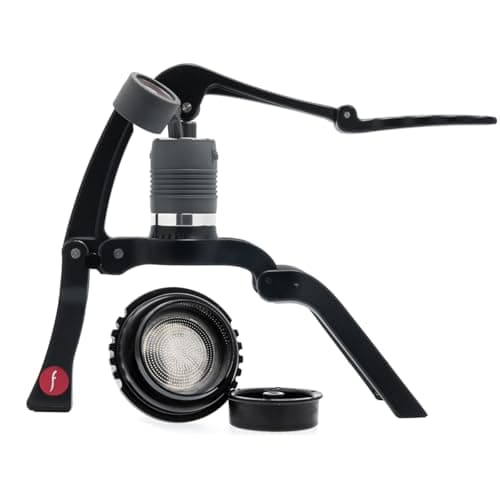
Three footprint strategies appear below and they suit different kitchens. A narrow pump machine (Dedica, Bambino) takes a permanent slot but is instant and familiar. A compact bean-to-cup machine (Gaggia Brera) is wider but replaces the machine and the grinder together. A manual lever (Flair 2GO) occupies no permanent space at all because it folds into a drawer, at the cost of a kettle and a few minutes per cup. Pick the strategy first, then the machine.
One honest exclusion: the Breville Barista machines with built-in grinders look like the obvious space savers, and they are not here because they are not compact — they are a machine and a grinder in one tall, deep body. If a grind-and-brew all-in-one is what you want, read espresso machines with a grinder with a tape measure in hand.
Footprint, as published
The table uses only figures the manufacturer or the live listing publishes. Where a brand publishes nothing, the cell says so — we would rather leave a gap than guess at a dimension.
| Machine | Published footprint | Needs a separate grinder? | Milk |
|---|
| De'Longhi Dedica Deluxe (EC685) | About 6in wide | Works with pre-ground; grinder optional | Adjustable cappuccino frother |
| Breville Bambino (BES450) | 7.7in wide | Yes — that is the point of the machine | Manual steam wand |
| Gaggia Brera | About 12.4in wide, front-loading | No — grinder is built in | Manual pannarello wand |
| Flair 2GO | 9.5 x 5.25 x 4in packed; stores away | Yes, plus a kettle | None — separate frother needed |
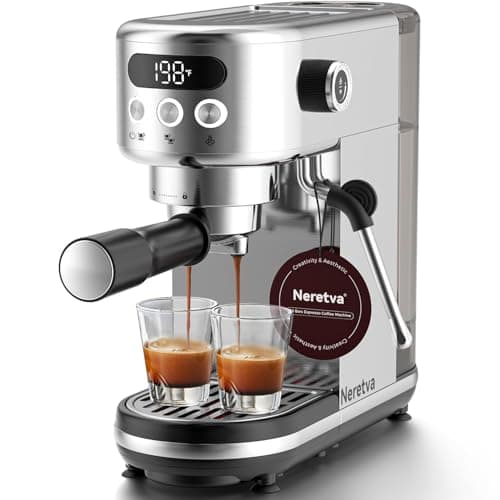
| Neretva 20 Bar | Not published | Works with pre-ground | Steam wand |
Measure height and depth, not just width
Width is the number everyone checks and the one least likely to be the problem. The two dimensions that catch people out are the clearance above the machine — a top-filling water tank needs its lid to open under your wall cabinet — and the depth with the drip tray in and a cup standing on it. The Gaggia Brera is on this page partly because it loads water and grounds from the front, which removes the overhead problem entirely. If your machine has to live under a cabinet, that one specification matters more than two inches of width.
A small kitchen changes the grinder question
In a normal kitchen we would tell you bluntly that the grinder matters more than the machine. In a small kitchen that advice collides with reality, because the honest footprint of a Bambino is the Bambino plus a grinder plus a bag of beans. There are two ways out. Buy a hand grinder, which lives in a drawer and out-grinds any electric at the same price. Or accept a pressurized basket and pre-ground coffee, which is what the Dedica is designed around. What does not work is a cheap blade grinder: it takes up space and produces an uneven grind that no machine here can extract evenly.
What “compact” means on a listing, and what it does not
“Compact” is marketing copy, not a specification, and on generic listings it frequently appears on machines no smaller than average. The only defence is a published dimension. De'Longhi and Breville both publish widths for the machines above, which is part of why those two lead this ranking, and the Neretva is last partly because its brand does not. Before buying anything described as compact, find a real number — and if there is not one, tape out the footprint of the shipping box on your counter.
Be honest about the drink you want
A six-inch machine with a frothing aid will never pour latte art, and a folding lever will never make two flat whites before work. If you make one or two milk drinks a day and you have eight inches, take the Bambino and learn the wand. If you have six inches and drink Americanos, the Dedica is a genuinely good answer. If you have nothing at all, the Flair folds away and still beats both on the shot.
Small counter versus student housing
Footprint is the constraint this page solves, and it is only one of the constraints a student has. A dorm adds appliance rules that often restrict open heating elements, a sink that may be down a corridor, and a roommate on a different schedule who will not love a burr grinder at 7am. Those reorder the ranking and change the answer — the dorm-specific version is best espresso machines for college students.
How we picked
We did not lab-test this gear
Everyone in this category says they tested twenty machines. We have not lab-tested any of these, and we say so. What we did instead: compiled the published manufacturer specifications, read the manuals, ran the math where there was math to run (heat-up time, pressure, dose capacity, grind range, cost per cup), and scored each pick against a published rubric. The scores are judgments from documented research — not measurements we took, because we do not have a lab and we will not pretend we do. Where a number came from someone else's work, we name them in Sources.