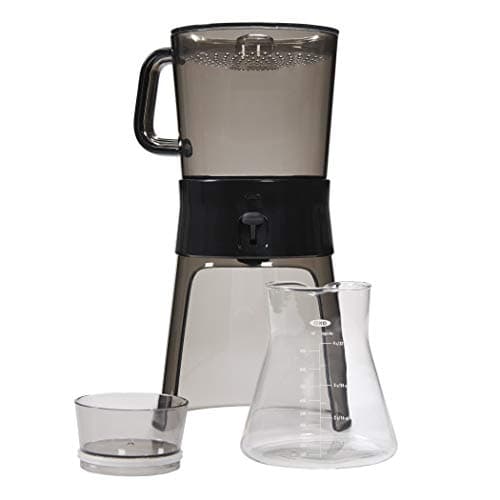
Cold brew is the easiest good coffee there is: coarse grounds, cold water, twelve to twenty-four hours of waiting, then filter. No heat, no pressure, no technique. What you get is a noticeably smoother, sweeter, less acidic coffee, because the compounds responsible for the sharp, bright notes in hot coffee largely need heat to dissolve and simply never make it into the cup.
That is also the honest trade: cold brew is smoother because it extracts less. If you love a bright Ethiopian pour-over, cold brewing the same beans will flatten it. Cold brew rewards medium and darker roasts with chocolate, nut and caramel character, which is the opposite of what pour-over rewards.
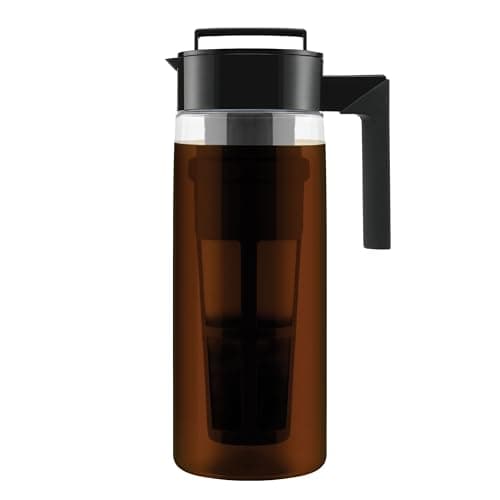
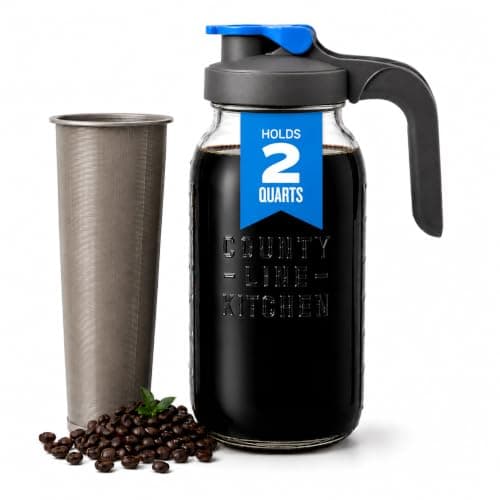
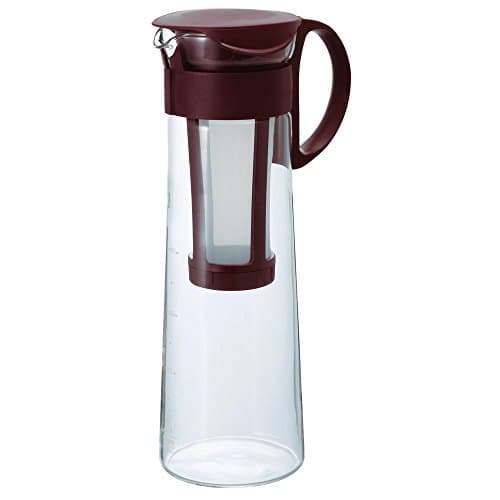
There is very little technology to buy here, and that is the point. What separates these brewers is filtration quality, how big a batch they make, and whether the thing actually fits in a fridge alongside everything else. The picks below are ranked on exactly that.
Concentrate or ready-to-drink?
This is the first decision and it changes which brewer suits you. A concentrate brewer uses a heavy coffee-to-water ratio (typically 1:4 to 1:8) and produces a strong liquid you dilute with water, milk or ice. It stores compactly, keeps well, and gives you flexibility — the same jar makes a black iced coffee, an iced latte or a hot mug. A ready-to-drink brewer uses a lighter ratio (around 1:12 to 1:15) and produces coffee you pour straight into a glass. It is simpler in the morning and takes more fridge space for the same number of servings.
Filtration: paper, mesh, or both
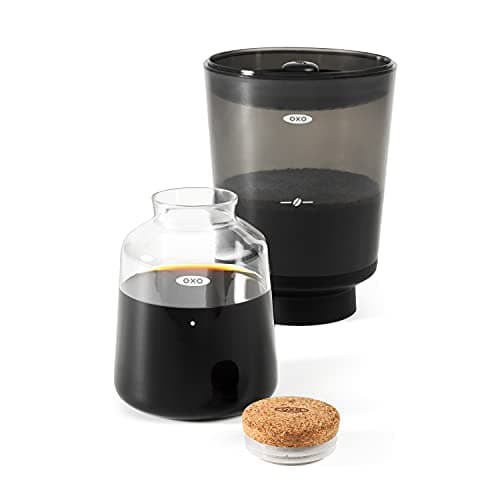
Mesh alone lets fines through, so the last third of the carafe is noticeably silty. Paper over mesh — the OXO approach — catches those fines and yields a cup close to filter coffee in clarity. A cloth or paper filter bag (the classic Toddy-style approach) also works well but leaves you handling a heavy, saturated bag. If you dislike sediment, buy a paper-filtered system or plan to pour your mesh-brewed cold brew through a paper filter once before storing.
The recipe, and why grind size matters more than usual
Use a coarse grind — French press coarse or a little coarser. Cold water extracts slowly, so a long steep with coarse grounds is the design; grinding fine does not make it stronger, it makes it muddy and over-extracted at the edges, and it clogs every filter here. For concentrate, start at 1 part coffee to 5 parts water by weight; for ready-to-drink, start at 1:12. Steep 12 to 18 hours at room temperature or 18 to 24 in the fridge — colder water extracts more slowly, so fridge brews want the longer end.
Filter it once and stop. Leaving the grounds in past your target time keeps extracting, and cold brew that steeped for 36 hours tastes woody and dull. Once separated from the grounds, concentrate keeps about two weeks in the fridge and ready-to-drink about a week, both in a sealed container.
Which beans work
Medium and medium-dark roasts are the reliable choice: chocolate, caramel and nut notes survive cold extraction and become the whole character of the cup. Light, fruit-forward single origins largely lose what makes them interesting, because the bright acids they are prized for need heat to come out. Roast date still matters, though slightly less than for espresso — a long, gentle extraction is more forgiving of a bag that is three weeks old. Our everyday bean picks are a sensible place to start.
Cold brew vs iced coffee
They are not the same drink. Iced coffee is brewed hot and then chilled, so it keeps the bright, acidic character of hot coffee and can taste thin once diluted by melting ice. Cold brew never meets heat, so it is smoother, sweeter and lower in perceived acidity, with more body. Japanese iced coffee — brewing hot directly onto ice — sits between the two and is worth trying if you own a pour-over cone and want an iced coffee in four minutes rather than sixteen hours.
How we picked
We did not lab-test this gear
Everyone in this category says they tested twenty machines. We have not lab-tested any of these, and we say so. What we did instead: compiled the published manufacturer specifications, read the manuals, ran the math where there was math to run (heat-up time, pressure, dose capacity, grind range, cost per cup), and scored each pick against a published rubric. The scores are judgments from documented research — not measurements we took, because we do not have a lab and we will not pretend we do. Where a number came from someone else's work, we name them in Sources.