A coffee mug is the last piece of equipment your coffee touches, and it is the one almost nobody chooses on purpose. That is a shame, because the mug decides something real: how fast the drink cools. A 10oz pour-over served into a cold, thin mug can drop out of its good window inside five minutes. The same coffee in a pre-warmed thick stoneware mug is still pleasant twenty minutes later. Nothing about the beans or the brewer changed.
This page ranks mugs on that — heat behavior first, then the things you notice every single morning: how the rim sits on your lip, how the handle balances a full mug, and whether you will actually keep it clean. It is not a page about looks. Anything here will look fine on a shelf; what separates them is thermal mass, wall construction and shape.
One boundary before the picks.This page is about mugs — roughly 10 to 16oz vessels for drip coffee, pour-over, Americanos and milk drinks. If you want 2 to 6oz cups for straight espresso and cortados, those are a different product with different rules, and they are covered in best espresso cups. A 14oz mug is the wrong vessel for a double espresso no matter how good it is.
How we ranked them. Five axes, scored from published materials and construction rather than from a lab: heat retention (thermal mass and whether the walls are insulated), drinking feel (rim thickness and shape, handle, balance), build, cleaning, and value. The order is the recommendation order and the scores are a flat average of those five. Every pick carries honest cons, because every one of these designs trades something away.
Three ways a mug keeps coffee hot, and they are not the same
Nearly every mug argument comes down to confusing these three mechanisms, so it is worth separating them properly.
| Mechanism | How it works | Found in | Honest limit |
|---|
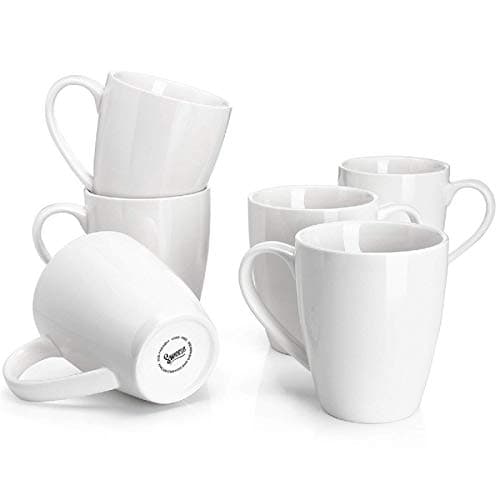
| Thermal mass | Heavy walls absorb heat, then release it back slowly | Thick stoneware, heavy ceramic | Steals heat on the first pour unless you pre-warm the mug |
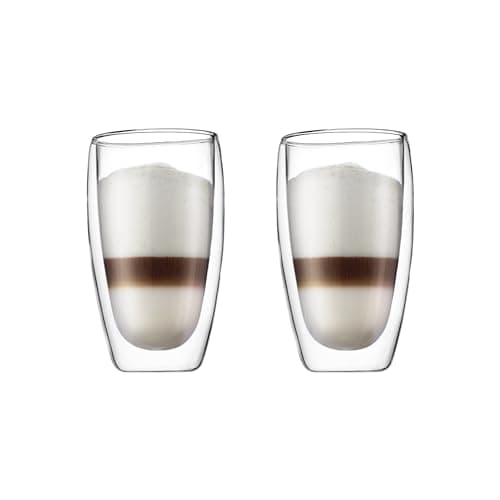
| Air gap | A sealed layer of air between two thin walls resists conduction | Double-wall glass | Fragile, and the gap is not a vacuum, so it only slows the loss |
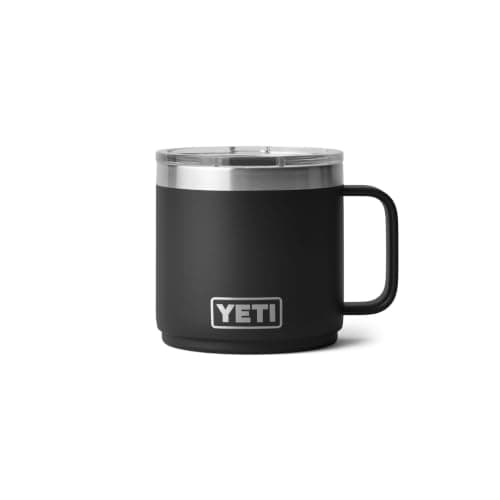
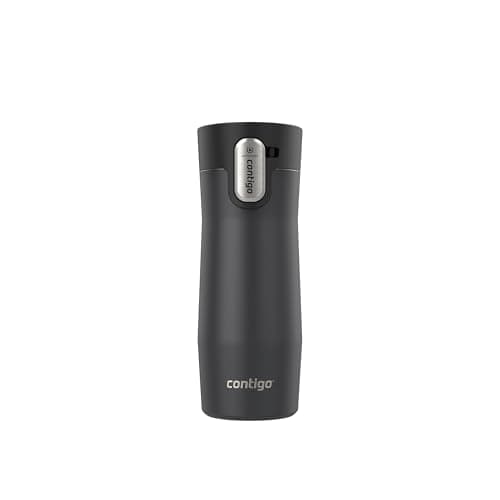
| Vacuum insulation | A near-vacuum between steel walls conducts almost no heat at all | Insulated steel mugs and travel mugs | Keeps coffee too hot to drink for a while, and a lid is doing some of the work |
Which you want follows directly from how you drink. Finish a mug inside ten minutes and thermal mass is plenty — and a ceramic mug feels better. Sit with one for an hour at a desk and only vacuum insulation really answers it. Double-wall glass sits in between and is chosen mostly because it looks good, which is a legitimate reason.
Pre-warming is free and does more than any upgrade
A cold mug steals a surprising amount of heat from the first minute of a brew. Fill the mug with hot tap water while your coffee brews, tip it out just before you pour, and you remove the biggest single source of early heat loss at zero cost. This matters most with heavy ceramic — the same mass that keeps coffee warm later is what robs it at the start. If you take one thing from this page, take this.
Size: the quiet reason coffee goes cold
A 16 oz mug encourages a 16 oz pour, and most people do not drink 16 oz of coffee while it is still good. Surface area is where heat escapes fastest, so a wide, half-full mug cools far faster than a narrower full one. If your coffee reliably goes lukewarm, the cheapest fix is not a better mug — it is a smaller one, filled properly. For reference, a standard cafe latte is 8 to 12 oz and a flat white is 5 to 6 oz, which is why those drinks arrive hot; see latte vs cappuccino for how those volumes are built.
Rim and shape change the taste, slightly but genuinely
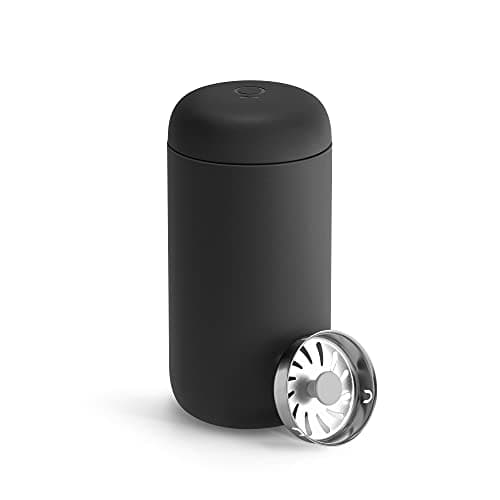
A thin rim delivers coffee in a narrow stream onto the front of your tongue; a thick rounded rim spreads it wider and slower. Neither is correct, but they taste measurably different with the same coffee, and it is why people get attached to a particular mug. A tapered mug also holds aroma above the liquid, which is most of what you perceive as flavor — one practical reason the wide-open splash-guard lid on the Fellow beats a sip-slot commuter lid on anything worth smelling.
Material, honestly
Porcelain is dense, non-porous, cheap and thin: easy to clean, poor at holding heat. Stoneware is heavier and thicker, so it holds heat better and chips less, at the cost of weight and money. Borosilicate glass handles thermal shock and looks superb, but breaks. Stainless steelis unbreakable and, vacuum-insulated, unbeatable for keeping heat — but bare steel can add a faint metallic note to delicate roasts, which is exactly why the ceramic-lined picks here cost more. Avoid unglazed or low-fired earthenware for daily coffee: it is porous, it stains, and it eventually holds flavors.
Cleaning, before it becomes a flavor problem
Coffee oils oxidize and go rancid, and a brown film inside a mug is exactly that. It will make fresh coffee taste stale no matter how good the beans are. Daily washing with detergent handles it on ceramic and glass; insulated steel mugs and any lid with a gasket need more attention, because the seal and the threads are where residue hides. For anything stubborn, the same espresso-machine cleaning powders work on mugs — a soak, not a scrub, since an abrasive pad on a glazed interior does lasting damage. Our cleaning supplies roundup covers what those powders actually are.
So which one?
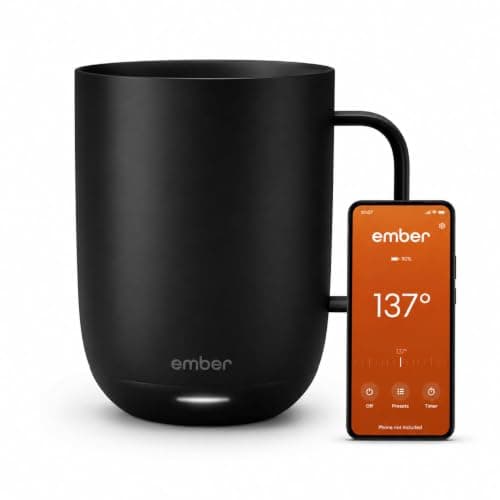
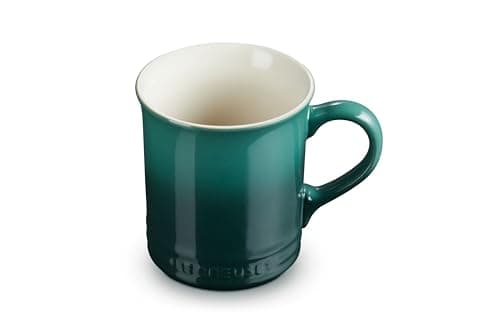
Most people, most mornings: the Le Creuset stoneware mug, pre-warmed. A household that needs six matching mugs that survive everything: the Sweese set. A desk where coffee sits: the YETI ceramic-lined Rambler. A car or a walk where you still want to taste the coffee: the Fellow Carter Move. A bag, where nothing may leak: the Contigo West Loop. Something beautiful for a layered latte: the Bodum Pavina. And an hour-long work session where the coffee must stay exactly where you set it: the Ember, with both eyes open about the price.