Skip to content
Tamp & Pour

Roundups · Coffee Beans

The best coffee beans for a moka pot

A moka pot is not an espresso machine, and the beans sold as 'espresso' are not automatically right for it. Ranked for low-pressure, high-temperature extraction — and the grind, which matters more.

By Stephen V.Updated How we review
#ad

We earn a commission when you buy through our Amazon links, at no extra cost to you. It never changes a verdict, and we say so when the cheaper product is the better buy. How this works.

Buy Illy Classico— a consistent medium-roast 100% Arabica is the safest answer for a brewer that runs hot and extracts hard, and it is the profile Italian households have used in these pots for decades. If you want the cheapest honest option, or you have no grinder, Cafe Bustelo Espresso is already close to the right grind and costs very little. For a heavier, earthier cup choose Fresh Roasted Sumatra Mandheling, and for a dark organic option, Kicking Horse Kick Ass. But read the grind section first: on a moka pot the grind fixes more bad coffee than the bean does.

Almost every list for this query recommends “an espresso blend” and stops. That is half-right and it hides the part that actually goes wrong, so here is the mechanism before the picks.

What a moka pot actually does to coffee

A moka pot is a steam-pressure brewer. Heating the sealed lower chamber builds pressure — on the order of 1 to 2 bar, not the roughly 9 bar an espresso machine applies — which pushes water up through the coffee bed and into the top chamber. That gives you a drink with real concentration and body but no true crema, which is why our moka pot pageand the pots’ own packaging describe it as a stovetop brew rather than espresso.

Two consequences follow, and both shape the bean choice:

1. The water arrives hot and keeps getting hotter.Unlike a machine that holds a set brew temperature, a moka pot is sitting on a heat source for the whole extraction, and the last of the water comes through hottest. Hot water extracts bitter compounds faster. So a bean that is already roasted to the edge of bitterness — a very dark, oily French roast — has less headroom here than it would in a French press, and the classic moka failure is a harsh, scorched cup.

2. Low pressure means the bean cannot hide behind crema. On an espresso machine a robusta-heavy blend produces thick crema that masks a multitude of sins. At 1.5 bar you do not get that, so what you taste is the coffee itself. This is the reason a clean, balanced medium roast tends to outperform a bar blend in a moka pot, which is the opposite of the advice on our best beans for lattes page.

The grind is the real variable

If your moka coffee is bad, change this before you change beans.

You want a grind between espresso and drip— noticeably finer than table salt, noticeably coarser than the powder an espresso machine needs. Espresso-fine grind in a moka pot is the single most common mistake: the bed chokes, pressure builds behind it, and what gets through is over-extracted and bitter, sometimes with steam sputtering past the gasket. Too coarse and the water races through, giving a weak, sour cup. Our coffee grind size chart places moka on the scale against every other method.

Three technique rules that matter as much as the bean, and cost nothing:

Do not tamp. Fill the basket level and sweep the excess off with a finger. A moka basket is designed for a loose bed; compressing it is how you choke the brew.

Start with hot water in the base and use a moderate flame. This shortens the time the coffee spends sitting over rising heat, which is the main source of the scorched taste. Mind your fingers on the handle.

Take it off the heat when it starts to gurgle and run the base under cold water. The gurgle is steam rather than water coming through the bed, and everything after it is the bitter tail of the extraction.

With those in place, the bean choice below is a refinement rather than a rescue. All four picks are sized for the grind window above; only one is sold pre-ground.

The short answer

Quick picks

  • 01
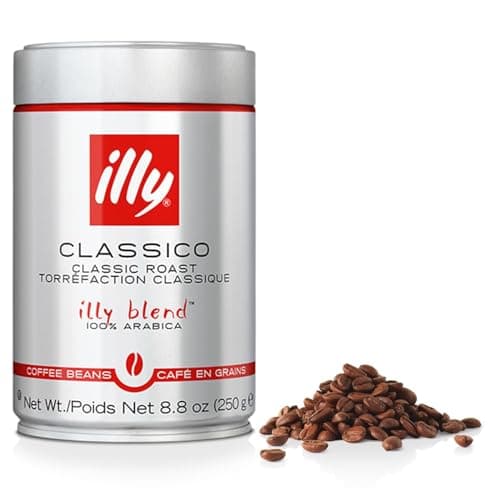
    illy Illy Classico
    Illy Classico

    The safest answer for a brewer with no temperature control: a balanced 100% Arabica medium roast with no roast bitterness to amplify and no bag-to-bag variation to dial around.

    7.7Best overall for a moka pot
  • 02
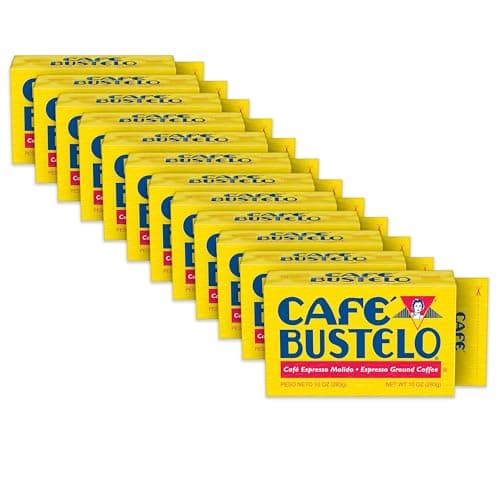
    Cafe Bustelo Cafe Bustelo Espresso (ground)
    Cafe Bustelo Espresso (ground)

    The traditional cheap answer, and the one case where pre-ground is defensible: it arrives near the right grind for a moka basket and costs less than almost any whole bean.

    6.5Best budget pick, no grinder needed
  • 03
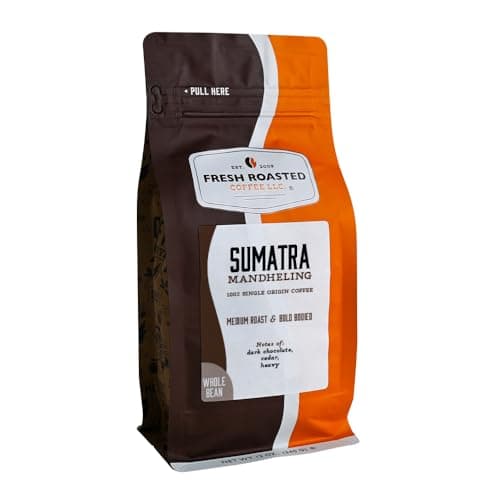
    Fresh Roasted Coffee Fresh Roasted Coffee Sumatra Mandheling (medium roast, 12oz)
    Fresh Roasted Coffee Sumatra Mandheling (medium roast, 12oz)

    The pick for a thicker, earthier cup: a low-acid, syrupy single origin whose body suits a concentrated stovetop brew and whose medium roast keeps bitterness in check.

    8.3Best for a heavy, low-acid cup
  • 04
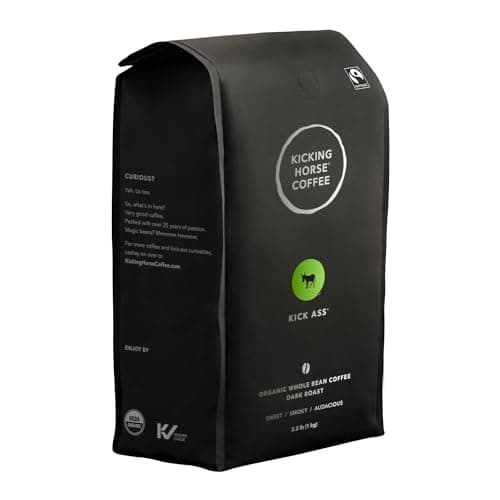
    Kicking Horse Kicking Horse Kick Ass
    Kicking Horse Kick Ass

    The dark, certified option for drinkers who want a smoky stovetop cup with organic and Fairtrade credentials — and who will keep the flame low to earn it.

    7.9Best organic and Fairtrade option

#ad · Live prices from the Amazon Product API, as of October 18, 2026. Where we have no verified live price, we show none — a gap beats a number that has rotted.

In detail

The picks, in full

01
illy Illy Classico

Best overall for a moka pot

Illy Classico

Medium roast100% ArabicaWhole beanConsistent house blend
7.7/10

The safest answer for a brewer with no temperature control: a balanced 100% Arabica medium roast with no roast bitterness to amplify and no bag-to-bag variation to dial around.

Flavor
8.5
Crema & body
8
Freshness policy
7
Versatility
8
Value
7

Pros

  • Smooth, balanced 100% Arabica cup with none of the rubbery note robusta can add
  • Famously consistent — the blend tastes the same from one tin to the next
  • Clean and mellow under milk, which flatters a latte or cappuccino

Cons

  • Thinner crema than a robusta-containing blend like Super Crema
  • Premium price for the quantity, and grocery tins show a best-by, not a roast date

Don't buy this if…

…you chase a thick, heavy crema or a bold hit — a pure Arabica medium roast is smoother and lighter-bodied by design.

Who it is for:essentially every moka pot owner who wants to stop thinking about it. Two of its properties line up precisely with the brewer’s weaknesses. Because it is a mediumroast rather than a dark one, there is headroom before the rising water temperature tips the cup into bitterness — the scorched-moka problem largely goes away. And because it is a 100% Arabica blend built for consistency, the recipe you work out this month still applies to the next tin, which matters on a brewer where you are controlling heat by eye rather than by PID. Note the trade listed in its own cons: thinner crema than a robusta blend. In a moka pot that costs you almost nothing, because the pressure was never high enough to build much crema in the first place. The premium price is the real objection — if that bites, the Bustelo below is a quarter of the experience for a fraction of the money.

$15.75View on Amazon

Price as of October 18, 2026. Prices change — Amazon's at checkout is the one that counts.

#ad · we may earn a commission from this link to Illy Classico

02
Cafe Bustelo Cafe Bustelo Espresso (ground)

Best budget pick, no grinder needed

Cafe Bustelo Espresso (ground)

Dark roastEspresso-style grindPre-ground (not whole bean)Budget price
6.5/10

The traditional cheap answer, and the one case where pre-ground is defensible: it arrives near the right grind for a moka basket and costs less than almost any whole bean.

Flavor
6.5
Crema & body
6.5
Freshness policy
4
Versatility
6
Value
9.5

Pros

  • Very inexpensive and sold almost everywhere
  • Bold, dark and punchy in the cup for the money
  • Pre-ground means no grinder needed — a genuine on-ramp on a budget

Cons

  • Pre-ground coffee stales fast once the pack is opened — freshness is limited
  • Fixed grind is not tunable, so it caps how good the shot can get

Don't buy this if…

…you own a grinder or care about a fresh, dialed-in shot — pre-ground espresso trades away the freshness and control that make good espresso, in exchange for price.

Who it is for:the reader with no grinder, a moka pot and a budget — which describes a large share of moka households, since the pot itself is one of the cheapest brewers there is. This is the one pick whose biggest listed flaw is partly neutralised by this specific brewer. Its “fixed grind is not tunable” con is a real problem on an espresso machine, where the grind is the main lever you have; a moka basket is far more tolerant, and an espresso-style grind sits close to the window moka wants rather than far from it. Two honest cautions. It is a darkroast, which is the profile this page warns has the least headroom against rising water temperature, so keep the flame moderate and pull it off at the gurgle. And its freshness score of 4 is the lowest number on this page for a reason — buy the smallest pack you will finish, and keep it closed.

$71.47View on Amazon

Price as of October 18, 2026. Prices change — Amazon's at checkout is the one that counts.

#ad · we may earn a commission from this link to Cafe Bustelo Espresso (ground)

03
Fresh Roasted Coffee Fresh Roasted Coffee Sumatra Mandheling (medium roast, 12oz)

Best for a heavy, low-acid cup

Fresh Roasted Coffee Sumatra Mandheling (medium roast, 12oz)

Medium roastSumatra, MandhelingWet-hulled processing12oz whole bean
8.3/10

The pick for a thicker, earthier cup: a low-acid, syrupy single origin whose body suits a concentrated stovetop brew and whose medium roast keeps bitterness in check.

Origin character
9
Roast suitability
8
Versatility
7.5
Freshness policy
8
Value
9

Pros

  • The lowest-acid origin here — a genuine option if bright coffee bothers your stomach
  • Big, syrupy body that a French press shows off beautifully
  • Distinctive earthy, herbal character you cannot get from Central American beans
  • Well-priced for a named single origin

Cons

  • Wet-hulled processing gives an earthy note some people actively dislike
  • Not a bean for anyone chasing brightness or fruit
  • Less clean in the cup than washed coffees from other regions

Don't buy this if…

…you like bright, fruity, acidic coffee. Sumatra is the opposite of that by design, and it will taste muddy to you.

Who it is for: the drinker who wants their moka coffee thick and chocolatey rather than clean and balanced, and anyone whose stomach objects to bright coffee. It carries the highest overall score on this page (8.3) and is ranked third on purpose, so the tension is worth naming: those scores come from a single-origin rankingand measure origin character and value, not suitability for this brewer. On moka criteria it is a narrower recommendation than Illy — a wet-hulled Sumatra is a distinctive, polarising flavour, and its own cons list says plainly that some people actively dislike the earthy note. Where it genuinely wins is the combination this brewer likes: a big syrupy body that survives concentration, plus low acidity, so the one taste a hot moka extraction tends to exaggerate is the one this bean has least of.

$17.99View on Amazon

Price as of October 18, 2026. Prices change — Amazon's at checkout is the one that counts.

#ad · we may earn a commission from this link to Fresh Roasted Coffee Sumatra Mandheling (medium roast, 12oz)

04
Kicking Horse Kicking Horse Kick Ass

Best organic and Fairtrade option

Kicking Horse Kick Ass

Dark roastOrganic & Fairtrade certifiedWhole beanBold, smoky body
7.9/10

The dark, certified option for drinkers who want a smoky stovetop cup with organic and Fairtrade credentials — and who will keep the flame low to earn it.

Flavor
8
Freshness
7
Versatility
7.5
Sourcing & ethics
9
Value
8

Pros

  • Organic and Fairtrade certified — real sourcing credentials
  • Bold, smoky and full-bodied, satisfying for dark-roast drinkers
  • Widely available and fairly priced for a certified organic bean

Cons

  • Very dark and smoky — too intense for anyone who finds dark roasts bitter
  • Sold with a best-by date rather than a roast date

Don't buy this if…

…you like a lighter, brighter or more nuanced cup — this leans hard into dark, smoky intensity, which is the appeal but not universal.

Who it is for:the moka owner for whom certification is the deciding factor, and who likes a frankly dark cup. It is ranked last here and ranks higher elsewhere on this site, which is the honest consequence of this page’s criteria rather than a change of opinion: it is the darkestpick on a page whose core argument is that dark roasts have the least headroom against a moka pot’s rising water temperature. Buy it if you want it, and then do the two things that make it work — moderate heat, and off the stove the moment it gurgles. Its certifications are genuine and it is good value for a certified organic bean, which is why it is on the page at all; the same bean leads best organic coffee beans, where sourcing is the ranking criterion rather than brewer fit.

$32.70View on Amazon

$42.2323% off

Price as of October 18, 2026. Prices change — Amazon's at checkout is the one that counts.

#ad · we may earn a commission from this link to Kicking Horse Kick Ass

Why we did not just say “buy an espresso blend”

Because “espresso blend” describes two different things, and only one of them suits this pot. A blend sold for espresso machinesis often built around crema volume and stability, frequently with robusta in it, because 9 bar of pressure is what makes crema worth engineering for. A moka pot never reaches that pressure, so you pay for a property you cannot use, and you inherit robusta’s harsher edge with no crema to hide it behind. What transfers from espresso advice is the roast and grind window— medium to medium-dark, ground finer than drip — not the blend engineering.

The aluminium question, briefly

Classic moka pots are aluminium, which is why they are cheap and light. Two practical notes rather than a health claim: hand wash them, since a dishwasher dulls and pits the metal, and an aluminium pot will not heat on an induction cooktop at all — the stainless Bialetti Venus is the version for induction hobs. Neither affects which bean to buy, but both decide whether the pot works in your kitchen.

If it still tastes bad, check these in order

1. Grind too fine. The most common cause, by a wide margin. Bitter, harsh, possibly sputtering at the gasket. Go coarser.

2. Heat too high, or left on too long. Scorched, ashy. Lower the flame and pull it off at the first gurgle.

3. Tamping. Do not. Level and sweep.

4. A tired gasket. After a year or two of regular use the rubber hardens and the seal leaks, which drops pressure and gives you a weak, slow brew. It is a replaceable part and the cheapest fix on this list.

5. Then the bean. If the cup is weak and sour rather than bitter, the grind is too coarse or the dose too small; if it is thin but clean, a heavier-bodied bean like the Sumatra is the upgrade.

Milk drinks from a moka pot

Moka brew is concentrated enough to work in milk, which is how a great many Italian households drink it, and it is the cheapest route to a latte-shaped drink without an espresso machine. You will need to texture the milk separately — see best milk frothers. If milk drinks are most of what you make, lean one notch darker than this page’s winner and use best coffee beans for lattes instead.
How we picked

We did not lab-test this gear

Everyone in this category says they tested twenty machines. We have not lab-tested any of these, and we say so. What we did instead: compiled the published manufacturer specifications, read the manuals, ran the math where there was math to run (heat-up time, pressure, dose capacity, grind range, cost per cup), and scored each pick against a published rubric. The scores are judgments from documented research — not measurements we took, because we do not have a lab and we will not pretend we do. Where a number came from someone else's work, we name them in Sources.

Questions

Frequently asked

What grind do you use for a moka pot?
Between espresso and drip — finer than table salt, clearly coarser than the powder an espresso machine needs. Espresso-fine grind chokes the bed and gives you a bitter cup, sometimes with steam escaping past the gasket. Too coarse gives you a weak, sour brew.
Can you use espresso beans in a moka pot?
Yes, and the roast level usually suits it. What does not transfer is blends engineered for crema with robusta in them: a moka pot runs at roughly 1 to 2 bar rather than 9, so it cannot build much crema, and you taste robusta’s harsher edge without that cushion. A balanced medium roast is the safer buy.
Should you tamp coffee in a moka pot?
No. Fill the basket level and sweep off the excess. The basket is designed for a loose bed and tamping restricts the flow, which over-extracts the coffee and raises pressure behind the puck.
Is moka pot coffee the same as espresso?
No. A moka pot extracts at roughly 1 to 2 bar against about 9 bar in an espresso machine, so you get a concentrated, full-bodied brew without true crema. It is excellent coffee and a different drink.
Why does my moka coffee taste burnt?
Usually heat, not beans. The water gets hotter through the brew, so a high flame or leaving the pot on past the gurgle extracts the bitter tail. Start with hot water in the base, use a moderate flame, and take it off at the first gurgle. A very dark roast makes this failure easier to trigger.

Keep reading

Receipts

Sources

We do not run a testing lab, and we do not pretend to. Where a measured number came from someone else's work, we name them and link them. Where we could not verify something, we say so on the page rather than quietly leaving it out. Read our full method.