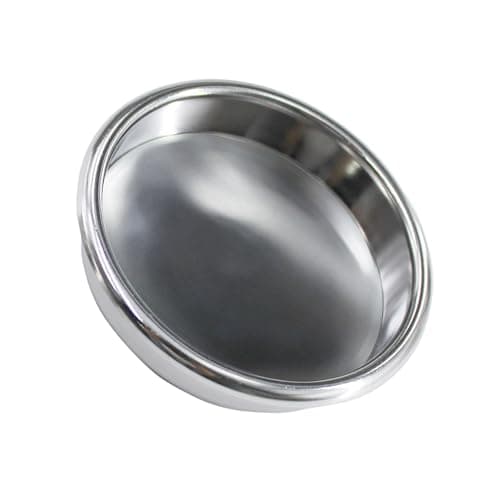
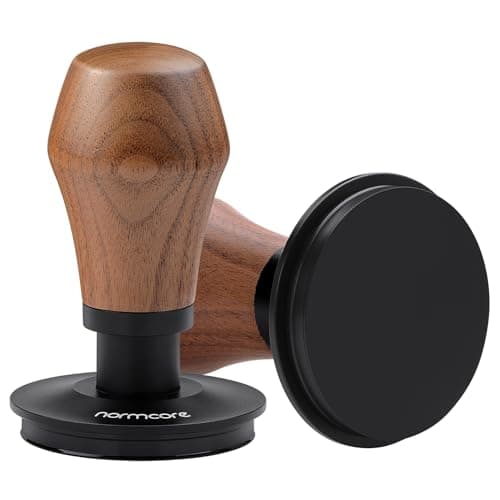
Buy the 58.5mm calibrated tamper first. The Classic Pro ships with a plastic tamper that is the single weakest thing in the box, and replacing it with a correctly sized calibrated one fixes the variable in your hands before you spend money on anything else. Second purchase: the blind basket and a tub of backflush detergent, because the Classic Pro has a three-way solenoid valve and can genuinely backflush — which most machines at this price cannot — and that routine is why a well-kept Classic still tastes clean after years.
This is a machine-specific list rather than a generic 58mm shopping list, because the Classic Pro has three characteristics that decide what is worth buying. It uses a full 58mm commercial group, so commercial baskets, tampers and portafilters fit. It has a three-way solenoid valve, so backflushing is available to you. And it has no PID and no pressure gauge from the factory, so your technique and your consistency do more work on this machine than on a Breville. Every pick below follows from one of those three facts.
If you want the generic cross-brand version of this list, read 58mm espresso accessories — it covers the same fitment standard without the Gaggia-specific ordering. The difference matters in one place especially: a naked portafilter must be cut for the Gaggia group rather than E61, and buying the wrong one is the fit mistake most Classic Pro owners make exactly once.
What is deliberately not here: a PID kit, an OPV mod and a bottomless basket mod are the famous Classic Pro modifications, and none of them is an Amazon accessory we can price and link honestly — they are kits, soldering and in some cases a warranty question. We mention them in the guide below so the page is not pretending they do not exist, but we will not pad a picks list with products we cannot stand behind.
What fits, and what each thing fixes
| Accessory | Fitment on a Classic Pro | What it actually fixes |
|---|
| 58.5mm calibrated tamper | Basket-only — fits any 58mm basket | Tamp-to-tamp inconsistency and an unsealed puck rim |
| 58mm blind basket | Needs the three-way solenoid valve, which this machine has | Coffee oil behind the shower screen |
| Backflush detergent tablets | Used with the blind basket | Gradual bitterness no grind change will cure |
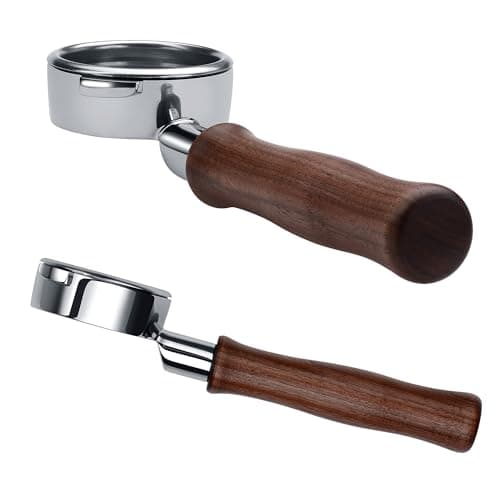
| Naked portafilter | Must be cut for the Gaggia group, not E61 | Invisible channeling, plus a better basket than stock |
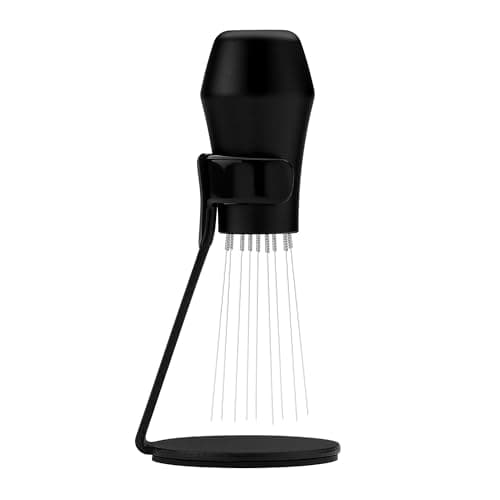
| WDT needle tool | Basket-size agnostic | Clumping from a conical grinder |
58mm is the reason this machine is worth accessorising at all
The Classic Pro uses the commercial 58mm standard, and that single fact is why a $40 accessory meaningfully improves it. Precision baskets, quality tampers, naked portafilters and puck screens are all made for 58mm first, and none of that is true in the 54mm Breville world or the 51mm De'Longhi one. It also means anything basket-only you buy now survives an upgrade to an E61 machine later, which changes the maths on whether a good tamper is worth it.
The Gaggia-versus-E61 portafilter trap
Both are 58mm, and they are not interchangeable. The group on a Gaggia is cut differently from an E61 group, so an E61 naked portafilter will not seat and lock correctly on a Classic Pro even though the basket diameter matches. When you buy a portafilter, buy the one that names Gaggia in the fitment list. Baskets, tampers, puck screens and the blind basket are basket-only and do not care which group you have.
Check whether your machine backflushes before you buy the blind basket
The Classic Pro has a three-way solenoid valve, which is what lets pressurized water be pushed back through the group and out the drain — that is backflushing. Not every 58mm machine has one, and some Gaggia configurations differ, so read your manual rather than this page. If your machine does not have the valve, do not backflush with detergent: clean the portafilter, baskets and shower screen by hand instead, and put the money into descaling.
The famous mods, and why they are not picks
Three modifications dominate Classic Pro discussion: a PID kit for brew temperature control, an OPV adjustment to bring pressure down toward 9 bar, and silicone group gasket replacements. They are real and some owners rate them highly, but they are kits and workshop jobs rather than accessories we can price and link with a clean conscience, and at least one can bear on your warranty. We would do all five things on the list above first: on a machine without a PID, consistency in the puck buys you more than consistency in the boiler, and it costs far less.
What to skip
A puck screen is a maintenance nicety rather than a flavour upgrade, and on this machine the shower screen is easy to reach and scrub, so the case is weaker than it is on an E61. A dosing funnel is pleasant and optional. A bottomless basket without the naked portafilter is pointless. And a cheap undersized tamper is actively worse than the stock one if the diameter is wrong — diameter beats features every time, which is the one rule we repeat on every tamper page we publish.
The two purchases that outrank everything on this page
Before any of this: a grinder. The Classic Pro has none, and a 58mm single-wall basket on a machine with no PID asks more of a grinder than almost anything at its price — we match grinders to it specifically on best grinder for the Gaggia Classic Pro. And if you have not actually bought the machine yet, Gaggia’s range splits into this manual classic and a separate line of bean-to-cup automatics that share almost nothing with it, which we rank on best Gaggia espresso machines.
How we picked
We did not lab-test this gear
Everyone in this category says they tested twenty machines. We have not lab-tested any of these, and we say so. What we did instead: compiled the published manufacturer specifications, read the manuals, ran the math where there was math to run (heat-up time, pressure, dose capacity, grind range, cost per cup), and scored each pick against a published rubric. The scores are judgments from documented research — not measurements we took, because we do not have a lab and we will not pretend we do. Where a number came from someone else's work, we name them in Sources.