Skip to content
Tamp & Pour

Guides & explainers · Learn

Why does my espresso have no crema?

Nine times out of ten it is the beans, and specifically how long ago they were roasted. Here are the seven causes in order of likelihood, with the test that tells them apart.

By Stephen V.Updated How we review
#ad

We earn a commission when you buy through our Amazon links, at no extra cost to you. It never changes a verdict, and we say so when the cheaper product is the better buy. How this works.

Start with the beans.Crema is carbon dioxide trapped in emulsified coffee oils, and coffee loses its CO₂ steadily from the day it is roasted — so a bag with a “best by” date eighteen months out, bought off a supermarket shelf, very often has no crema left to give. If your coffee is older than about a month past roasting, or you cannot tell because the bag does not say, that is the answer and nothing else on this page will fix it. After beans, in order: grind too coarse, a stale or wrong grind for your basket, a pressurized basket you have swapped away from, dose too low, water temperature, and a dirty machine.

One thing worth saying before the list, because it changes how much you should care. Crema is not a measure of quality.It correlates with freshness and it is genuinely useful as a diagnostic signal, but it is largely a function of CO₂ and robusta content — which is why a cheap robusta-heavy supermarket blend reliably produces more crema than an expensive 100% Arabica single origin that tastes far better. A thin, pale, fast-tasting layer on a great shot is fine. Chasing crema for its own sake will lead you toward blends you may not enjoy.

What crema actually is

When coffee is roasted it generates carbon dioxide, much of which stays trapped inside the bean. Grinding releases some; the rest comes out during extraction. Under roughly 9 bar of pressure, that gas is forced into solution, and when the espresso leaves the basket into normal atmospheric pressure the gas comes back out as a mass of tiny bubbles, stabilised by the emulsified oils and fine solids the pressure also drove into the liquid. That foam is crema.

Three consequences follow, and they explain almost every cause below. No CO₂ means no crema, so freshness dominates. No pressure means no crema, so anything leaking pressure or letting water race through kills it. And because the bubbles need oils and fines to hold them, robusta blends and darker roasts make more of it than light Arabicas — a bean difference, not a skill difference.

The seven causes, in order of likelihood

1. Stale beans — by far the most common. Coffee degasses continuously from roasting. The sweet spot for espresso crema is roughly one to three weeks off roast; past about a month it declines noticeably, and months-old coffee produces little or none. The test: look for a roast date on the bag, not a best-by date. If there is only a best-by date, you cannot know the age, which is itself the problem. Buy a roast-dated bag, wait a few days off roast, and see if crema appears. Pre-ground coffee is the extreme version: it has been degassing since it was ground, which may have been months ago.

2. Grind too coarse. Coarse grounds let water through too quickly, so pressure never builds properly against the puck and the gas is never forced into solution. The test: time the shot. If you reach your target yield in well under 20 seconds, the grind is the problem. Go finer in small steps until the shot takes 25 to 30 seconds. A fast, pale, thin shot with no crema is the classic signature.

3. Your grinder cannot grind fine enough.A distinct problem from the last one and the one people waste the most money around. Many cheap electric grinders, and all blade grinders, simply cannot reach espresso fineness — so you turn the dial to its finest setting and the shot still gushes. The test: set the grinder as fine as it goes. If the shot still runs fast, the grinder is the limit, and no change of bean or technique will fix it. See burr vs blade grinder.

4. You moved from a pressurized basket to a single-wall one.This catches people who think their machine has broken. A pressurized (dual-wall) basket generates crema mechanically, through a small valve, more or less regardless of grind and freshness — so it produces a thick, pale, large-bubbled foam that collapses quickly. Fit a single-wall basket and suddenly crema depends on you, and it will look thinner and darker until your grind and beans are right. The test:look at the basket’s underside. One central hole in an outer wall means pressurized; a uniform field of tiny holes means single-wall. Pressurized vs non-pressurized portafilters covers it.

5. Dose too low for the basket. Under-dosing leaves the puck too shallow to resist the water evenly, so water channels through rather than pressurising the bed. The test:weigh your dose and compare it to your basket’s rated capacity — see how many grams for a double shot. Over-dosing causes its own problems but rarely kills crema outright.

6. Water temperature too low. Cool water extracts less, including less of the oils that stabilise the foam. The usual causes are pulling a shot before the machine is fully heated, a cold group head and portafilter, or scale insulating the heating element. The test:run a blank shot of water through the group first and let the machine sit ten to fifteen minutes before the first shot of the day. If crema improves, temperature was a factor; if descaling improves it, your water is the real culprit — see what water to use in an espresso machine.

7. A dirty group head and basket. Old coffee oils go rancid and interfere with the fresh emulsion, and clogged basket holes distort the flow. This rarely eliminates crema on its own, but it degrades it and it is the cheapest thing on this list to rule out. The test: backflush if your machine supports it, soak the basket and portafilter in a cleaner, scrub the shower screen, and compare. Best espresso machine cleaning supplies.

Thin crema versus a watery shot — not the same problem

Worth separating, because the fixes point in opposite directions. If the shot tastes good but looks pale, you very likely have a light-roast or 100% Arabica bean and nothing is wrong — this is normal and expected. If the shot is pale, thin, sour and finishes fast, that is under-extraction, and crema is a symptom rather than the disease: fix the grind. And if there is crema that vanishes within seconds into a watery drink, that usually means a pressurized basket making foam the coffee cannot support, or very stale beans producing large unstable bubbles. The taste-first diagnosis is in why is my espresso sour or bitter.

The order to actually work through it

Change one variable at a time, and start with the cheapest. Buy a roast-dated bag — that alone resolves most cases. If crema is still absent, grind finer until the shot runs 25 to 30 seconds. If it still gushes at your finest setting, the grinder is the ceiling. Then check the basket type, then the dose, then warm the machine properly, then clean it. Working the list in this order means you spend money only when the free fixes have failed.

The three picks below map onto the three causes that account for almost all real cases: a roast-dated bean, a crema-friendly blend if you want more of it regardless, and a grinder that can actually reach espresso fineness.

The short answer

Quick picks

  • 01
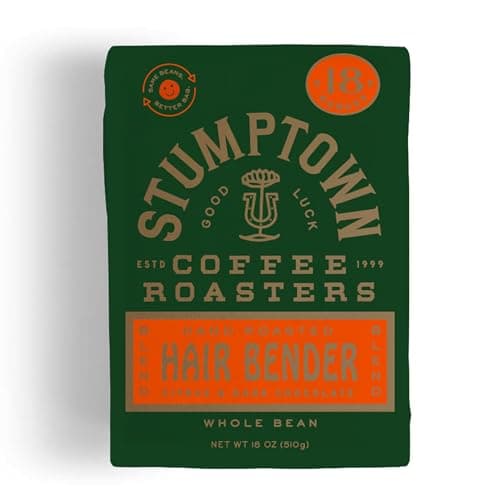
    Stumptown Stumptown Hair Bender
    Stumptown Hair Bender

    The fix for cause number one: a roast date printed on the bag, so you are buying known freshness instead of guessing at a best-by date.

    7.9Best for the actual problem — freshness you can verify
  • 02
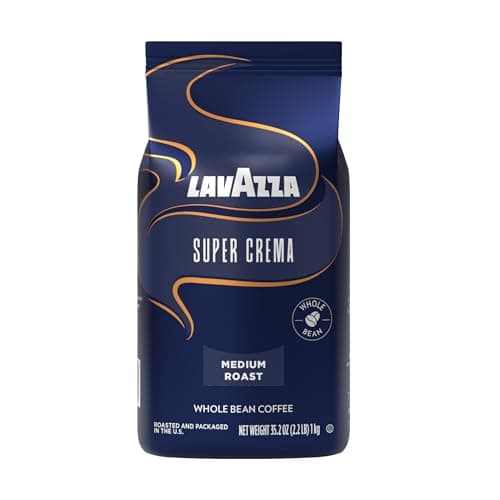
    Lavazza Lavazza Super Crema
    Lavazza Super Crema

    If you want visible crema regardless: a robusta-containing blend that throws a thick, lasting layer and forgives a grind that is not quite dialed in yet.

    8.3Best for maximum crema and forgiveness
  • 03
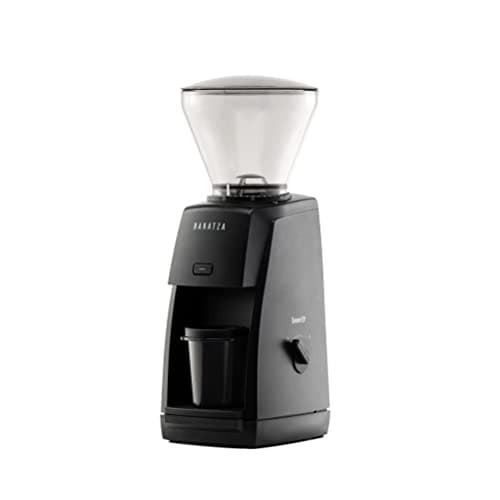
    Baratza Baratza Encore ESP
    Baratza Encore ESP

    The fix when the grind is the ceiling: a burr grinder with a genuine espresso range and steps small enough to walk a shot from gushing to correct.

    8.8Best if your grinder cannot go fine enough

#ad · Live prices from the Amazon Product API, as of October 18, 2026. Where we have no verified live price, we show none — a gap beats a number that has rotted.

In detail

The picks, in full

01
Stumptown Stumptown Hair Bender

Best for the actual problem — freshness you can verify

Stumptown Hair Bender

Specialty medium roastMulti-region blendWhole beanRoast date on bag
7.9/10

The fix for cause number one: a roast date printed on the bag, so you are buying known freshness instead of guessing at a best-by date.

Flavor
9
Crema & body
7.5
Freshness policy
9.5
Versatility
7
Value
6.5

Pros

  • Roast date printed on the bag — you actually know how fresh it is
  • More complex than the classic Italian blends, with citrus and dark-chocolate notes
  • Freshly roasted specialty coffee from a respected roaster

Cons

  • Lighter, brighter profile is less forgiving and needs a dialed-in grind
  • Costs more per pound than the supermarket blends

Don't buy this if…

…you want a mellow, no-fuss shot or you are not willing to adjust your grind — a brighter specialty roast rewards attention and punishes a lazy setup.

Who it is for:the reader diagnosing the problem rather than papering over it. Its freshness-policy score of 9.5 is why it leads here and it is the only number on this page that matters for cause one: a printed roast date converts freshness from a guess into a fact, so you can finally tell whether stale coffee was your problem. Buy it, rest it a few days off roast, and if crema appears you have your answer. Two honest caveats carried from its own entry. Its crema-and-body score is 7.5 — lower than the Lavazza below — because a brighter medium roast is not a crema-maximising profile, so expect a modest, fine-bubbled layer rather than a thick cap. And it needs a dialed-in grind, which makes it a poor choice if your grinder is the actual limit. Full context on best coffee beans for espresso.

$18.95View on Amazon

Price as of October 18, 2026. Prices change — Amazon's at checkout is the one that counts.

#ad · we may earn a commission from this link to Stumptown Hair Bender

02
Lavazza Lavazza Super Crema

Best for maximum crema and forgiveness

Lavazza Super Crema

Medium espresso roastArabica/Robusta blendWhole bean2.2 lb bag
8.3/10

If you want visible crema regardless: a robusta-containing blend that throws a thick, lasting layer and forgives a grind that is not quite dialed in yet.

Flavor
8.5
Crema & body
9
Freshness policy
6.5
Versatility
9
Value
8.5

Pros

  • Robusta in the blend delivers a thick, lasting crema that flatters any machine
  • Mild, chocolatey and low in acidity — an easy shot straight or in milk
  • Widely stocked and sold in a large 2.2 lb bag, so it is easy to keep on hand

Cons

  • Grocery bags carry a best-by date, not a roast date, so freshness is a guess
  • Too mellow for drinkers who want a bold, punchy or bright specialty shot

Don't buy this if…

…you want a bright, fruit-forward or intensely bold shot — this is deliberately smooth and mild, which is exactly why it works as a default but not as a statement.

Who it is for:the reader who has read the honesty note at the top, still wants a thick crema, and would rather have a forgiving shot while they learn. It carries the highest crema-and-body score on the site at 9.0, and the mechanism is the robusta in the blend rather than anything about quality — which is precisely the point this page makes about crema not being a quality signal. Note the tension we are not going to hide: its freshness-policy score is 6.5, the lowest of these three, because grocery bags carry a best-by date rather than a roast date. So it can produce generous crema while being coffee of unknown age, which is a good illustration of why crema volume and freshness are different things. It is ranked second because it treats the symptom; the Stumptown treats the cause.

$23.51View on Amazon

$26.9913% off

Price as of October 18, 2026. Prices change — Amazon's at checkout is the one that counts.

#ad · we may earn a commission from this link to Lavazza Super Crema

03
Baratza Baratza Encore ESP

Best if your grinder cannot go fine enough

Baratza Encore ESP

40mm conical burrsEspresso-capable fine rangeStepped adjustment, 40 espresso stepsReplaceable burrs
8.8/10

The fix when the grind is the ceiling: a burr grinder with a genuine espresso range and steps small enough to walk a shot from gushing to correct.

Impact on the cup
9.5
How soon you need it
9.5
Ease of use
8
Value
8

Pros

  • The espresso range is the whole point — most sub-$150 grinders simply cannot go fine enough to choke a machine, and a grinder that cannot go too fine cannot be dialed in
  • Small enough adjustment steps that you can actually walk a shot from gushing to correct instead of overshooting
  • Baratza sells parts and burrs, so this is a repairable purchase rather than a disposable one
  • Handles brewed coffee as well, so it is not stranded if you also make pour-over

Cons

  • Stepped rather than stepless, so between two adjacent settings there is no in-between
  • Retains a little coffee in the chute, which matters if you switch beans often
  • Costs about as much as a budget espresso machine, which is a hard sell until you taste the difference

Don't buy this if…

…you already own a grinder that adjusts finely enough to choke your machine. In that case skip straight to stage two — a second grinder at this level is not the upgrade you think it is.

Who it is for:the reader who ran the test in cause three — set the grinder to its finest setting, and the shot still gushed. That is the one diagnosis on this page that money has to solve, because no bean and no technique can compensate for a grinder that cannot reach espresso fineness. Its own pros list states the test in the same terms we did: a grinder that cannot go too fine cannot be dialed in. Read its dontBuyIf before buying, because it saves most people the money — if your current grinder can choke your machine, the grinder is not your problem and this is not your upgrade. Its scores come from our setup-sequencing page, so they measure impact and urgency rather than grind consistency and retention; we have not restated them against a rubric we did not apply. The full category is best espresso grinders.

$199.95View on Amazon

Price as of October 18, 2026. Prices change — Amazon's at checkout is the one that counts.

#ad · we may earn a commission from this link to Baratza Encore ESP

How much crema should there be?

For a fresh, correctly pulled double on a single-wall basket, expect a layer of roughly a few millimetres — hazelnut to reddish brown, fine-bubbled, and persisting for a couple of minutes before it thins. Spoon through it and it should close back over slowly rather than snapping open. Light Arabica blends will give you less than that and still taste excellent; robusta-containing blends will give you more.

What is not a good sign, despite looking impressive: a very thick, pale, almost beige foam with visible large bubbles that collapses in seconds. That is the pressurized basket signature, and it is foam rather than crema.

Resting beans: the one case where fresher is worse

Very freshly roasted coffee — the first couple of days — can be toogassy for espresso. The CO₂ coming off disrupts the water flow through the puck, which shows up as a gushing, sputtering shot and a blistered puck surface. The convention is to rest espresso beans a few days to a week off roast before expecting your recipe to settle. So “no crema” from a bag you opened today is almost never a degassing problem, while “unpredictable shots” from a bag roasted two days ago often is.

Storage, which is cheaper than new beans

Once you have bought fresh coffee, the enemies in order are oxygen, moisture, heat and light. Keep beans in an opaque airtight container at room temperature, and do not refrigerate them — temperature cycling in a fridge drives condensation into the beans. Freezing works if you do it properly, in sealed single-dose portions, but a partially used bag going in and out of a freezer is the worst of both. Buy smaller bags more often rather than a large bag you will finish in two months. Best coffee storage containers.

If you have a super-automatic machine

A bean-to-cup machine controls grind, dose and pressure internally, so your levers are fewer: the bean, the grind setting, the strength setting, and cleanliness. Oily dark roasts are the usual culprit for crema problems on these machines, because they clog the grinder and chute and disrupt dosing — see best coffee beans for super-automatic machines. If crema has declined gradually on a machine that used to produce it, descaling and a brew-unit clean are the first moves: super-automatic espresso machine maintenance.
How we picked

We did not lab-test this gear

Everyone in this category says they tested twenty machines. We have not lab-tested any of these, and we say so. What we did instead: compiled the published manufacturer specifications, read the manuals, ran the math where there was math to run (heat-up time, pressure, dose capacity, grind range, cost per cup), and scored each pick against a published rubric. The scores are judgments from documented research — not measurements we took, because we do not have a lab and we will not pretend we do. Where a number came from someone else's work, we name them in Sources.

Questions

Frequently asked

Why does my espresso have no crema?
Most often stale beans. Crema is carbon dioxide from roasting trapped in emulsified oils, and coffee degasses continuously — past about a month off roast there is little left to form it. After that the usual causes are a grind that is too coarse, a grinder that cannot reach espresso fineness, a change of basket type, too low a dose, cool brew water, or a dirty group.
Does crema mean good espresso?
No. It is a useful signal about freshness and extraction, but it largely tracks CO₂ and robusta content — which is why a cheap robusta blend out-cremas an expensive 100% Arabica that tastes better. Judge the shot by taste.
How old is too old for espresso beans?
For crema specifically, about a month past roasting is where it declines noticeably, with the sweet spot around one to three weeks off roast. A bag with only a best-by date gives you no way to know, which is why roast-dated coffee is worth seeking out.
Why did my crema disappear after I changed baskets?
You almost certainly moved from a pressurized dual-wall basket to a single-wall one. The pressurized basket was generating foam mechanically through a valve; a single-wall basket requires the grind, dose and bean freshness to do that work instead. It is a step up in potential and a step down in forgiveness.
Can pre-ground coffee produce crema?
A little, briefly after opening, and much less than whole beans. Grinding massively increases surface area and accelerates CO₂ loss, so pre-ground coffee has usually degassed long before it reaches you.
Will a finer grind always give more crema?
Up to a point. Finer grind builds the pressure crema needs, but past the correct point the shot chokes, drips and turns bitter. Use the clock: aim to hit your target yield in 25 to 30 seconds rather than grinding ever finer.

Keep reading

Receipts

Sources

We do not run a testing lab, and we do not pretend to. Where a measured number came from someone else's work, we name them and link them. Where we could not verify something, we say so on the page rather than quietly leaving it out. Read our full method.