Most of the time, a wet puck is normal and you should ignore it. If your machine has no three-way solenoid valve— which includes the Breville Bambino and Barista range, most De’Longhi machines and nearly every machine under about $500 — there is nothing to release the pressure and drain the residual water from the group after the shot, so the water sitting above the puck stays there. A soupy puck is the expected result and it has no effect on the espresso you already poured. It matters in exactly two situations: when the puck is wet and the shot is bad, and when a machine that used to produce dry pucks has stopped doing so.
This is worth being blunt about, because the internet has turned puck appearance into a skill signal. A dry, tidy puck is satisfying. It is not an extraction measurement, and chasing it will make your coffee worseif you do it by over-dosing — which is the usual advice and the usual mistake.
Why the three-way valve decides this
At the end of a shot, the space above the coffee bed is full of water and the puck is still under pressure. What happens next depends on one component.
With a three-way solenoid valve, the machine dumps the residual pressure and the standing water to the drip tray the moment the pump stops. The puck gets pulled slightly back, the surface water drains away, and you knock out a firm, relatively dry disc. This is the design on the Gaggia Classic Pro, the Rancilio Silvia, E61 machines and most commercial groups.
Without one,there is nowhere for that water to go. It stays on top of the puck until you unlock the portafilter, by which time the puck has absorbed it. You get a wet, sometimes genuinely soupy surface. This is not a defect and no amount of technique removes it, because it is a plumbing difference. Breville’s own machines behave this way and it is why “my Bambino leaves a wet puck” is one of the most common questions in home espresso — and one of the least consequential.
How to tell which you have: listen and look after a shot. A three-way valve machine makes an audible hiss or gurgle into the drip tray immediately after the pump stops, and the tray collects a small amount of water from every shot. If nothing happens and the tray only catches drips from the spouts, you do not have one. The manual will also say, usually under backflushing: a machine that can be backflushed has a three-way valve, and one that cannot, does not.
When a wet puck does mean something
Two cases. Note that in both, the shot is the symptom and the puck is just corroborating evidence.
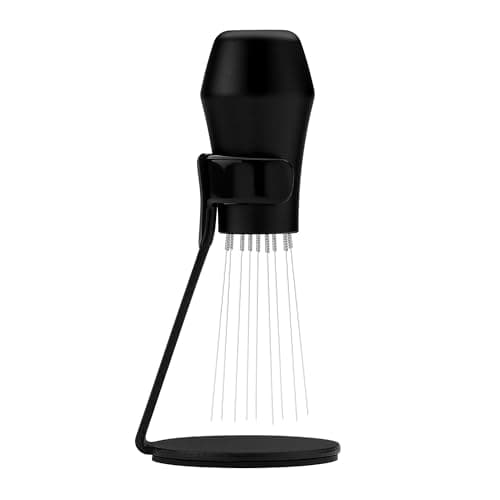
Case 1: wet puck plus a fast, pale, sour shot.Now you have under-extraction, and the puck is telling you water went through too easily rather than through the whole bed. The likely causes are grind too coarse, a dose well below the basket’s rating, or channeling from an uneven bed. Fix the shot, in that order; the puck will follow or it will not, and it does not matter which. Start at why is my espresso sour or bitter and how many grams for a double shot.
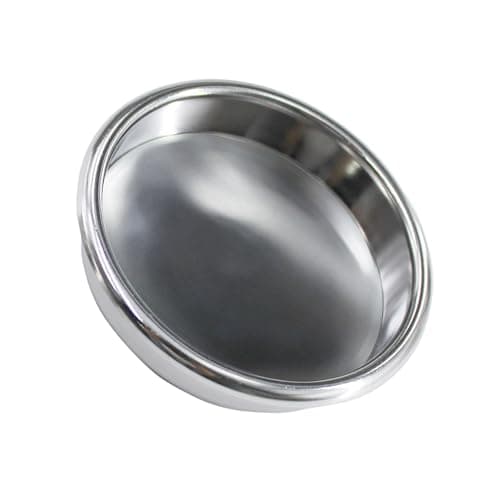
Case 2: a machine that used to knock out dry pucks and now does not.This one is worth acting on. On a three-way-valve machine, losing the dry puck means the valve is no longer dumping properly — usually because coffee oils and fines have gummed up the valve or the group, occasionally because the solenoid itself is failing. The first response is a proper backflush with a cleaning detergent, which is what the blind basket below is for. If backflushing restores it, it was buildup. If it does not, it is a service job rather than a technique problem.
Three things that look like causes and are not
“Dose up until the puck is dry.”The most common advice and the one to be careful with. A bigger dose fills the headspace, so there is less room for standing water and the puck looks drier — but if you push past the basket’s rated capacity the puck presses into the shower screen, loses the clearance it needs, gets disturbed and channels. You will have traded a cosmetic problem for a real one. Dose to the basket’s rating, not to the puck’s appearance.
Tamping harder. It does not change how much water is left above the puck, and over-tamping is its own problem. Tamp level and firm, consistently; pressure is far less important than levelness.
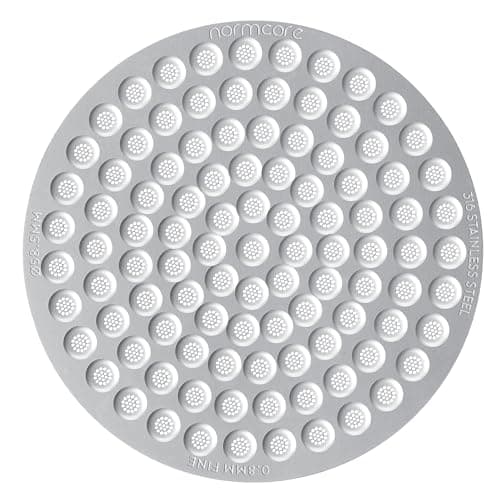
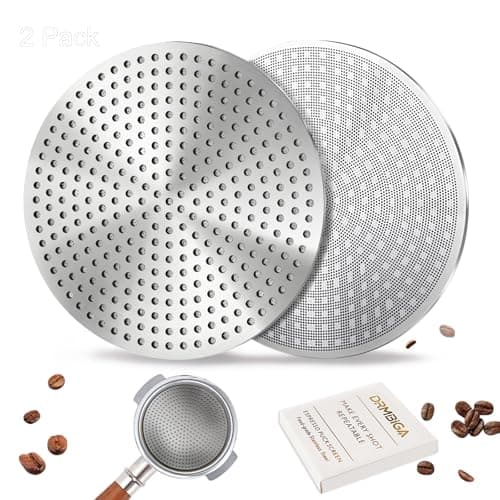
A puck screen. Genuinely useful, but not for this. A screen sits on top of the bed and keeps the shower screen clean; it does not give the standing water anywhere to drain. It can make the puck look tidier when you knock it out, which is a cosmetic improvement rather than a mechanical one.
The actual problem a wet puck causes
Not flavour — mess and hygiene. A soggy puck does not knock out cleanly, so you tap harder, grounds go everywhere, and residue builds up on the basket rim and in the group. That residue is the real issue: coffee oils go rancid and genuinely do make shots taste harsh over weeks in a way no grind adjustment fixes.
Two things make the mess manageable. A proper knock boxgives you something to strike firmly without wrecking the portafilter or the bin — the category is best knock boxes, and whether you need one at all is argued in do you need a knock box. And for a genuinely soupy puck, tip the water off into the sink first and then knock out the solids; fighting a waterlogged disc out of the basket is how baskets get bent.
The picks below are, in order: the tool that fixes the cause when the shot is genuinely bad, the cheap item that keeps the group clean, and the basket that restores a failing three-way valve. None of them makes a wet puck dry on a machine without a valve, and we are not going to pretend otherwise.
Which machines leave a wet puck by design
Wet puck is normal (no three-way valve):Breville Bambino, Bambino Plus, Barista Express, Barista Pro, Barista Touch and Express Impress; most De’Longhi machines including the Dedica and Stilosa; essentially all pressurized-basket entry machines; and bean-to-cup machines, which eject a puck into an internal bin and where the puck’s wetness is both normal and none of your business.
Dry puck expected (three-way valve):Gaggia Classic Pro, Rancilio Silvia, E61 group machines, Breville’s Dual Boiler, and commercial groups generally. On these, a change from dry to wet is a real signal.
If you are unsure, check whether your manual describes backflushing. That is the cleanest proxy there is.
A short diagnostic, in order
1. Is the shot good? If the espresso tastes right and runs in about 25 to 30 seconds, stop here. A wet puck with a good shot is a cosmetic observation.
2. Does your machine have a three-way valve? If not, and it has always been this way, nothing is wrong and nothing on this page will change it.
3. Did this change recently on a valve machine? Backflush with detergent. If that restores it, it was oil buildup.
4. Is the shot fast, pale and sour? Then treat the shot, not the puck: grind finer, weigh the dose against the basket rating, and stir the grounds before tamping.
Related things people confuse with this
A crater or a hole in the puck.Usually the shower screen’s central jet, or the dispersion plate, pressing into a puck with too much headspace. Mostly cosmetic; a puck screen reduces it.
Grounds smeared up the basket walls.The opposite problem — the puck is being pressed into the shower screen, so you are over-dosed for that basket.
A puck that falls apart on knock-out. Often just wetness, sometimes a dose low enough that the bed never consolidated. Check the dose against the rating.
Water pooling in the basket before you even brew.That is residual water from the last shot or a leaking group, and on a valve machine a persistent drip after the shot points at the valve rather than the puck — see why is my espresso machine not building pressure.