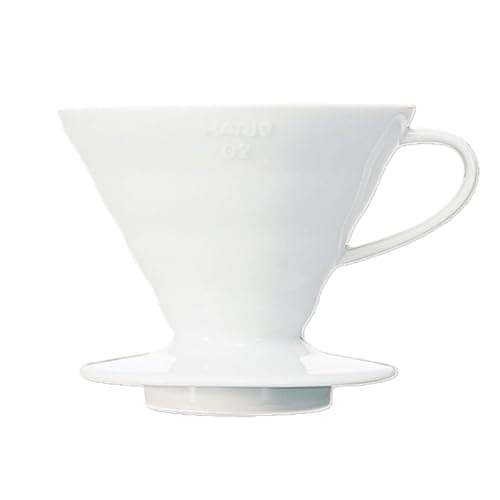
The verdict: the Hario V60 Ceramic Dripper is the best Chemex alternative for most people, because it keeps the paper-filtered clarity and the manual control and costs a fraction as much — you just pour into your own vessel instead of a glass carafe. If you want the flat bed and the steadier, more forgiving drawdown, buy the Kalita Wave 185. The budget pick is the OXO Brew Pour Over with Water Tank, the cheapest item here that brews a proper filtered cup and does the pouring for you.
Before the list, the honest framing: a Chemex is doing three things at the same time, and every alternative keeps some and drops others.
- It is a brewer and a serving carafe in one piece of glass. You brew into it and pour from it at the table. Nothing else on this page does that.
- Its filters are unusually thick. Chemex bonded paper is noticeably heavier than a V60 or Kalita filter, which strips more oils and fines. The result is a brighter, lighter-bodied, very clean cup. That is a real difference, and whether it is better is a preference rather than a fact.
- It brews a batch. A six-cup Chemex makes coffee for a table in one pass, which most single-serve drippers cannot.
So the ranking is by how many of those three a brewer keeps, then by cup style, then by price. People search for an alternative for three recognizable reasons: the glass is fragile, the proprietary filters are expensive and sometimes hard to find, and the brewing technique is unforgiving if your pour is uneven. Each entry says which of those it actually solves. This page is deliberately not a re-cut of our AeroPress alternatives page, which ranks the same category on immersion forgiveness, cleanup speed and portability — different axes, different order.
Every pick already appears elsewhere on this site; specifications, pros and cons are carried over unchanged and each pick says where it came from. Prices are live from the price layer with the date they were read.
Why people leave a Chemex, and what actually fixes it
The glass breaks
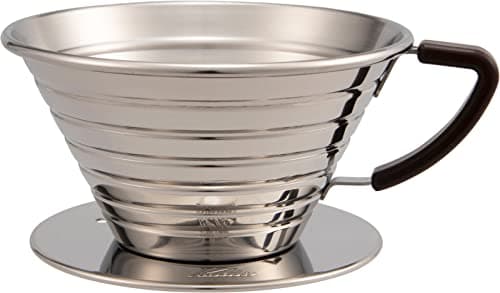
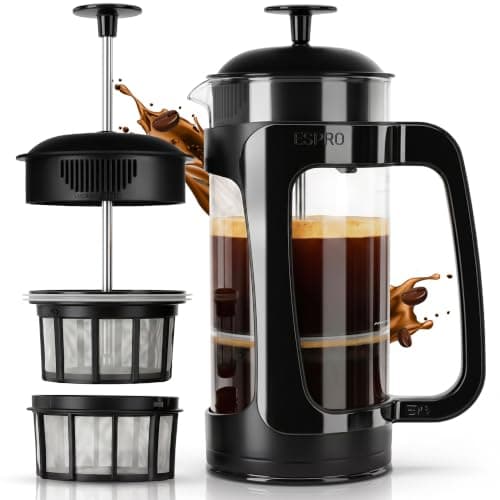
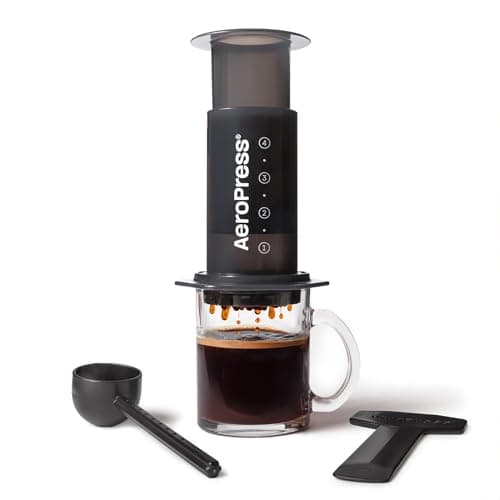
Borosilicate is strong against heat and weak against the edge of a sink. Only two picks here genuinely solve that: the stainless Kalita Wave and the AeroPress, which is plastic and effectively indestructible. A ceramic V60 is just as breakable, and the Espro has a glass carafe of its own. If fragility is your reason, the list is short and this is it.
The filters are expensive and sometimes out of stock
Chemex bonded filters are proprietary, heavy, and priced accordingly. V60 papers and AeroPress microfilters are among the cheapest and most widely stocked filters in coffee, and the Espro uses no paper at all. This is the most completely solvable of the three complaints.
The brew is unforgiving
A Chemex is a cone with a very restrictive paper, so an uneven pour shows up as a slow, uneven drawdown. The flat-bed Kalita, the immersion Espro, the pressure-assisted AeroPress and the automatic OXO all take technique out of the equation in different ways. The V60 does not — it is, if anything, slightly less forgiving than a Chemex.
What you cannot replace
Two things, named honestly. Nothing here is a brewer and a serving carafe in one piece of glass, which is a real part of why people own a Chemex and is an aesthetic and social function rather than a brewing one. And nothing here replicates the specific cup that a very thick bonded paper produces: brighter, lighter-bodied, exceptionally clean. If that cup is what you want and the only problem is the filters, the right answer may be to keep the Chemex — which is a conclusion a page like this should be willing to reach.
Cone or flat bed?
This is the real decision among the drippers. A cone has the coffee deepest at the point, so water passing through the center travels through more coffee than water at the edge; your pour has to compensate. A flat bed holds the coffee at a uniform depth and the drainage holes set the flow rate, so the brewer compensates for you. Cones reward technique; flat beds reward consistency. Our best pour over coffee makers page ranks the whole field on that axis.
Whatever you buy, two things matter more
The grind and the water temperature, in that order. Pour-over of any geometry is unforgiving of an uneven grind, because the fines over-extract while the boulders do not extract at all — which is why our standing advice is to spend on a grinder before a brewer. And every brewer here except the OXO needs you to pour, which realistically means a gooseneck kettle under $100. The ratios are on our coffee to water ratio page.
How we picked
We did not lab-test this gear
Everyone in this category says they tested twenty machines. We have not lab-tested any of these, and we say so. What we did instead: compiled the published manufacturer specifications, read the manuals, ran the math where there was math to run (heat-up time, pressure, dose capacity, grind range, cost per cup), and scored each pick against a published rubric. The scores are judgments from documented research — not measurements we took, because we do not have a lab and we will not pretend we do. Where a number came from someone else's work, we name them in Sources.