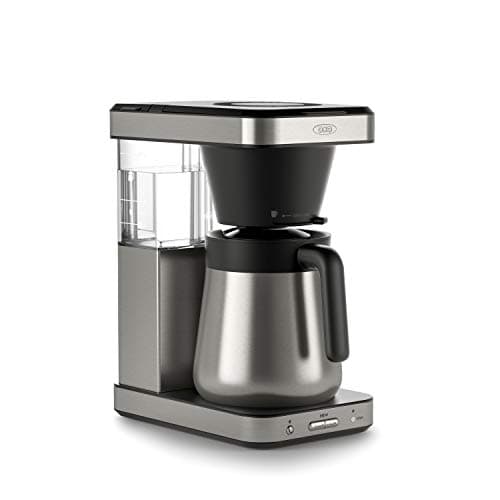
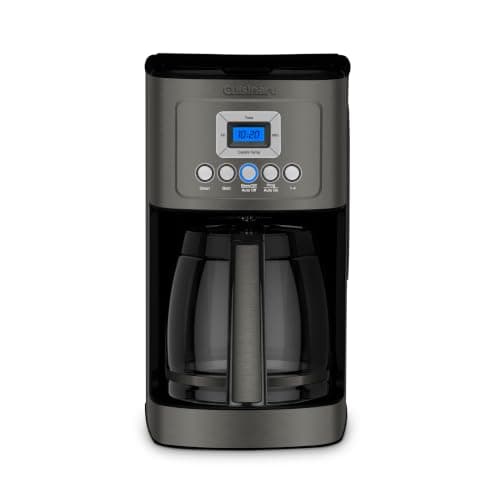
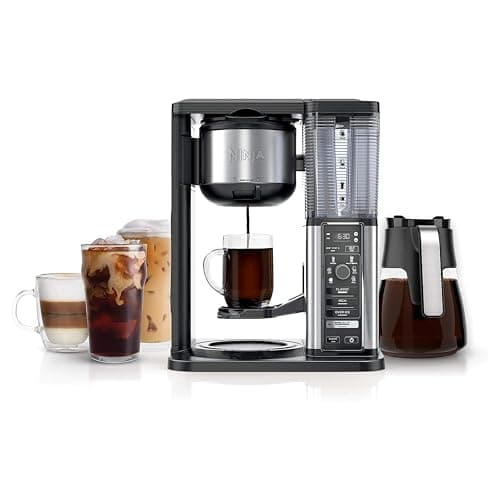
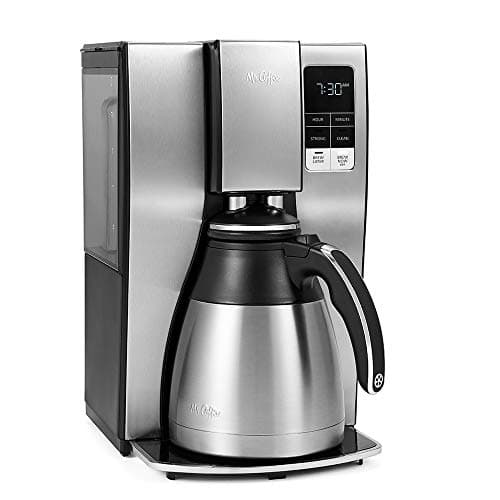
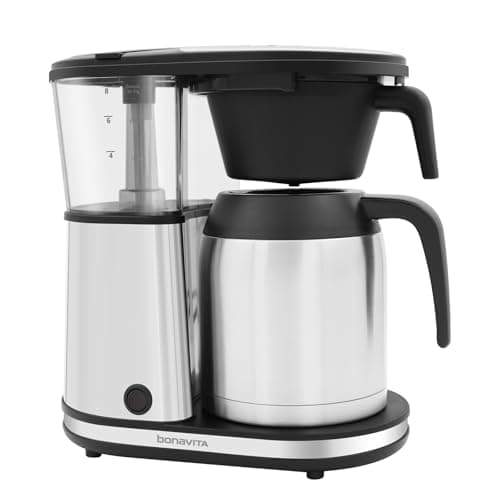
The verdict: the Bonavita 8-Cup is the best coffee maker under $200 for anyone who cares what the coffee tastes like — it is SCA Golden Cup certified, it has a thermal carafe instead of a hot plate, and it has no clock at all. If you want the pot waiting for you in the morning, the OXO Brew 8-Cup Thermal is the only certified machine here that also has a timer. The budget pick is the Mr. Coffee 10-Cup Programmable Thermal, the cheapest machine on this page that is genuinely insulated rather than a glass pot cooking on an element — and the cheapest thing here that does the job.
Two hundred dollars is the first bracket where the evidence changes. Below $100 you are choosing between machines that publish nothing about how hot they brew; the honest advice at that price is usually a manual brewer and a kettle, which is why our best coffee makers under $100 page ranks an AeroPress and a Chemex alongside the electrics. Somewhere under $200 the Specialty Coffee Association's Certified Home Brewer mark starts appearing — and a certification is somebody else's verification that a machine brews in the correct temperature window, which is a different kind of claim from a manufacturer naming its own heating system.
So that is the order we ranked in. Published brew-temperature evidence first, carafe type second, features third. It puts a machine with no clock in first place and a 14-cup programmable with every convenience in third, and we think that is the right way round: a timer is a nice morning, but temperature is the cup. Where a pick appears on another ranking of ours, its specifications, pros and cons are carried over unchanged from that entry and the pick says so — we re-rank for this bracket, we do not re-score the hardware.
One thing this bracket cannot buy: a machine that both brews to a certified standard and grinds its own beans. The grind-and-brew below is a genuine burr machine and it is the cheapest honest way to get fresh grounds into a drip basket, but it is not certified, and the certified machines do not grind. If fresh grind matters more than certification, buy it; if the cup matters more, buy a certified brewer and a separate grinder under $200.
How to choose a coffee maker under $200
This bracket is wide enough that the machines inside it are not really competing on the same thing. Four questions sort them.
1. Is the brew temperature verified by anyone but the manufacturer?
Drip coffee has one dominant variable the machine controls and you do not: the temperature of the water hitting the bed. Brew too cool and the cup is thin and sour no matter how good the beans are. The Specialty Coffee Association's Certified Home Brewer program tests for exactly this, among other criteria, which is why we rank it above every feature. Two machines on this page carry the mark. The others publish branded heating systems — PerfecTemp, for instance, is a product name rather than a temperature specification — and that is not the same kind of evidence. It does not mean they brew cool; it means nobody has published a figure, and we will not invent one.
2. Thermal carafe or glass on a hot plate?
A warming plate does not preserve coffee, it continues to cook it, and within about half an hour a good brew tastes scorched and flat. An insulated carafe takes the element out of the design entirely. The trade is that a thermal machine of a given price tends to give you fewer cups and fewer features than a glass one, because the carafe costs real money. If your pot is finished inside half an hour, glass is fine and you should buy the extra cups. If it sits, buy insulation and stop there.
3. How many cups do you actually brew?
Big machines brew small batches badly. With only a few cups of water in the tank the flow runs through the bed too fast and the result is weak, which is why a genuine 1-4 cup mode like the Cuisinart's is worth more than it looks. Going the other way, an 8-cup thermal machine run twice is slower and worse than a 14-cup machine run once. Size the machine to your normal morning, not to your busiest one.
4. Grind in the machine, or grind next to it?
Freshly ground coffee is the single biggest improvement available to most drip drinkers, and in this bracket you have to choose: a machine that grinds, or a machine with verified brewing. There is no machine under $200 that does both. A separate grinder grinds better, lasts longer and can be replaced on its own, and the combined cost is higher — so this comes down to counter space and budget rather than to taste. Our best coffee grinders under $200 ranking is the other half of that decision, and best grinders for drip coffee explains what a drip basket actually wants from a grind.
What $200 cannot buy
Three things, stated plainly so you are not hunting for them. There is no certified machine with a built-in grinder in this bracket — the cheapest certified grind-and-brew sits in our best coffee makers under $500 bracket. There is no machine here with adjustable brew temperature or adjustable flow. And there is no machine here that publishes a heat-retention figure for its carafe, including the two certified ones, so any number you read about hours of hot coffee came from somewhere other than the manufacturer. If a review quotes degrees lost per hour, ask where the measurement came from.
Where the beans and the water fit
The machine is a third of the result. The other two thirds are grind and dose, which a scale and a burr grinder fix for less than the machine costs, and water, which matters more than most people expect — brewed coffee is overwhelmingly water by weight. Start with the working ratio in coffee to water ratio, buy beans suited to a drip basket from best coffee beans for drip coffee, and keep the basket and the tank clean. A certified machine with stale pre-ground coffee makes a worse cup than a cheap machine with fresh beans, and no ranking can fix that for you.
How we picked
We did not lab-test this gear
Everyone in this category says they tested twenty machines. We have not lab-tested any of these, and we say so. What we did instead: compiled the published manufacturer specifications, read the manuals, ran the math where there was math to run (heat-up time, pressure, dose capacity, grind range, cost per cup), and scored each pick against a published rubric. The scores are judgments from documented research — not measurements we took, because we do not have a lab and we will not pretend we do. Where a number came from someone else's work, we name them in Sources.