Skip to content
Tamp & Pour

Roundups & reviews · Grinders

The best coffee grinders for French press

A French press filters with metal, not paper — so every fine particle your grinder makes ends up in the cup. These are ranked on fines and coarse range, which is a different test from pour-over.

By Stephen V.Updated How we review
#ad

We earn a commission when you buy through our Amazon links, at no extra cost to you. It never changes a verdict, and we say so when the cheaper product is the better buy. How this works.

If sludge and bitterness are what you want gone, buy the Fellow Ode Gen 2— its 64mm flat burrs produce the fewest fines of anything we rank, and fines are the entire French press problem. For most people the Baratza Encore is the sensible buy: a third of the price, genuinely coarse, and repairable for years. On a tight budget the SHARDOR gives you 48 steps of adjustment for very little, and the Hario Skerton Prois the cheapest honest answer of all — a hand mill whose weakness is at the fine end, which a French press never visits.

A blade grinder is not on this list and should not be on yours. It does not grind, it chops — producing dust and boulders simultaneously, which is the worst possible input for a mesh filter. If that is what you own, the upgrade below is the biggest single improvement available to your coffee. We explain why in burr vs blade grinders.

Why French press is a fines problem, not a uniformity problem

French press is immersion brewing with a metal mesh filter, and that combination creates a requirement no other method has.

Every grinder, however good, produces a distribution of particle sizes rather than one size: a peak around your target plus a tail of much smaller particles called fines. A paper filter traps them. A metal mesh, with holes sized to let brewed coffee through, does not. So in a French press the fines go into your cup, and they do two things there.

They settle as sludge.That gritty layer at the bottom of the last third of the mug is fines. It is the single most common complaint about French press, and it is almost never the press’s fault.

They keep extracting. A fine particle has enormous surface area relative to its mass, so it gives up its soluble compounds much faster than the grounds around it. In a four-minute immersion, the fines are over-extracted long before the rest of the bed is ready, and over-extraction tastes bitter and astringent. Worse, they carry on extracting in the cup after you have plunged, which is why a French press that was fine at minute one can taste harsh at minute six.

That is the whole brief. Not “even grind” in the abstract — specifically fewer small particles at a coarse setting.

Why this is not the same list as pour-over

Our pour-over grinder pageranks some of the same hardware in a different order, and the reason is mechanical rather than editorial. A paper filter already removes fines, so in a pour-over their cost is not grit in the cup — it is flow: fines migrate down and clog the paper, the bed stalls, and the brew over-extracts because contact time runs long. A pour-over grinder is therefore judged on flow consistency and on precision in the medium range, where small adjustments change drawdown time.

A French press grinder is judged on the coarse end of its range, where many grinders are at their worst because the burrs are optimised for the middle, and on how clean that coarse grind is. Two practical consequences for shortlisting: a grinder with a brilliant fine range and a mediocre coarse range is a bad buy here even if it is excellent generally, and a grinder whose adjustment range is narrow at the fine end — normally a mark against it — costs you nothing at all.

What to look for, in order

1. Fines production at a coarse setting. This is the ranking criterion. Flat burrs tend to produce a tighter distribution than conical burrs at coarse settings, which is the reason a dedicated brew grinder leads this page.

2. Genuine coarse range. You need settings well past drip. Some grinders that are excellent for espresso simply run out of travel before they reach a proper French press coarseness.

3. Repeatability. Stepped adjustment is an advantage rather than a limitation for this job: you want to return to the same coarse setting every morning, and you are never chasing the quarter-step precision espresso demands.

4. Retention matters less here.Grounds left inside the grinder are a real problem for an espresso drinker dialling in a shot. For French press, where a gram either way is lost in a 350g brew, it is close to irrelevant — so do not pay for low retention unless you want it for other reasons.

5. Burr material is not the decider. Ceramic burrs grind coarse coffee perfectly well; their weakness shows at fine settings. For this one method, a cheap ceramic mill is a far better match than its overall rating suggests, which is why one is on this list.

The short answer

Quick picks

  • 01
    Fellow Fellow Ode Gen 2
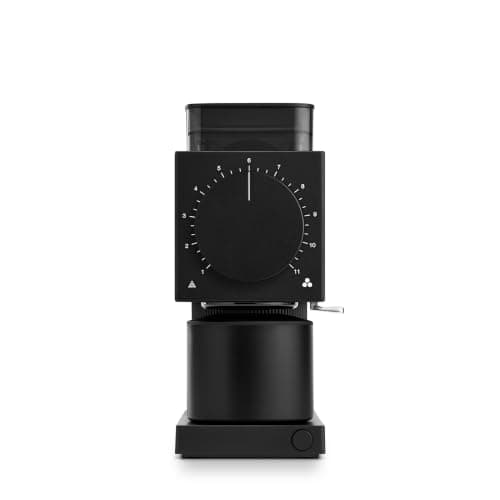
    Fellow Ode Gen 2

    The cleanest cup on this page: 64mm flat burrs built for filter coffee only, which is exactly the trade a French press drinker should want to make.

    7.6Best overall — fewest fines
  • 02
    Baratza Baratza Encore
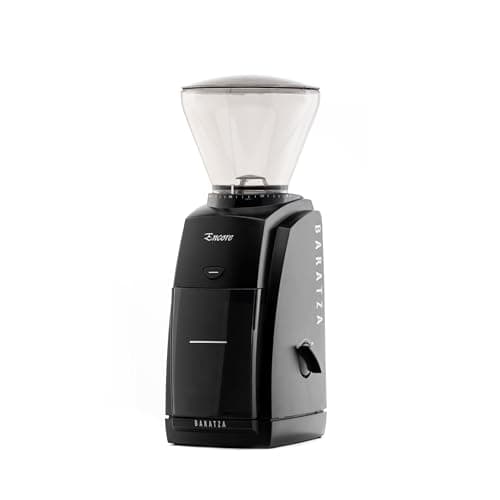
    Baratza Encore

    The sensible buy for almost everyone: 40 stepped settings aimed squarely at filter and press coffee, at a third of the Ode's price, with parts you can still get in ten years.

    7.3Best value — the one to buy
  • 03
    SHARDOR SHARDOR Professional Conical Burr Coffee Grinder (48 settings)
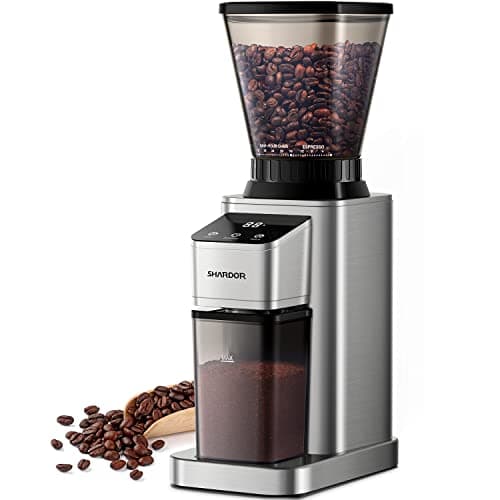
    SHARDOR Professional Conical Burr Coffee Grinder (48 settings)

    The budget electric with real range: 48 steps for a fraction of the Encore, with build compromises that matter far less on a method this forgiving.

    6.5Best budget electric
  • 04
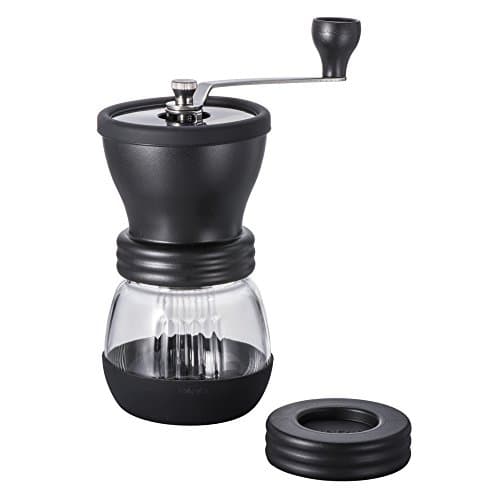
    Hario Hario Skerton Pro
    Hario Skerton Pro

    The cheapest grinder on this page that we would actually recommend, because its one real flaw lives at the fine end of the dial and a French press never goes there.

    6.3Cheapest honest option

#ad · Live prices from the Amazon Product API, as of October 18, 2026. Where we have no verified live price, we show none — a gap beats a number that has rotted.

In detail

The picks, in full

01
Fellow Fellow Ode Gen 2

Best overall — fewest fines

Fellow Ode Gen 2

64mm flat burrSingle-dose loadingVery low retentionBrew-only range
7.6/10

The cleanest cup on this page: 64mm flat burrs built for filter coffee only, which is exactly the trade a French press drinker should want to make.

Grind consistency
9
Adjustment range
5.5
Retention
8.5
Build
8.5
Value
6.5

Pros

  • 64mm flat burrs produce a tight, uniform grind that filter methods reward
  • Single-dose design with a magnetic catch cup and near-zero retention
  • Beautiful, compact build that looks and feels premium

Cons

  • Does not grind fine enough for espresso — Fellow designed it for filter only
  • Premium price for a grinder that deliberately does one job

Don't buy this if…

…you want a single grinder for both espresso and filter — the Ode is a dedicated brew grinder, and forcing it toward espresso will disappoint you.

Who it is for: the French press drinker who has decided the sludge and the bitterness are worth money to fix, and who does not pull espresso. Look at what its two listed downsides actually cost you: “does not grind fine enough for espresso” and an adjustment-range score of 5.5, the lowest here. Both describe missing travel at the fine end of the dial — which is the end a French press never uses. You are buying the 9.0 grind-consistency score, the highest on this page, and paying for it in a range you were not going to visit. That is a genuinely good trade for a single-method household and a bad one for anyone who might buy an espresso machine later, which its own dontBuyIf line says plainly. Full detail in our Fellow Ode Gen 2 review, and the burr-geometry argument is in conical vs flat burr grinders.

$399.95View on Amazon

Price as of October 18, 2026. Prices change — Amazon's at checkout is the one that counts.

#ad · we may earn a commission from this link to Fellow Ode Gen 2

02
Baratza Baratza Encore

Best value — the one to buy

Baratza Encore

40mm conical burr40 stepped settingsFilter and French press focusRepairable, well-supported
7.3/10

The sensible buy for almost everyone: 40 stepped settings aimed squarely at filter and press coffee, at a third of the Ode's price, with parts you can still get in ten years.

Grind consistency
7.5
Adjustment range
6
Retention
6.5
Build
7.5
Value
9

Pros

  • The most recommended first grinder for filter coffee, and deservedly so
  • 40 settings cover everything from cold brew to fine drip cleanly
  • Excellent long-term parts and service support from Baratza

Cons

  • Not fine or precise enough for real espresso
  • Plastic housing and stepped adjustment feel basic next to pricier grinders

Don't buy this if…

…espresso is anywhere in your plans — the standard Encore tops out too coarse, and the Encore ESP exists for exactly that reason.

Who it is for:the reader who wants this decision over with. The Encore was designed around exactly the range this page cares about — its own spec line calls out a filter and French press focus — and the 40 stepped settings mean you find your coarse number once and return to it every morning without thinking. The two cons both concern espresso and are therefore free to you here. The reason we rank it second rather than first is honest and narrow: at 7.5 its grind consistency is good rather than exceptional, so you will still see some sludge in the last inch of the mug, where the Ode gets closer to none. Whether closing that gap is worth roughly tripling the spend is a real question and for most households the answer is no. Repairability is the quiet argument for it: Baratza sells the wear parts, so this is a grinder you service rather than replace. The full Encore review covers the espresso question, and Encore vs Encore ESP is the page to read if espresso is even a maybe.

$149.95View on Amazon

Price as of October 18, 2026. Prices change — Amazon's at checkout is the one that counts.

#ad · we may earn a commission from this link to Baratza Encore

03
SHARDOR SHARDOR Professional Conical Burr Coffee Grinder (48 settings)

Best budget electric

SHARDOR Professional Conical Burr Coffee Grinder (48 settings)

Conical burr48 grind settingsTimed dosingEspresso through French press range
6.5/10

The budget electric with real range: 48 steps for a fraction of the Encore, with build compromises that matter far less on a method this forgiving.

Grind consistency
6.5
Adjustment range
7.5
Retention
5
Build
5.5
Value
8

Pros

  • 48 steps give far more granularity than the 12-to-15-step electrics around it
  • Reaches genuinely fine settings, so it can feed a pressurized-basket espresso machine
  • Timed dosing and a removable grind chamber make daily use simple

Cons

  • Plastic-heavy construction; not a grinder you keep for a decade
  • Fine settings are usable but not precise enough to dial a non-pressurized espresso shot
  • Static cling at fine grinds means grounds stick to the chamber

Don't buy this if…

…you own a machine with non-pressurized baskets — for real espresso you need repeatable micro-adjustment this cannot deliver.

Who it is for:the reader replacing a blade grinder on the smallest budget who still wants a motor doing the work. Two of its three cons are fine-grind problems — imprecise fine settings and static cling at fine grinds — and both evaporate at French press coarseness, where static is a non-issue and precision is not required. Its retention score of 5.0 is the worst on this page and also the least consequential: a gram or two retained is invisible in a 350g brew. What you genuinely give up is the 6.5 grind consistency, which means more fines and more sludge than the two picks above, and the 5.5 build score, which is the real reason it ranks third — this is a grinder with a plastic-heavy body you replace rather than service, where the Encore is one you keep. If your budget stretches, stretch. If it does not, this is a very large upgrade over chopping. It also leads best budget coffee grinders on adjustment per dollar.

$69.98View on Amazon

$79.9913% off

Price as of October 18, 2026. Prices change — Amazon's at checkout is the one that counts.

#ad · we may earn a commission from this link to SHARDOR Professional Conical Burr Coffee Grinder (48 settings)

04
Hario Hario Skerton Pro

Cheapest honest option

Hario Skerton Pro

Ceramic conical burrImproved adjustment vs originalGlass base jarCoarse-friendly range
6.3/10

The cheapest grinder on this page that we would actually recommend, because its one real flaw lives at the fine end of the dial and a French press never goes there.

Grind consistency
6
Adjustment range
5.5
Portability
6.5
Build
6
Value
7.5

Pros

  • Ceramic burrs are affordable and grind coarse coffee cleanly
  • The Pro tightened up the adjustment over the original Skerton
  • Simple, durable and easy to hand-wash

Cons

  • Some burr wobble makes fine, uniform espresso grinding inconsistent
  • Slower to grind and less refined than steel-burr rivals

Don't buy this if…

…you want to grind for espresso — the fine end is where its wobble shows most, so buy a steel-burr grinder for shots.

Who it is for:the one-mug-a-day French press drinker, the camper, and anyone in shared housing where a loud electric grinder is a problem. This is the clearest case on the site of a product whose overall score understates it for a specific job. Its 6.3 is the lowest here, and the defect driving it is burr wobble — which, as its own cons list says, is where the fine end shows most. A French press asks for the coarse end, and at coarse settings its own pros line is the relevant one: ceramic burrs grind coarse coffee cleanly. So the gap between this and the Encore is much narrower for press coffee than the numbers suggest, though not zero: you still get more fines than either electric above it. What you pay instead of money is effort — it is slower, and hand-grinding a press dose is a genuine arm workout rather than the thirty seconds an espresso dose takes. Buy it for one or two mugs, not four. The category is in best manual coffee grinders, and the trade-off is argued in manual vs electric coffee grinders.

$42.10View on Amazon

Price as of October 18, 2026. Prices change — Amazon's at checkout is the one that counts.

#ad · we may earn a commission from this link to Hario Skerton Pro

Fixes that cost nothing, before you buy anything

Go coarser than you think. The most common French press error is grinding at drip coarseness. Press grind should look like coarse sea salt, with distinct particles you can see individually. Coarser means fewer fines by definition. Coffee grind size chart places it against every other method.

Decant the brew as soon as you plunge. Coffee left sitting on the grounds keeps extracting, which is why the second mug from a press tastes harsher than the first. Pour the lot into a carafe or a second vessel immediately.

Skim the foam before plunging, and plunge slowly. Pushing hard forces fines through the mesh and stirs up the bed you just let settle.

Try the no-plunge method. Steep, break the crust, let it stand, then press the plunger only just below the surface and pour gently. Most of the sediment stays at the bottom of the press instead of coming with you.

Those four change the cup more than moving one rung up this list does. The grinder is what you buy when you have done them and still want less silt.

One grinder for French press and espresso?

It is the question behind half the picks on this page, and the honest answer is that espresso is the harder constraint, so let it decide. A grinder that does espresso properly will also do a decent French press; a dedicated brew grinder cannot be pushed the other way, and Fellow says so about the Ode in its own documentation. If there is any real chance of an espresso machine in your future, buy from best espresso grinders instead and accept slightly more sludge in the press. If there is not, a brew-only grinder gives you more grind quality per dollar because you are not paying for fine-end precision.

Cold brew is the same grinder question

Cold brew wants an even coarser grind than French press and usually a filter bag or a mesh basket, so everything on this page applies with the dial turned further. The upside is that cold brew’s long steep is forgiving of a less uniform grind, which means the cheaper picks here close most of the gap. See best cold brew coffee makers and best coffee beans for cold brew.

Keep the burrs clean

Coffee oils build up on burrs and in the chute, and a grinder that has been grinding dark roasts for a year is measurably worse than it was new — grounds clump and the grind drifts coarser than the dial claims. This is a half-hour job a couple of times a year, and it is free: how to clean a coffee grinder.
How we picked

We did not lab-test this gear

Everyone in this category says they tested twenty machines. We have not lab-tested any of these, and we say so. What we did instead: compiled the published manufacturer specifications, read the manuals, ran the math where there was math to run (heat-up time, pressure, dose capacity, grind range, cost per cup), and scored each pick against a published rubric. The scores are judgments from documented research — not measurements we took, because we do not have a lab and we will not pretend we do. Where a number came from someone else's work, we name them in Sources.

Questions

Frequently asked

What grind size is best for French press?
Coarse — like coarse sea salt, with particles you can see individually. Finer than that and the fines pass through the metal mesh, giving you sludge in the cup and a bitter, astringent taste from over-extraction.
Why is there sludge at the bottom of my French press?
Those are fines — the very small particles every grinder produces alongside your target size. A paper filter would trap them; a metal mesh cannot. Grinding coarser and using a grinder that produces fewer fines are the two real fixes, and pouring the brew off the grounds immediately stops them extracting further.
Do I need a burr grinder for French press?
Yes, if you want it to taste clean. A blade grinder chops rather than grinds, producing dust and boulders at the same time, and the dust is exactly what a mesh filter lets through. It is the worst pairing in coffee.
Is a manual grinder good enough for French press?
For one or two mugs, yes — and a cheap ceramic mill suits this method better than its overall rating suggests, because its weakness is at fine settings a press never uses. The cost is time and effort: hand-grinding a press dose is noticeably more work than an espresso dose.
Is the best French press grinder the same as the best pour-over grinder?
Not quite. A paper filter removes fines, so in pour-over their cost is clogged flow and a stalled bed rather than grit in the cup, and the grinder is judged on precision in the medium range. French press is judged at the coarse end, on how few fines the grinder makes there.

Keep reading

Receipts

Sources

We do not run a testing lab, and we do not pretend to. Where a measured number came from someone else's work, we name them and link them. Where we could not verify something, we say so on the page rather than quietly leaving it out. Read our full method.