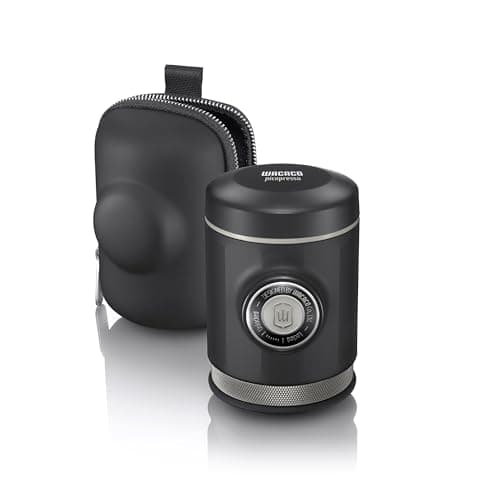
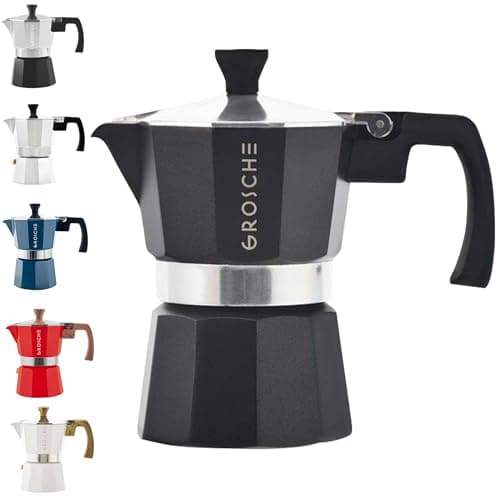
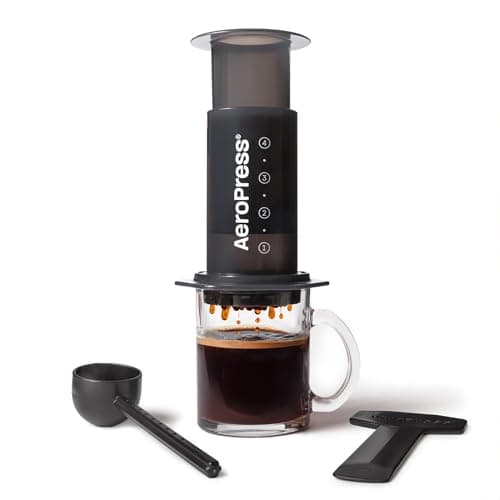
The verdict: the AeroPress Original is the best travel coffee maker for almost everyone — it needs nothing but hot water from any source, it is effectively unbreakable, it cleans up in about five seconds, and hotel rooms, offices and campsites all supply the one thing it requires. If you want real espresso on the road, the Wacaco Picopresso pulls a genuine 18g shot from a pocket with no electricity at all. The budget pick is the GROSCHE Milano 3-cup, the cheapest thing here that makes a strong cup, provided wherever you are going has a hob.
Almost every travel coffee list ranks by size, and that is the wrong first question. A brewer that packs into a sock is useless if it needs a stovetop and you are in a hotel room with a kettle and no hob. A capsule machine is perfect in an RV with mains power and dead weight in a tent. So the ordering criterion on this page is heat source: what will actually be available where you are going, and does the brewer supply its own heat or expect you to?
There are four answers, and they map almost exactly onto four kinds of trip. Brewers that need only hot water — from a kettle, a gas station, a hotel tap or a camp stove — are the most portable in practice, because hot water is the easiest thing in the world to find. Brewers that need a hob want a kitchen, a cabin or a camp stove. Brewers that heat their own water need a socket, which means a hotel, an office or an RV. And brewers that need nothing at all except your arm still need hot water, so they belong in the first group with an asterisk.
After heat source we ranked on packed size and weight, then on durability, because the real failure mode of travel gear is not inconvenience, it is a cracked brewer in a bag at the start of a week away. That last criterion is why one otherwise excellent brewer is not on this page at all: a ceramic pour-over cone is lovely at home and a liability in luggage, and we would rather say that than pad the list. Every pick here is a product already in our registry, and each one's specifications, pros and cons are carried over unchanged from its entry elsewhere on the site, with that page named in the pick's own body.
Choose by heat source first
Work out what you will actually have when you arrive, then pick from that group. Nothing else about a travel brewer matters as much.
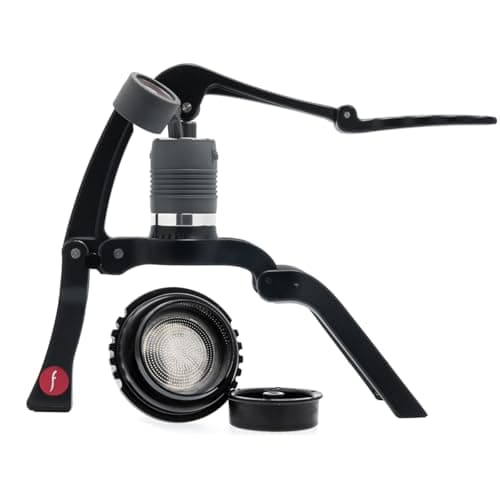
A kettle, a thermos or any hot water: the AeroPress, the Picopresso, the Flair
This is the biggest and most useful group, because hot water is the easiest resource to find anywhere — hotel kettles, office urns, camp stoves, service stations, even a tap in some countries. All three of these brewers take hot water you supply and do the rest themselves, which makes them the most genuinely portable picks on the page regardless of how they measure up on size. If you only read one line of this guide: a brewer that needs hot water is more portable than a brewer that needs a specific appliance.
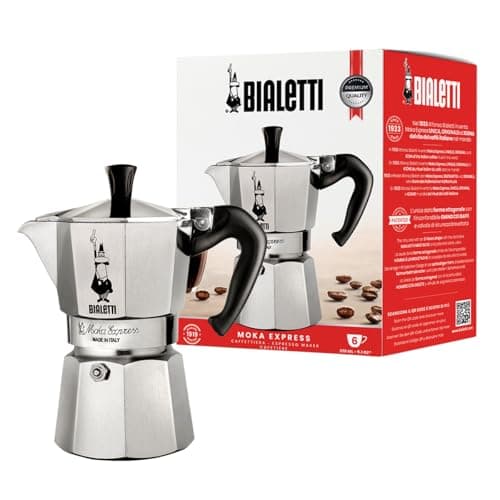
A hob or a camp stove: the Bialetti, the GROSCHE
Moka pots make their own pressure from a heat source underneath, so they need a flame or an element and they need the right one. Aluminum pots — both of these — do not work on induction hobs, and induction is common in modern rentals. Check before you pack, and if the kitchen is induction, buy the stainless version or take a hand brewer instead. For a campsite, a moka pot on a gas burner is one of the most reliable ways to make coffee outdoors that exists, because nothing in it can break.
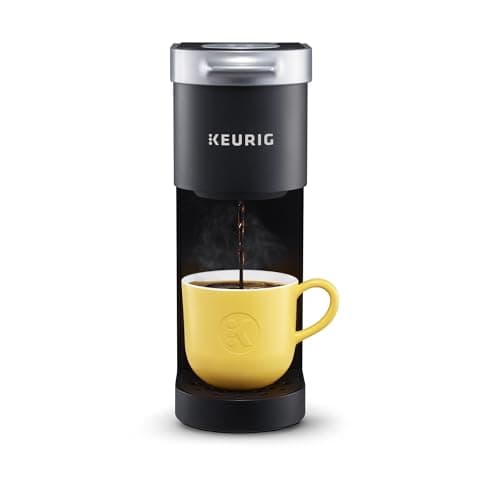
A mains socket and nothing else: the Keurig K-Mini
More hotel rooms than you would expect have a socket and no kettle, and a surprising number of long-stay apartments have a hob that takes twenty minutes to find a pan for. A machine that heats its own water solves a problem none of the other picks here can touch. It costs you bulk, weight and the highest running cost in coffee, so it belongs in a car or a cupboard rather than in hand luggage.
Nothing at all
There is no brewer on this page that makes hot coffee without a heat source, and anyone telling you otherwise is selling something. If you will have no heat, the honest answers are cold brew made in advance in a bottle, or instant coffee. Our best cold brew coffee makers page covers brewing a concentrate at home that travels in a flask.
The three things that actually go wrong
You forget the grinder.This is the big one, and it is the difference between a good week and a bad one. Two picks here — the Picopresso and the Flair — use unpressurized baskets that need a grind fine and even enough to build real pressure, so travelling with them means also travelling with a hand grinder. The AeroPress and both moka pots are forgiving enough to run on whatever ground coffee you can buy on arrival. Our best manual coffee grinders ranking is the shortlist if you need one that packs.
You pack something breakable. Glass and ceramic brewers are a liability in luggage, which is why no Chemex and no ceramic dripper appears on this page even though both are excellent at home. If you want pour-over on the road, a plastic cone or a collapsible silicone one survives; a ceramic V60 is one badly-packed bag away from being binned. The home versions are ranked in best pour-over coffee makers.
You forget the consumables.The AeroPress needs paper filters, both moka pots need their gasket to be intact, and the Keurig needs pods. None of these is easy to replace in an unfamiliar town, and a moka pot gasket that perishes mid-trip ends the trip's coffee. Pack spares; they weigh nothing.
What about a travel mug?
Different product, different job — a brewer makes the coffee and a mug keeps it hot, and plenty of people searching for a travel coffee maker actually want the second thing. If you are commuting rather than travelling, an insulated mug plus coffee made at home is simpler and better than any brewer here. Our best coffee mugs ranking includes the insulated travel options.
Brewing away from home, honestly
Two practical notes that matter more on the road than at home. Water is most of your coffee by weight, and hotel tap water varies enormously — if a cup tastes flat or metallic in an unfamiliar place, the water is the likeliest cause and bottled water is a cheap test. And beans go stale fast once opened, so for a week away, buy a small bag at your destination rather than carrying an opened one; our whole bean vs ground coffee page covers why. The working ratio does not change because you are travelling — about 1 gram of coffee to 16 grams of water, as set out in coffee to water ratio — and a cheap pocket scale is the single easiest way to make unfamiliar coffee taste like your coffee.