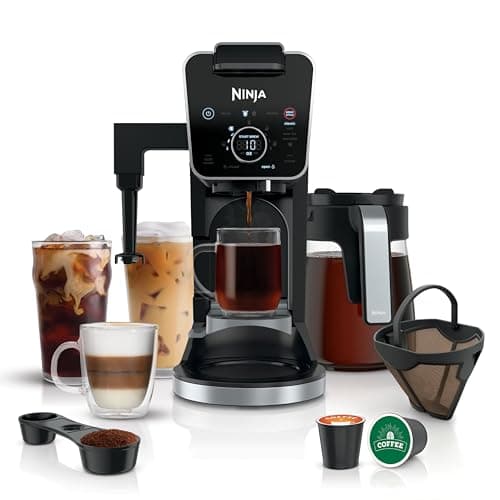
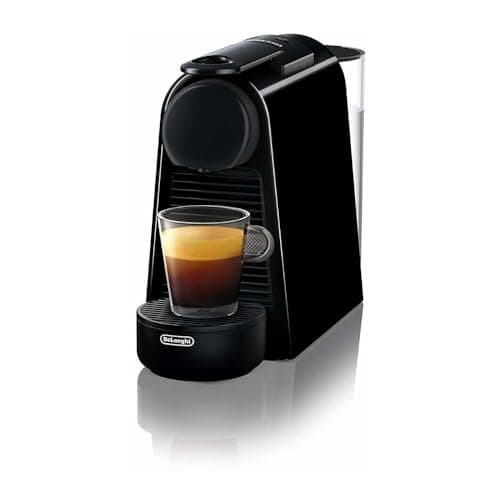
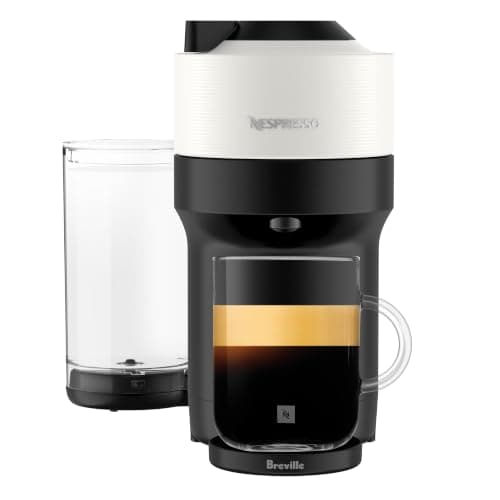
The verdict: if you want the closest like-for-like swap, the Nespresso Vertuo Pop+ is a sealed-capsule, one-button machine that costs less than most mid-range Keurig brewers and makes a cup with real crema. If you want to keep the K-Cups you already own and gain a full carafe, the Ninja DualBrew Pro brews both pods and ground coffee. The budget pick is the OXO Brew Pour Over with Water Tank — under twenty dollars, no pods, no technique, and the cheapest thing here that does the job.
Start with what a Keurig is good at, because an alternative that ignores it is not an alternative. A Keurig brews a single cup from a sealed K-Cup pod in about a minute. There is nothing to measure, nothing to grind, and nothing to clean except popping a used pod into the bin. It offers several cup sizes from the same pod, and the K-Cup catalogue is the widest in the pod world — dozens of licensed brands, decaf, tea, hot chocolate — which is a genuine advantage no other system matches. Keurig also publishes a pod recycling program. If speed, variety and zero effort are what you want, a Keurig is a reasonable machine and nothing on this page is strictly better at being one.
People look for alternatives for three specific reasons, and they want different answers. Cost per cup: pods are expensive per ounce of coffee compared with buying beans, and over a year the gap is real money. Waste: a used pod is a sealed plastic cup, and recycling it requires separating the components. And cup quality: a K-Cup is drip-strength coffee made from grounds that have been sitting sealed, which is fine and which is not the same as fresh grounds brewed at the right temperature. Each pick below is matched to one of those complaints and says which.
The ranking is by how close the swap is first, then running cost, then simplicity. Every pick either matches a Keurig on a stated strength — one-button operation, brew time, cleanup — or costs meaningfully less to buy or to run, and each entry says which. Facts about Keurig here are limited to what Keurig publishes about its own machines and pods; everything else is about the alternatives. Each pick's specifications, pros and cons are carried over unchanged from its entry elsewhere on this site.
Work out which Keurig complaint is yours
The three reasons people leave have three different answers, and buying the wrong one is how a machine ends up in a cupboard.
If your complaint is cost per cup
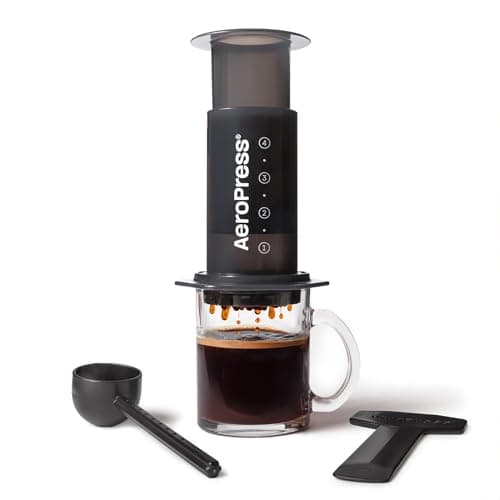
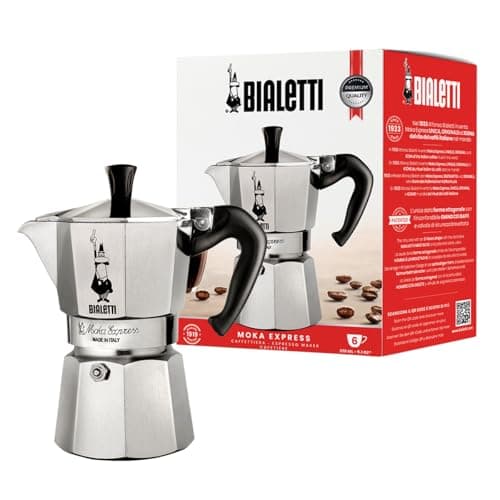
A pod contains a small dose of coffee and a lot of packaging, and the price per pound of coffee bought as pods is many times the price of the same coffee as beans. That is the arithmetic, and it does not change by switching pod systems — so the Vertuo pick above will not help you. The options that do are ground coffee (the Ninja, which keeps pods as a fallback) or a manual brewer (the AeroPress, the moka pot, the OXO), where your running cost is just coffee. If you want to stay on pods and still pay less, Nespresso's Original line is the one system where third parties compete on capsule price.
If your complaint is waste
Then the answer is pod-free, full stop. A sealed pod is a sealed pod, and recycling programs — Keurig publishes one, Nespresso publishes one — require you to separate and return the components, which most people do not sustain. The AeroPress, the moka pot and the OXO dripper produce coffee grounds and, in two cases, a paper filter, all of which compost. If you want to keep a machine but cut the waste, a reusable pod filled with your own grounds is a legitimate middle path, though it gives up the one-touch cleanup that made pods appealing.
If your complaint is the cup
A K-Cup is drip coffee from pre-ground beans that have been sealed for months, and what you taste is largely a function of those two facts rather than of the machine. Two routes improve it. Pressure extraction — Vertuo, or a Nespresso Original machine — adds body and crema a drip-through pod cannot produce. Fresh grounds improve it more: the biggest single jump in cup quality available to a pod drinker is grinding beans the morning you drink them, which is why the pod-free picks score highest on cup quality here. If you go that way, the grinder matters more than the brewer — see best budget coffee grinders.
Three things to check before you switch
How many cups, and at once? Every pick here except the Ninja makes one or two cups per cycle. If your household needs four mugs between seven and eight, you want a carafe machine rather than a single-serve replacement, and best coffee makers under $200 is the right page.
Do you need the machine to heat the water?A Keurig does. The AeroPress, the moka pot and the OXO do not — you need a kettle, and if you do not own one that is a hidden cost. A gooseneck kettle is nice but not required for any of these three.
What are you doing with the K-Cups you already own?If the answer is "finishing them," the Ninja is the only pick that lets you. If the answer is "giving them away," ignore that criterion entirely and buy on cup quality.
What none of these replace
The K-Cup catalogue. Keurig's pod range covers dozens of licensed coffee brands plus tea, hot chocolate and seasonal flavours, and nothing on this page comes close to that breadth — Vertuo capsules come from Nespresso alone, and a manual brewer makes coffee and nothing else. If several people in your house drink different things from the same machine, that is a real reason to stay, and we would rather say so than pretend otherwise.
If you are replacing a Keurig with another pod machine
Then the comparison you actually want is Keurig vs Nespresso, which sets the two systems against each other on pod cost, cup style and recycling, and best pod coffee makers, which ranks machines across both systems. If you have decided you want a Keurig after all — which is a perfectly reasonable conclusion — best Keurig coffee makers ranks the current lineup.