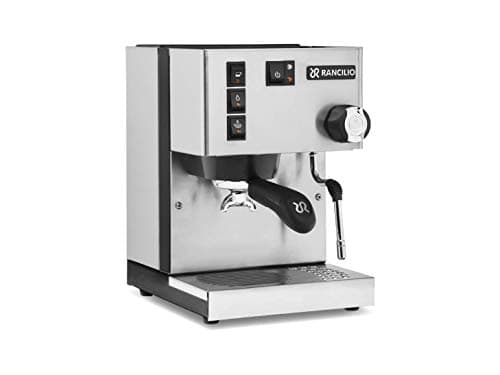
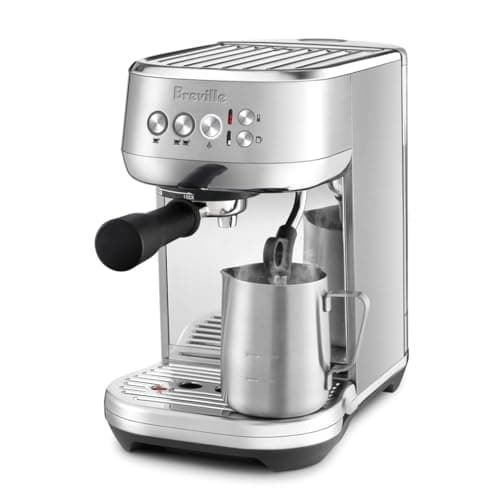
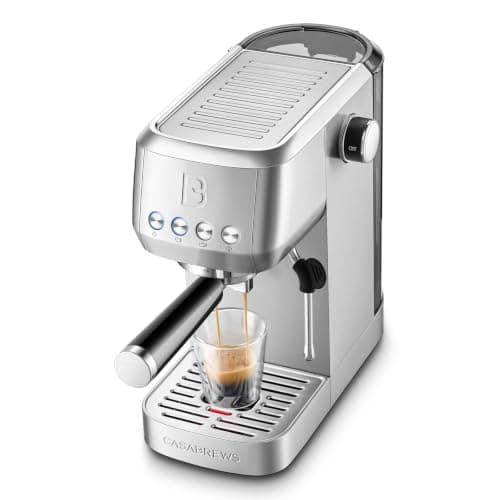
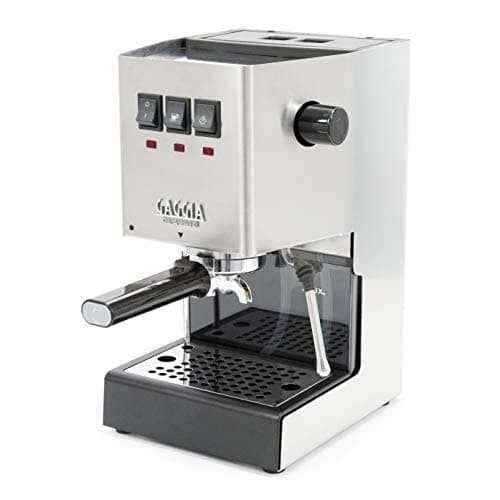
The verdict: the Gaggia Classic Pro is the best single boiler espresso machine for anyone who wants to learn espresso properly and keep the machine for a decade: a real brass boiler, a commercial 58mm portafilter, a 3-way solenoid valve and a modding ecosystem that lets you add PID temperature control later. If milk drinks are the point and you want them this week rather than next spring, the Breville Bambino Plus is the one to buy — it is not a boiler machine, and that is explained below. The budget pick is the CASABREWS 3700, the cheapest machine here with a genuine steam wand rather than a frothing sleeve.
"Single boiler" describes an architecture, not a price bracket. One heating element serves both the brew water and the steam, which means the machine can do one or the other but never both at once: you pull the shot at roughly 200°F, then the heater climbs to around 250°F to make steam, then it has to come back down before the next shot. That sequence is the whole character of these machines, and it is why a single boiler is cheap, compact and slightly inconvenient, while a dual boiler costs several times as much and does both simultaneously.
Now the distinction almost every "best single boiler" list skips. Two of the machines here have an actual boiler — a brass vessel holding water, heated as a mass. Three have a thermoblock or, in Breville's case, a ThermoJet: a heated metal block or printed circuit that water flows through on its way to the group, with almost no stored water at all. Both are single-heater designs and both brew then steam in sequence, so both get called single boiler in marketing copy. They do not behave the same. A boiler has thermal mass, which means it holds temperature through a shot and recovers slowly; a thermoblock has almost none, which means it heats in seconds and its temperature depends on flow rate moment to moment.
So the ranking goes: thermal stability through the shot first, steam capability second, repairability third, convenience fourth. That order puts the two boiler machines on top and a faster, easier, more modern machine third — which is a judgment, not a measurement, and worth arguing with. If your mornings are one latte and you are not interested in learning temperature surfing, invert the first and fourth criteria and buy the Bambino Plus. We think that is a legitimate choice and we say so in its entry.
Boiler or thermoblock? The question this page exists to answer
Both architectures put one heater in front of two jobs, and both get sold as "single boiler." They work differently and the difference is worth understanding before you spend.
A boiler stores heat; a thermoblock makes it on demand
A boiler is a brass vessel holding water, heated as a mass. It takes minutes to come up and it holds temperature through a shot, because there is a reservoir of hot metal and hot water buffering the extraction. A thermoblock is a heated block, or in Breville's ThermoJet a printed heating circuit, that water passes through on its way to the group. It is ready in seconds, it uses less power, and its output temperature depends on how fast water is moving through it — which is why thermoblock machines are more sensitive to a long shot or a very fine grind than boiler machines are.
Which one you should want depends on your morning
If you pull one or two drinks and leave, a thermoblock is genuinely the better engineering for you: no warm-up, no standby power, no waiting. If you pull a shot, steam milk, then pull another — or if you want to chase consistency shot to shot — the boiler's thermal mass is what you are buying, and it is why the two machines at the top of this page cost what they do. Neither is a trick. Marketing is only dishonest when it calls the second one a boiler.
Only a boiler machine can take a PID
This is the practical consequence most buyers miss. A single boiler without temperature control drifts, and the traditional workaround is temperature surfing: watching the heating light and timing your shot to the cycle. A PID controller replaces that with electronics and turns a fussy machine into a stable one. You can fit one to a Gaggia Classic Pro or a Rancilio Silvia, because both have a thermostat on a vessel. You cannot fit one to a thermoblock machine, because there is no vessel to regulate. If "I will upgrade it later" is part of your plan, that sentence only applies to the top two.
58mm, 54mm or 51mm decides what accessories cost
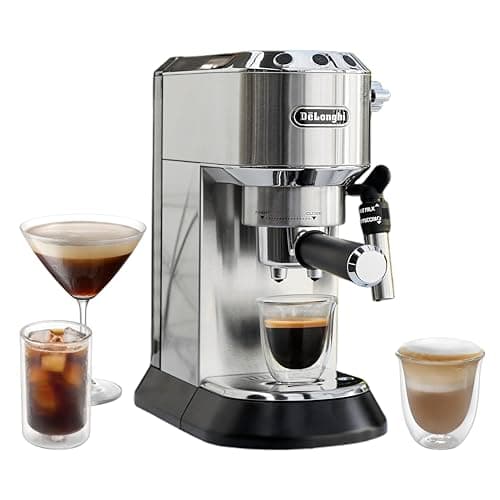
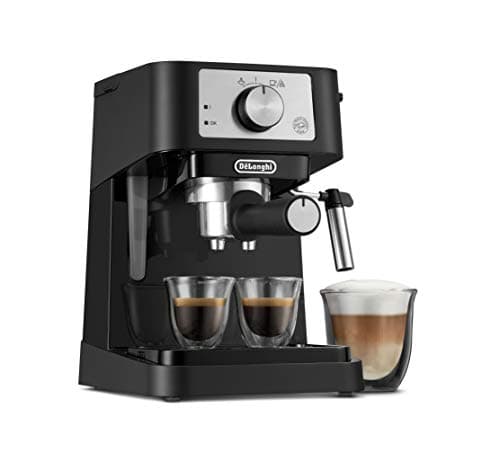
58mm is the commercial standard, so baskets, tampers, bottomless portafilters and puck screens are abundant and cheap — see 58mm espresso accessories. 54mm is Breville's size, well served but proprietary — 54mm espresso accessories. 51mm is De'Longhi's and the thinnest market of the three. This matters more than it sounds: a precision basket and a correctly sized tamper improve a shot measurably, and on 58mm they cost a fraction of what they do elsewhere.
What a single boiler asks of you
Three habits, and they are the real cost of the format. You wait between brewing and steaming, because the heater has to climb to steam temperature and come back down — and crucially you must flush water through the group after steaming, or the next shot is brewed with water that is far too hot. You need a grinder that can be dialed in, because a single boiler with a non-pressurized basket gives you nowhere to hide a bad grind; the honest budget for the top two machines here is the machine plus a grinder from best coffee grinders under $200. And you need a routine, because consistency on these machines comes from doing the same thing in the same order every time — how to pull an espresso shot sets out the sequence.
When to skip the category entirely
Two cases. If what you actually want is a latte at the push of a button with no skill involved, a single boiler is the wrong architecture and a bean-to-cup machine is the right one — best super-automatic espresso machines covers those, and semi vs super automatic frames the fork. And if you make several milk drinks back to back for a household every morning, the waiting will wear you down; that is the case a dual boiler genuinely solves, at several times the price.
How we picked
We did not lab-test this gear
Everyone in this category says they tested twenty machines. We have not lab-tested any of these, and we say so. What we did instead: compiled the published manufacturer specifications, read the manuals, ran the math where there was math to run (heat-up time, pressure, dose capacity, grind range, cost per cup), and scored each pick against a published rubric. The scores are judgments from documented research — not measurements we took, because we do not have a lab and we will not pretend we do. Where a number came from someone else's work, we name them in Sources.